
Back-to-School Coloring Pages Printable
Build printable back-to-school coloring pages for the first week with name pages, classroom themes, folder setup, paper, crayons, washable markers, and display ideas.
 Written byM.R. SilvermanUpdated July 8, 2026 7 min read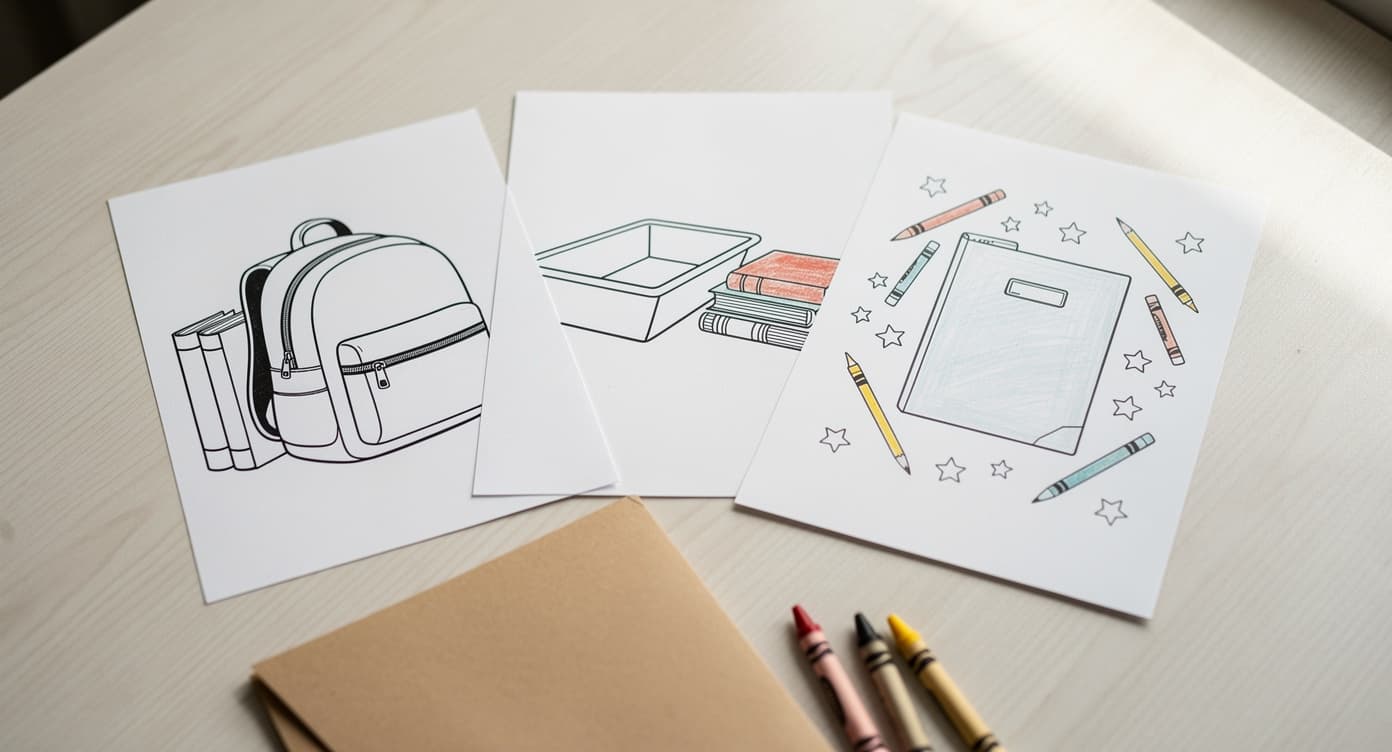
Direct answer
A good back-to-school printable coloring packet has one easy warm-up page, one name or all-about-me page, one classroom routine page, one folder or take-home page, and a few extra copies of the simplest design. Use standard printer paper with crayons first, add washable markers only with backing sheets, and keep the packet generic enough for classroom, homeschool, library, or family use.
Quick takeaways
- Back-to-school coloring pages should reduce first-week friction, not create a complicated craft project.
- Name spots, simple classroom themes, extra copies, and take-home folders make the packet easier to manage.
- Crayons and standard paper are the safest default; washable markers need backing sheets and a reset plan.
- Avoid protected characters and school-logo artwork unless the source clearly allows that use.
Free page to use now
Print the school-day supplies page
Download a bold, low-detail classroom page in Letter or A4 PDF and PNG.
Visual checks
Options to compare
Use these starting points to match the page, paper, and coloring style before you buy anything new.
| Option | Best for | What to know | Compare |
|---|---|---|---|
Standard printer paper Best everyday packet paper | First-week copies, name pages, classroom warm-ups, homeschool packets, and quick activity tables | Use standard paper for crayons and colored pencils; save heavier paper for display or marker-heavy pages. | Compare on Amazon |
Classroom crayon set Best low-mess first-week supply | Kindergarten, elementary classrooms, homeschool groups, and simple morning work | Crayons work on ordinary paper and do not need drying time during a busy first week. | Compare on Amazon |
Washable marker class pack Best bright color option | Large pages, teacher-led tables, library activity days, and older kids who can reset caps | Use washable markers with backing sheets and a cap-check routine instead of promising stain-proof cleanup. | Compare on Amazon |
Pocket folders Best take-home organizer | Keeping finished pages, extra copies, parent notes, and first-week packets together | Folders are more useful when pages have a name spot and a clear take-home or display plan. | Compare on Amazon |
Clipboards Best loose-page helper | Activity stations, hallway work, library tables, and coloring away from desks | A firm surface keeps loose pages from sliding and helps groups color without enough table space. | Compare on Amazon |
Supply caddy Best reset helper | Crayons, washable markers, caps, wipes, backing sheets, labels, and extra pencils | Choose a caddy that adults can reset quickly between groups rather than a large bin that becomes cluttered. | Compare on Amazon |
Removable labels Best folder and display label | Take-home folders, display boards, finished page bins, and no-name page sorting | Removable labels make it easier to adjust names, dates, groups, and classroom stations. | Compare on Amazon |
Sheet protectors Best repeat-use helper | Reusable sample pages, early finisher choices, classroom binders, and parent packet examples | Use sheet protectors for repeated reference pages, not for every disposable coloring sheet. | Compare on Amazon |
Sources and testing notes
This guide compares intended use, paper fit, and practical tradeoffs. It is selection guidance rather than a hands-on product test unless a section says otherwise. Check the merchant page for current materials, set contents, availability, and safety information before buying.
Build a first-week coloring packet
Start small. A useful back-to-school packet usually needs four to six pages, not a giant stack. Include one easy warm-up page, one name or all-about-me page, one classroom routine page, one school supply or pencil page, and one folder or take-home page.
Print extra copies of the easiest design. In classrooms and libraries, several kids may want the same simple pencil, backpack, or name page, and duplicates keep the activity calm.
Keep the themes generic and rights-safe: pencils, crayons, backpacks, buses, books, folders, apples, stars, classroom helpers, kindness prompts, and first-week routines. Avoid protected characters, logos, and copied worksheet art.
Best page types for back-to-school
Name pages are the most useful first. Add a large name spot, a few simple shapes, and enough open space that younger kids can color without a long explanation.
Classroom routine pages help with transitions. Simple pages for lining up, reading time, supply reset, helper jobs, or kindness can become soft reminders without turning the coloring sheet into a rule poster.
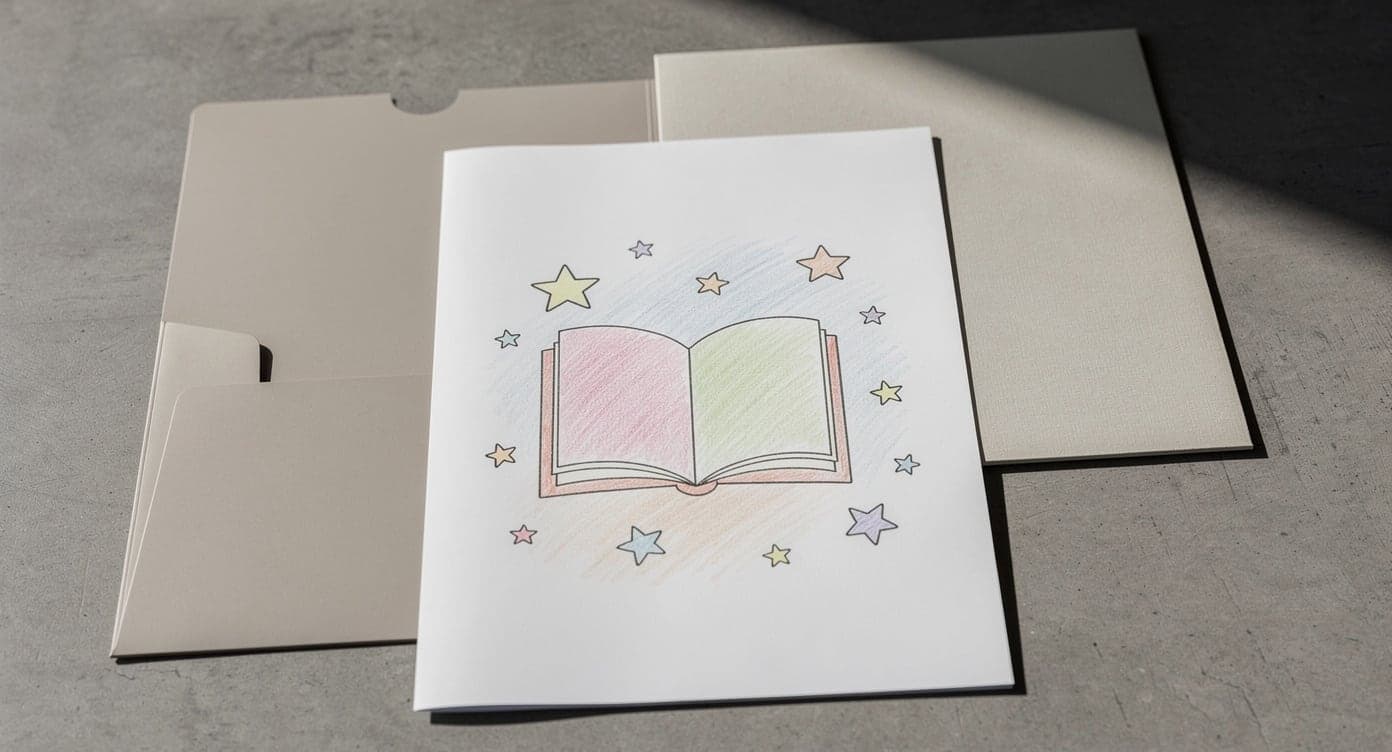
Folder pages are helpful for take-home systems. A cover page, divider page, or finished-page label can keep the first-week paper pile from becoming a mystery stack.
Choose supplies for the first week
Crayons are the safest default for most first-week packets because they work on standard paper, do not need drying time, and are easier to reset in a busy room.
Washable markers are useful when the spaces are large and the group is old enough to manage caps. Put a backing sheet under marker pages and set a cap-check habit before pages leave the table.
Colored pencils work well for older students, early finishers, homeschool packets, and quiet morning work. Keep sharpening simple so the activity does not become a line at the sharpener.
Paper and printing setup
Use standard printer paper for most copies. It is affordable and works well with crayons and colored pencils.
Use heavier paper only for display pages, keepsake pages, or marker-heavy sheets. If every page uses premium paper, the packet becomes harder to batch and replace.
Print one test page before copying a class set. Check that the name spot, margins, and line art are not clipped, and make sure the page still looks clear in grayscale if you are saving ink.
Classroom and homeschool packet ideas
For classrooms, pair one coloring page with a practical job: name tag, folder cover, display label, first-week reflection, table group sign, or supply reset reminder.
For homeschool, use a small back-to-school packet as a gentle routine reset. Include a reading page, subject divider page, calendar page, and favorite-color page.
For libraries or community tables, keep pages non-school-specific: books, pencils, kindness notes, reading goals, and simple coloring bookmarks work beyond one classroom.
Display and take-home planning
Decide before printing whether pages will be displayed, sent home, stored in folders, or recycled after a short activity. That decision changes the paper, labels, and number of copies.
If pages will be displayed, leave a name spot and date line. If pages will go home, use a folder or take-home tray so finished coloring does not scatter across the room.
For group display, avoid ranking the pages. A simple class wall, folder divider, or rotating display gives every child a place without making the page feel like a contest.
Rights and reuse checks
Use original pages or pages with clear personal, classroom, homeschool, or library-use permission. Free to print does not always mean free to repost, bundle, sell, or upload elsewhere.
Avoid cartoon characters, brand mascots, school logos, sports logos, and copied worksheet art unless the source clearly has the right to publish and share that design.
If you adapt pages for a classroom packet, keep the source notes and terms with your planning files. This is especially useful when another teacher, parent, or volunteer asks where the page came from.
Printable resource
Printable classroom coloring calendar pages
Plan monthly classroom coloring pages with themes, supplies, display timing, and take-home folder decisions.
Classroom coloring supply checklist
Build a classroom, homeschool, daycare, or library coloring table kit with supplies that are easy to reset.
Kids coloring activity folder guide
Set up a reusable kids coloring folder for rainy days, travel, homeschool, classrooms, and library activity tables.
Beginner color palette cards
Print small palette cards for mandalas, flower pages, cozy scenes, kids tables, and seasonal printables.
Holiday coloring pages printable calendar
Plan monthly holiday coloring pages for classrooms, libraries, homeschool groups, and adult printable folders.
Printable coloring page rights checklist
Check source permissions before printing, sharing, bundling, or linking to printable coloring pages.
Coloring page printer settings checklist
Choose scale, margin, grayscale, quality, paper type, and test print settings before batching pages.
Coloring page printing cost checklist
Estimate paper, ink, test print, and batch printing costs before printing coloring page packs.
Printable coloring page folder organization
Organize printable coloring pages by age, theme, season, source rights, paper type, and reprint priority.
Classroom finished coloring page display labels
Make classroom display labels for finished coloring pages with student names, dates, group labels, return timing, and source notes.
Classroom coloring page display return slip
Make classroom coloring page display return slips with return dates, parent notes, student names, take-home folders, and source notes.
Coloring page display permission note template
Make display permission notes for finished coloring pages with classroom wording, public hallway notes, source notes, parent communication, display windows, and take-home timing.
Finished coloring page take-home folder
Set up take-home folders for finished coloring pages with classroom timing, library pickup folders, student labels, drying pages, and storage before pickup.
Finished coloring page display and storage
Decide whether finished pages should be displayed, stored flat, scanned, gifted, reused, or recycled.
Coloring page display wall ideas
Display finished coloring pages with clipboards, frames, magnetic boards, rails, seasonal rotations, and no-damage wall options.
Washable marker cleanup checklist
Use this parent and teacher checklist before washable marker coloring activities.
Marker bleed-through test sheet
Use this printable swatch sheet before coloring a full page with markers.
Coloring paper weight cheat sheet
Compare paper types before printing adult pages, kids pages, or marker-heavy designs.
FAQ
What should be in a back-to-school coloring packet?
Use one warm-up page, one name or all-about-me page, one classroom routine page, one school supply or folder page, and extra copies of the easiest design.
Are back-to-school coloring pages good for the first day?
Yes, if the pages are simple, quick to explain, and easy to reset. They work best as arrival work, quiet transitions, folder covers, or display starters.
What paper should I use for classroom coloring pages?
Standard printer paper works for crayons and colored pencils. Use heavier paper for marker-heavy pages, keepsakes, or pages that will be displayed.
Should kids use crayons or washable markers for first-week coloring?
Crayons are the safest default for busy first-week activities. Washable markers can work for large spaces, but they need backing sheets, cap checks, and cleanup planning.
Can I use free printable pages in a classroom?
Only when the source allows classroom, homeschool, or library activity use. Do not repost, sell, bundle, or upload the pages unless the creator clearly permits it.
How many back-to-school coloring pages should I print?
For a class or group, print four to six page types with extra copies of the simplest page. A short, repeatable packet is easier to manage than a large random stack.
What themes work best for back-to-school coloring pages?
Pencils, crayons, backpacks, buses, books, folders, apples, stars, name pages, kindness prompts, classroom helpers, and reading themes are practical and broadly usable.