
Best Paper for Printable Coloring Pages
Choose the best paper for printable coloring pages by printer limits, paper weight, coloring tool, marker bleed risk, display plans, and cost.
 Written byM.R. SilvermanUpdated July 6, 2026 7 min read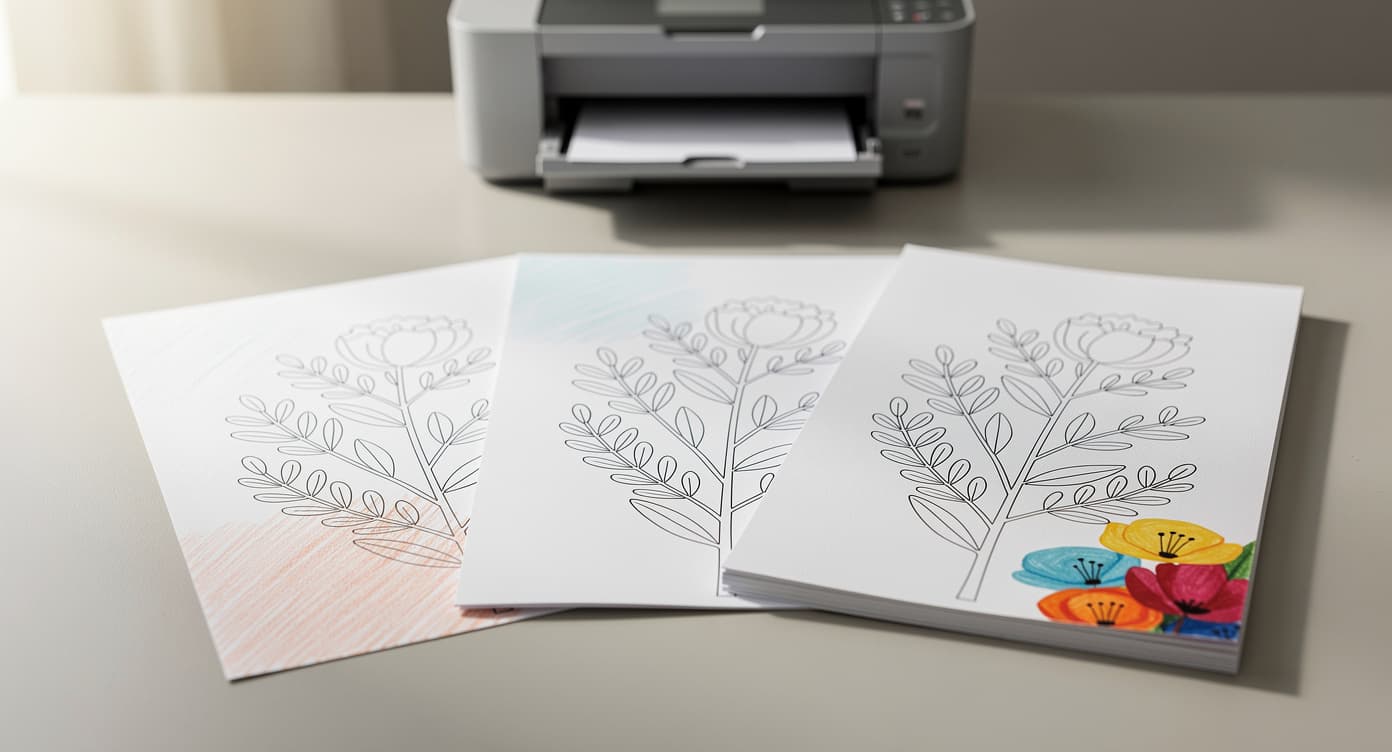
Direct answer
The best paper for printable coloring pages depends on what you use to color. Regular printer paper is fine for quick crayon and colored pencil pages. Heavyweight printer paper is a better everyday upgrade. Smooth cardstock is the safer choice for marker-heavy pages, display pages, cards, and gifts if your printer can feed it. Use a backing sheet and test one page before printing a full pack.
Quick takeaways
- Match the paper to the coloring tool before comparing price or page count.
- Use regular printer paper for low-cost pages, heavyweight paper for nicer pencil pages, and smooth cardstock for marker-heavy or display pages.
- Always check your printer limit and run one test print before buying thick cardstock or marker paper in bulk.
Visual checks
Options to compare
Use these starting points to match the page, paper, and coloring style before you buy anything new.
| Option | Best for | What to know | Compare |
|---|---|---|---|
Standard printer paper Budget batch option | Kids pages, classroom packets, crayons, light pencil pages, and test prints | Use it when cost matters more than finished-page feel, then upgrade only the pages that need to be saved. | Compare on Amazon |
Heavyweight printer paper Best upgrade from copy paper | Adult printables, colored pencils, gel pens, light marker use, and pages with more detail | Look for a smooth sheet that still feeds through your printer without curling or jamming. | Compare on Amazon |
Smooth cardstock Display-page option | Markers, gifts, and pages meant to be saved | Choose cardstock only after checking your printer specs, then test one dark design before printing a pack. | Compare on Amazon |
Printer-friendly marker paper Marker-specific option | Alcohol markers, swatches, blending practice, and single-sided printable pages | Confirm the paper is safe for your printer; some marker pads are meant for drawing only. | Compare on Amazon |
Marker bleed sheet Reusable protection | Bound books, thin pages, and marker testing | Useful even when you already use heavier printable paper. | Compare on Amazon |
Printable page folder or sleeves Storage helper | Finished pages, seasonal packs, classroom sets, and paper samples | Use simple folders or sleeves to separate copy paper, heavyweight paper, cardstock, and pages ready to display. | Compare on Amazon |
Sources and testing notes
This guide compares intended use, paper fit, and practical tradeoffs. It is selection guidance rather than a hands-on product test unless a section says otherwise. Check the merchant page for current materials, set contents, availability, and safety information before buying.
Quick paper picks by coloring tool
Printable pages are flexible because you can choose the paper before coloring. That is the main advantage over many bound coloring books, where the paper is already decided.
Crayons and colored pencils work well on regular printer paper for casual use. If the page has large backgrounds, adult detail, or stronger pencil pressure, heavyweight printer paper feels sturdier and takes layering better.
Washable markers need more caution because thin paper can wrinkle when kids color heavily. Alcohol markers are the riskiest tool for ordinary printable paper because wet ink can bleed or shadow through quickly.
Paper weight without overbuying
A simple rule works for most readers: use standard printer paper for quick pages, heavyweight printer paper for nicer pencil pages, and smooth cardstock for marker-heavy or display pages.
Very thick cardstock can jam some home printers. Before buying a large pack, check the printer manual, the rear-feed or front-feed limits, and whether your printer handles the sheet size you plan to use.
Smooth paper is usually easier for markers and cleaner pencil fills. Paper with more tooth can hold pencil layers nicely, but it can make marker strokes look less even.
Best paper by printable project
For everyday kids pages, standard printer paper keeps costs low and makes it easy to print multiple copies. Pair it with crayons, washable markers, or colored pencils.
For adult relaxation pages, heavyweight printer paper can make coloring feel calmer because the sheet is less flimsy and handles more pencil pressure.
For bookmarks, cards, gift tags, framed pages, or finished pages you want to keep, smooth cardstock is usually worth testing because the finished sheet feels more substantial.
Marker and alcohol-marker caveats
For washable markers, use heavyweight paper or cardstock when the page has big open areas. A backing sheet helps protect the table and gives you a quick warning if the marker is soaking through.
For alcohol markers, treat regular printer paper as a test surface, not a final-page surface. Use smooth cardstock, printer-friendly marker paper, or a single-sided page setup with a backing sheet.
For mixed media, choose the paper for the wettest tool. A page that works for colored pencils may still be too thin for repeated marker layers.
How to avoid wasted ink, paper, and time
Print one test page before printing a full pack. Check line darkness, page scale, and whether the design is centered correctly.
Use draft mode for simple kids pages when line quality still looks clean. Use a higher quality setting for detailed adult pages or pages meant to be framed.
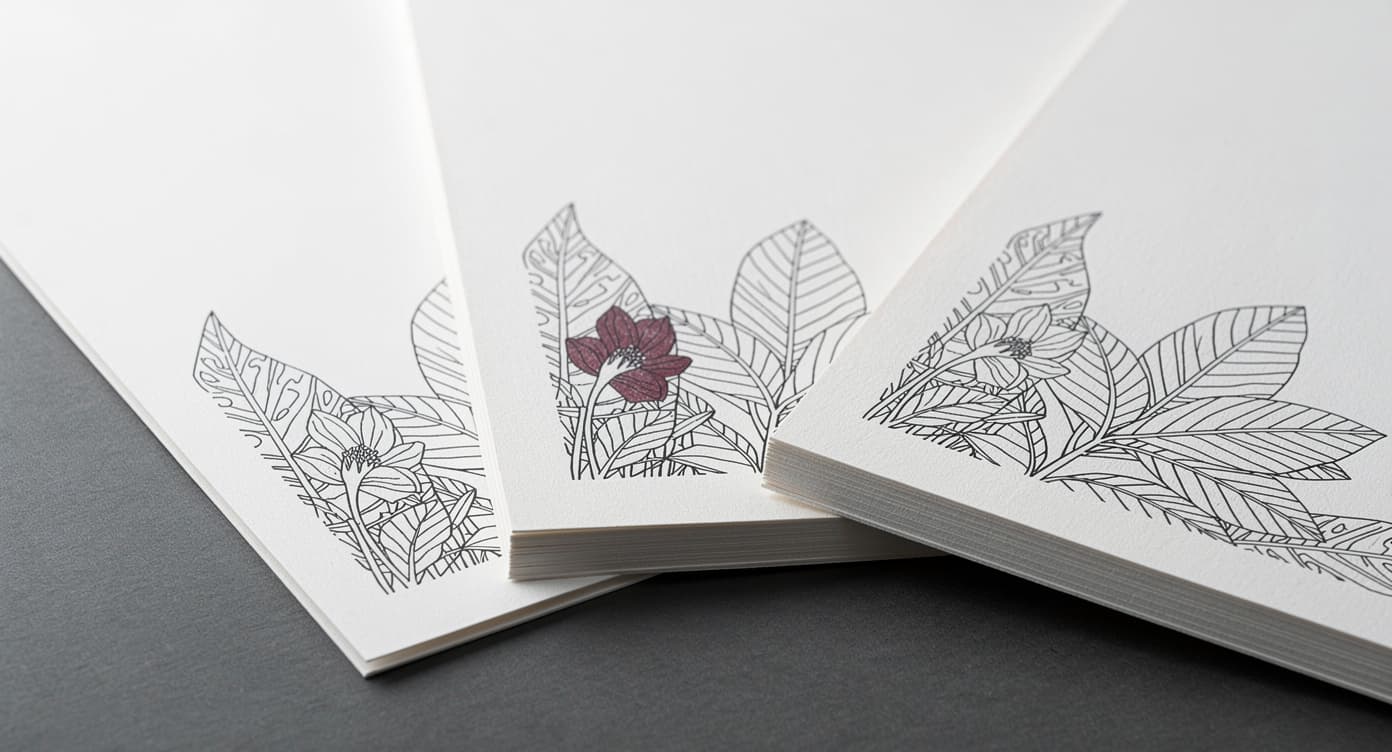
Keep a small sample stack: one copy paper page, one heavyweight page, and one cardstock page. Testing the same design on each sheet makes future choices easier.
What to buy first
If you are starting from zero, buy one everyday paper pack and one heavier upgrade pack instead of several specialty papers. That gives you a practical comparison without overspending.
Add cardstock only when you know your printer can handle it and you have a clear use for the finished page, such as cards, gifts, display pages, or marker-heavy printables.
Add marker paper only when alcohol markers or blending practice are the main use. For most printable coloring pages, heavyweight printer paper and smooth cardstock cover more everyday situations.
Printable resource
Marker bleed-through test sheet
Use this printable swatch sheet before coloring a full page with markers.
Coloring paper weight cheat sheet
Compare paper types before printing adult pages, kids pages, or marker-heavy designs.
Coloring page printer settings checklist
Choose scale, margin, grayscale, quality, paper type, and test print settings before batching pages.
Printable coloring page folder organization
Organize printable coloring pages by age, theme, season, source rights, paper type, and reprint priority.
FAQ
Can I print coloring pages on regular printer paper?
Yes. Regular printer paper works well for crayons and colored pencils. For markers, use a backing sheet or choose heavier paper.
Is cardstock better for coloring pages?
Cardstock is better for marker-heavy pages, display pages, and finished art, but it may not work with every home printer.
What paper is best for alcohol markers?
Alcohol markers work best on marker-friendly paper or smooth cardstock with a protective sheet behind the page.
What weight paper is best for printable coloring pages?
Regular printer paper is fine for quick pages. Heavier printer paper is a good everyday upgrade for pencils and crayons. Smooth cardstock is better for marker-heavy pages, display pages, cards, and gifts if your printer can handle it.
Should I use matte or glossy paper for coloring pages?
Matte or smooth uncoated paper is usually easier for coloring pages. Glossy paper can resist pencil layers, smear with some pens, and make marker behavior less predictable.
How do I know if my printer can handle cardstock?
Check the printer manual for supported paper weight and feed path, then print one test sheet before loading a full stack. If the sheet curls, jams, or prints unevenly, use a lighter paper.