
Washable Markers for Clothes
Choose washable markers and cleanup supplies with realistic clothing, table, paper, and laundry habits that reduce stain risk without stain-proof promises.
 Written byM.R. SilvermanUpdated July 3, 2026 6 min read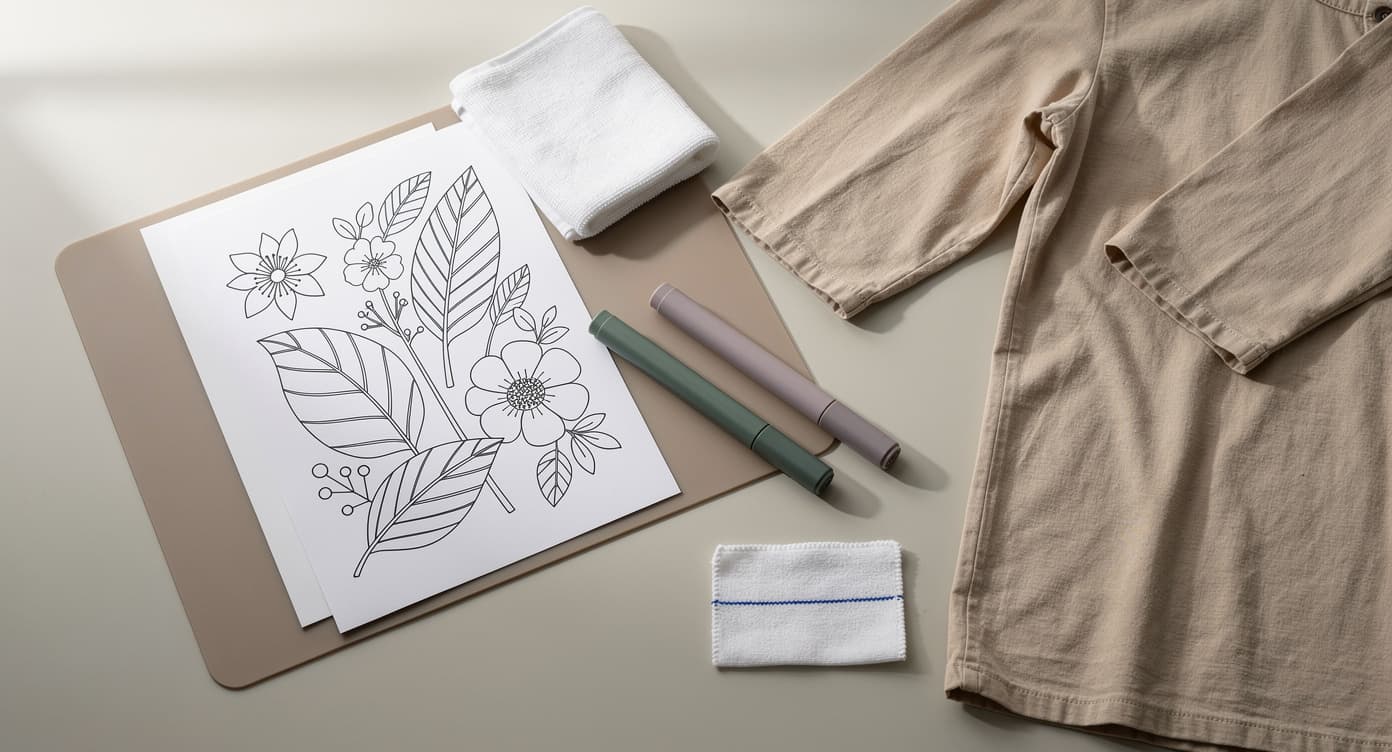
Direct answer
Parents often search for washable markers that do not stain clothes, but no washable marker can be guaranteed on every fabric. The lower-mess choice is an age-appropriate washable marker used with a smock, protected table, backing sheet, quick cleanup, and laundry care before heat-drying. Look for clearly washable kids markers, avoid permanent or alcohol markers for children’s coloring pages, and follow both the marker maker and garment care instructions.
Quick takeaways
- “Washable” means easier to clean, not stain-proof on every fabric or surface.
- Setup prevents more mess than cleanup: smock, backing sheet, wipeable table cover, and only a few open colors.
- Treat clothing marks before heat-drying and follow the product and garment care instructions.
Visual checks
Options to compare
Use these starting points to match the page, paper, and coloring style before you buy anything new.
| Option | Best for | What to know | Compare |
|---|---|---|---|
Ultra-washable kids marker set Best everyday coloring-page choice | Home coloring pages, preschool activities, and parent-supervised craft time | Choose washable kids markers and avoid permanent, alcohol, or office markers for children’s coloring pages. | Compare on Amazon |
Toddler washable marker set Best younger-child option | Large pages, chunky grip needs, short sessions, and supervised toddler coloring | Check package age guidance and supervise caps, sleeves, and cleanup. | Compare on Amazon |
Mess-free marker and paper set Best paper-only low-mess alternative | Travel, restaurants, waiting rooms, and homes where clothing stains are the top concern | These sets usually require special paper, so check refill costs and age guidance. | Compare on Amazon |
Washable art smock Best clothing protection | Toddlers, preschoolers, daycare tables, and kids who color near sleeves | A smock reduces risk but does not make clothing stain-proof. | Compare on Amazon |
Wipeable craft mat Best table protection | Kitchen tables, preschool activities, marker testing, and quick cleanup | Choose a mat that is large enough for the page, markers, and a resting hand. | Compare on Amazon |
Heavy printer paper Best page upgrade | Marker-heavy kids printables and pages that wrinkle on thin paper | Use scrap paper underneath even when the page itself is heavier. | Compare on Amazon |
Laundry stain remover Best cleanup backup | Treating washable marker marks before laundering and before heat-drying | Follow the garment care label and cleaner instructions; test delicate fabrics carefully. | Compare on Amazon |
Sources and testing notes
This guide compares intended use, paper fit, and practical tradeoffs. It is selection guidance rather than a hands-on product test unless a section says otherwise. Check the merchant page for current materials, set contents, availability, and safety information before buying.
Start with the honest answer
Parents often search for washable markers that do not stain clothes because one messy art session can turn into laundry work. The honest answer is that washable markers are easier to clean than many regular markers, but they are not guaranteed on every fabric.
Fabric type, ink amount, how long the mark sits, water temperature, laundry routine, and heat-drying can all change the result.
The best strategy is to choose washable kids markers and set up the activity so clothing and furniture are less exposed in the first place.
What washable really means
Washable marker ink is designed to clean more easily from common surfaces and fabrics than permanent or specialty marker ink. It does not mean the marker is safe for every surface, every garment, or unsupervised use.
Avoid permanent markers, alcohol markers, office markers, dry-erase markers, and novelty inks for young kids coloring pages. They are not built around the same cleanup expectations.
For children, choose markers with clear age guidance and art-material labeling, then use them as directed. Nontoxic does not mean stain-proof or suitable for chewing, face painting, or clothing decoration.
Setup that prevents most cleanup problems
Use a washable smock or old shirt, roll up sleeves, protect the table, and place scrap paper behind the coloring page before opening markers.
Open only a few colors at a time. Fewer open markers means fewer caps, fewer accidental sleeve marks, and an easier reset when attention shifts.
Keep wipes or a damp cloth nearby, but avoid scrubbing every mark into fabric or paper. Blot and follow the marker maker guidance when a clothing mark happens.
Clothing marks: what to do first
Check the marker package and garment care label first. Treat clothing marks as soon as practical, and do not heat-dry the garment until you have checked whether the mark is gone.
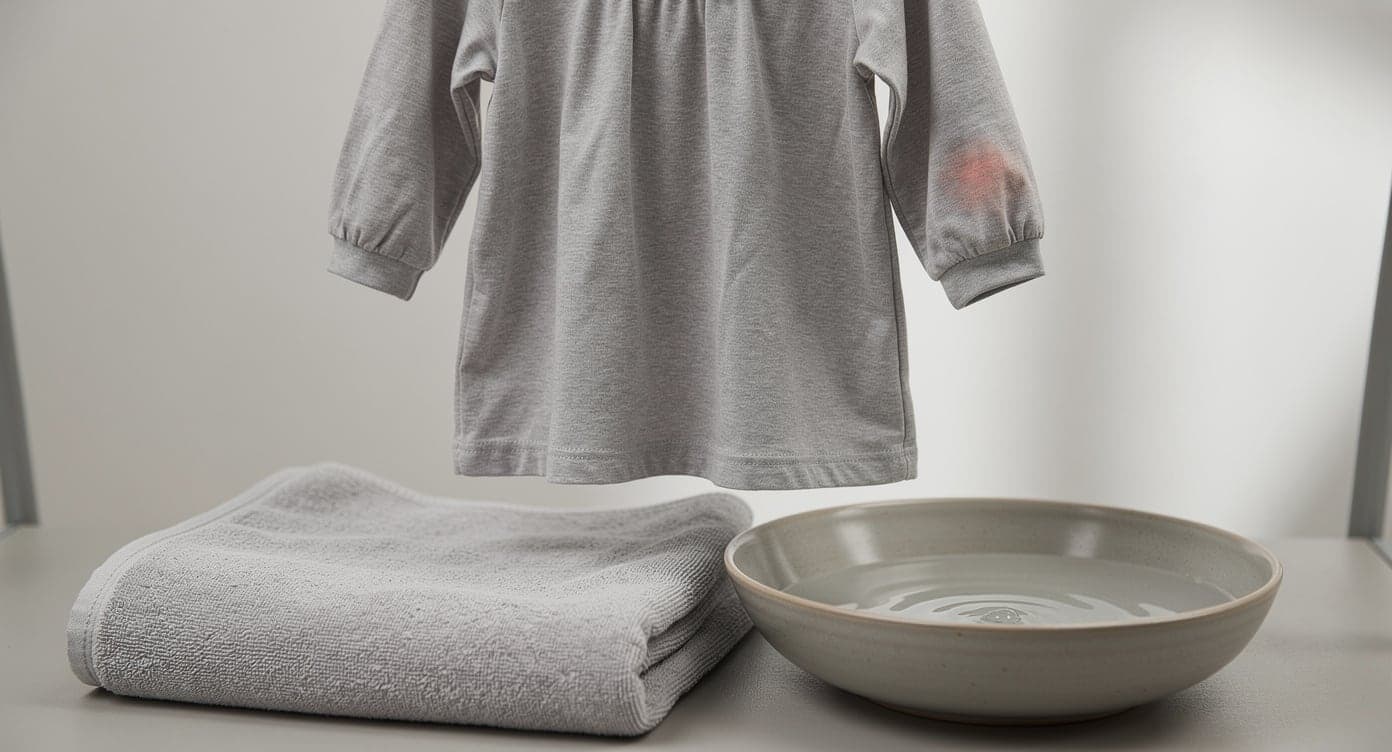
When the fabric allows it, rinse from the back of the mark so ink moves out instead of deeper through the fabric. Wash with detergent using the warmest cycle allowed by the garment label or the marker maker directions.
Air-dry and inspect before repeating. Avoid chlorine bleach unless both the garment and cleaning product labels allow it.
Delicate fabrics, dry-clean-only items, wool, silk, special finishes, and sentimental clothing need extra caution and may be better handled by a professional cleaner.
If a favorite shirt matters, use a smock before coloring instead of depending on stain removal later. Prevention is more reliable than rescue.
Choose markers by child age and page type
Toddlers and preschoolers usually do best with broad-tip washable markers, fewer colors, and large simple pages. Older kids can use fine-tip washable markers for smaller details.
Mess-free marker systems can reduce clothing and wall marks because they work on special paper, but they are less flexible than regular washable markers and require the matching paper.
For printable pages, heavier paper and a backing sheet reduce bleed-through and wrinkling. The paper setup matters almost as much as the marker set.
Home, classroom, and daycare habits
At home, keep a small marker kit with a smock, backing sheets, and a folder of simple pages. A small kit is easier to supervise than a large bin.
For classrooms or daycare, use table caddies and count markers before and after the activity. Keep marker storage separate from permanent pens and office supplies.
For group activities, put finished marker pages in a drying area before stacking them or sending them home. Wet marker pages can transfer color to other paper or sleeves.
When crayons or colored pencils are better
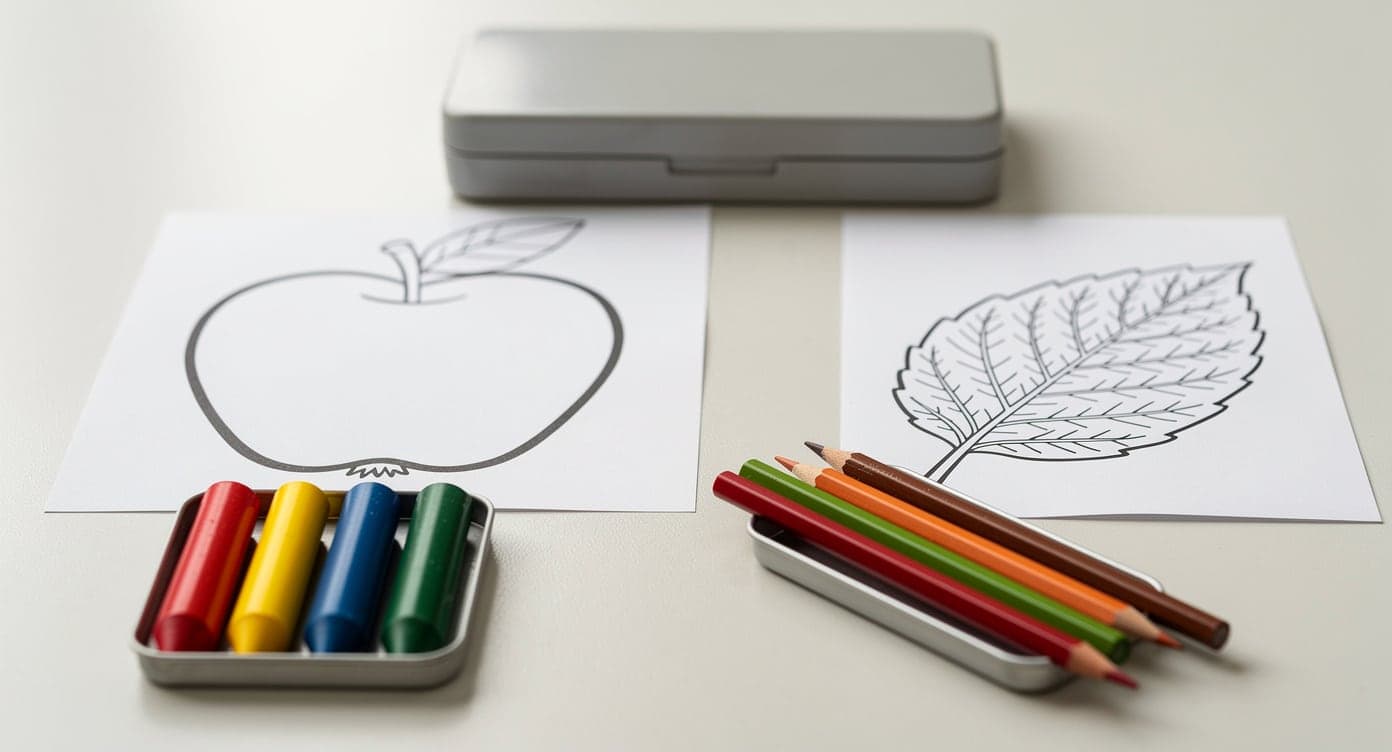
If clothing stains are the main worry, crayons may be easier for very young children because they are less wet and do not need caps.
Colored pencils work better for older kids who color smaller spaces and can manage a pencil point. They are also easier on thin paper.
Markers are best when bright color and fast fills matter, and when an adult can supervise setup, cleanup, and storage.
Printable resource
Washable marker cleanup checklist
Use this parent and teacher checklist before washable marker coloring activities.
Toddler marker setup checklist
Use this quick setup checklist before toddler marker activities at home, daycare, preschool, or library tables.
Marker bleed-through test sheet
Use this printable swatch sheet before coloring a full page with markers.
Coloring paper weight cheat sheet
Compare paper types before printing adult pages, kids pages, or marker-heavy designs.
FAQ
Are there washable markers that do not stain clothes?
Some washable markers clean more easily than regular markers, but no marker is guaranteed not to stain every fabric. Use a smock and treat marks before heat-drying.
Do washable markers come out of clothes?
Often they are easier to remove, but results depend on the marker, fabric, time, and laundry method. Follow the marker maker and garment care instructions.
What markers are best if I am worried about clothing stains?
Choose washable kids markers, consider mess-free marker systems for travel, and avoid permanent, alcohol, dry-erase, or office markers for kids coloring pages.
What is the difference between washable and mess-free markers?
Washable markers are designed to clean more easily from many washable surfaces and fabrics. Mess-free marker systems usually work only on special paper, which can reduce clothing and wall marks.
Should I wash marker-stained clothes in hot water?
Follow the garment care label and product instructions. Avoid heat-drying until the mark is gone because heat can set some stains.
Are washable markers safe on skin?
Use markers as directed for coloring pages, not as face paint or skin decoration. Wash skin promptly and choose age-appropriate supplies.
Are mess-free markers better for toddlers?
They can be better when low mess is the priority, but they usually require special paper and still need age-appropriate use and supervision.
How do I prevent marker stains during classroom coloring?
Use washable markers, table covers, backing sheets, smocks when practical, limited open colors, clear storage, and a drying area for finished pages.