
Printable Coloring Pages for Preschoolers
Choose printable coloring pages for preschoolers by age fit, bold outlines, page themes, crayons, washable markers, paper, classroom packets, and cleanup.
 Written byM.R. SilvermanUpdated July 6, 2026 7 min read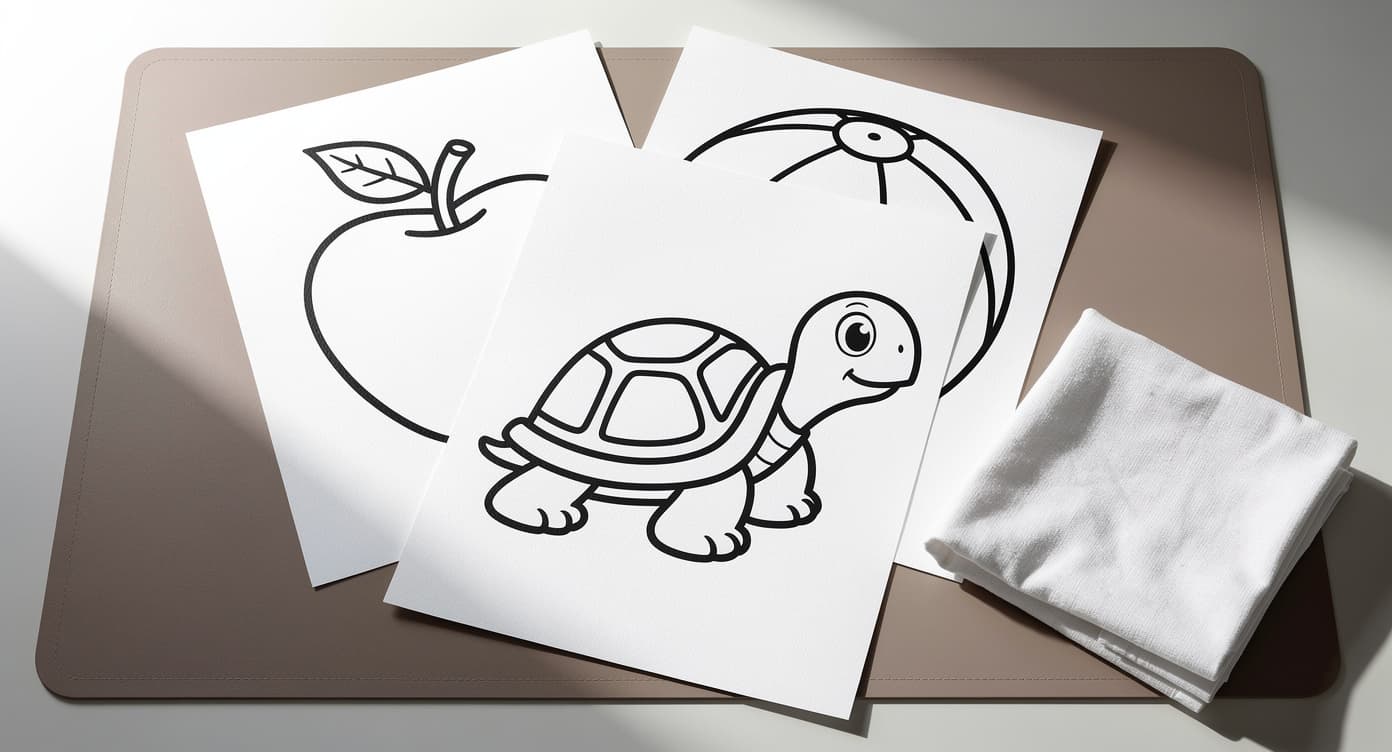
Direct answer
The best printable coloring pages for preschoolers have one clear subject, bold outlines, large coloring spaces, and familiar themes such as animals, fruit, vehicles, letters, shapes, weather, and simple seasonal pages. Print a small 3 to 5 page pack, make extra copies of the popular designs, and pair the pages with crayons or age-labeled washable markers plus a simple cleanup plan.
Quick takeaways
- Preschool coloring pages should be simple enough to start without a long explanation.
- Large shapes, bold lines, and familiar subjects work better than detailed scenes.
- A small packet with duplicate pages works better for classrooms and daycare tables than a giant random stack.
- Crayons, age-labeled washable markers, standard paper, a backing sheet, and a reset spot cover most preschool setups.
Visual checks
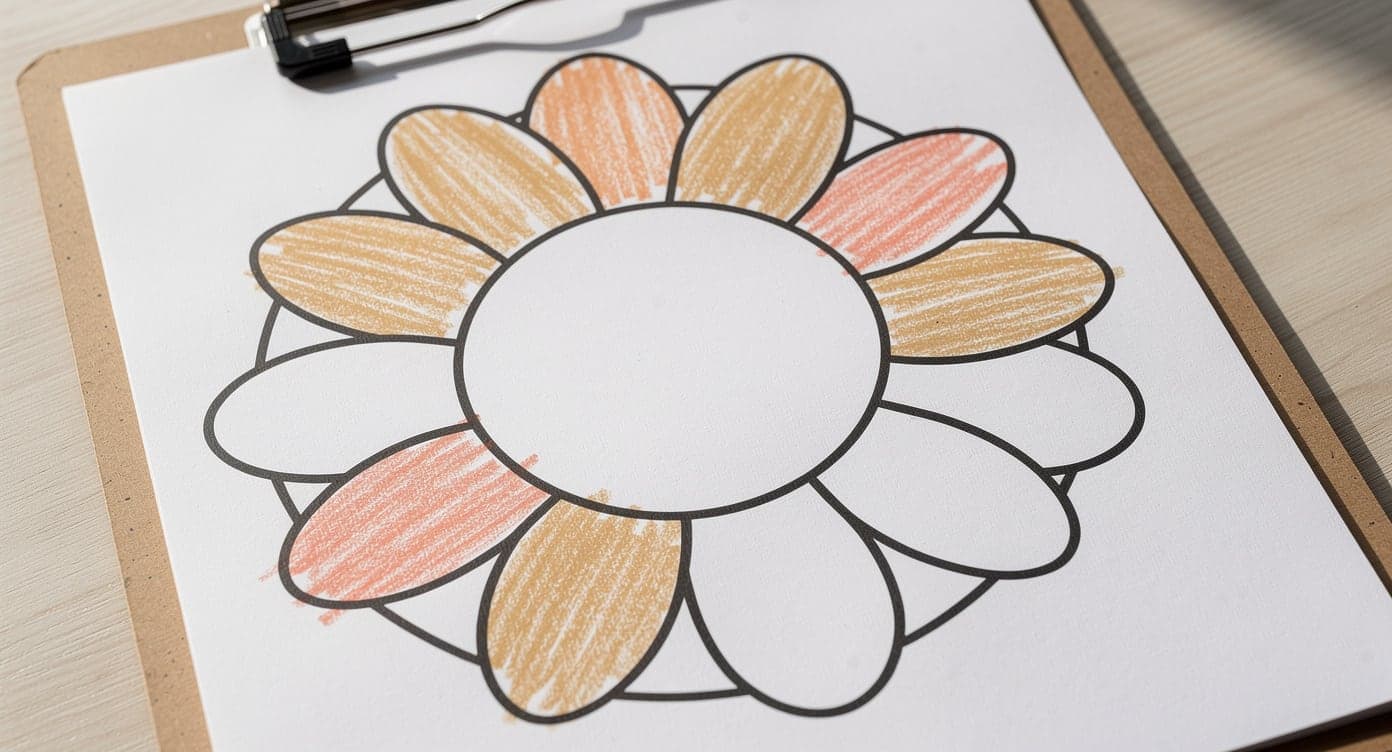
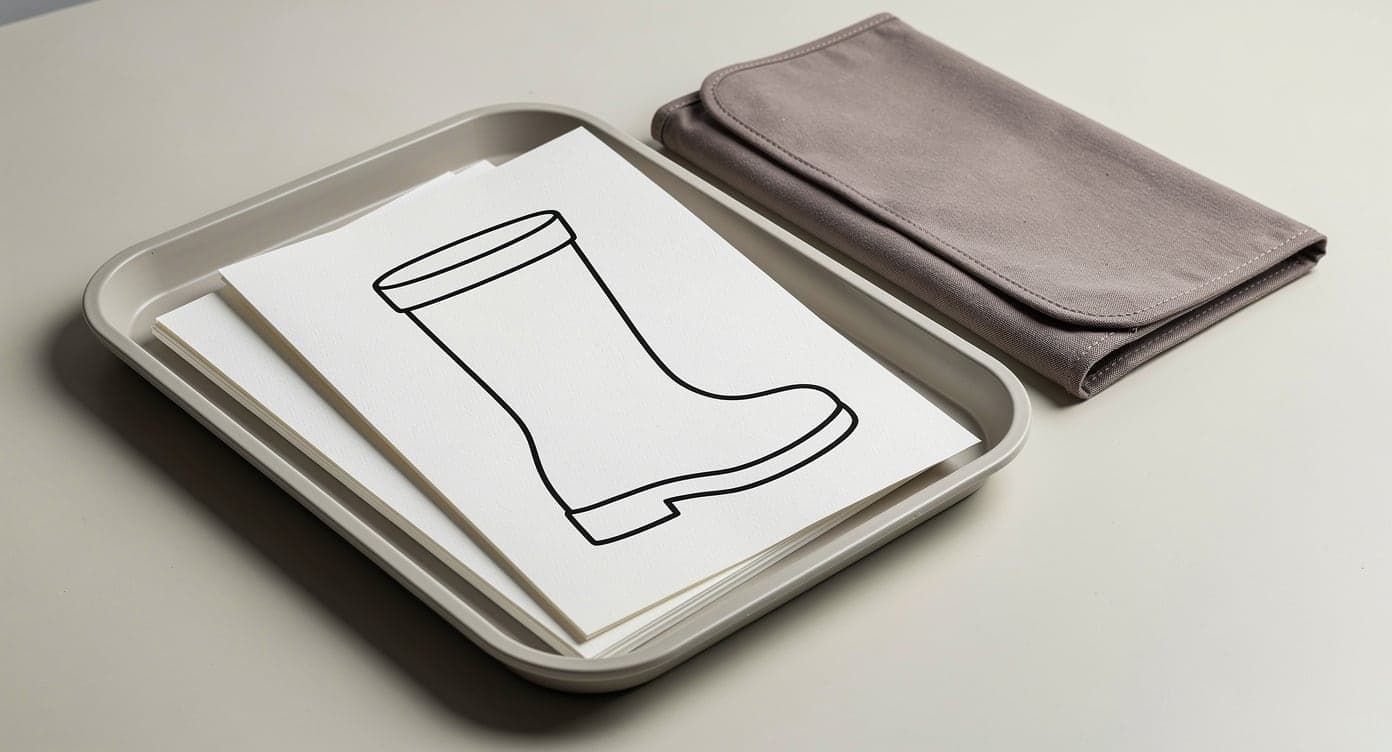
Options to compare
Use these starting points to match the page, paper, and coloring style before you buy anything new.
| Option | Best for | What to know | Compare |
|---|---|---|---|
Broad-tip washable markers Best bright color option | Preschool coloring pages, large shapes, classroom tables, and quick activities | Choose age-labeled washable markers and supervise caps with younger children. | Compare on Amazon |
Jumbo crayons Best low-mess supply | Large shapes, first coloring pages, and simple home activities | Crayons are less wet than markers and work well on standard printer paper. | Compare on Amazon |
Standard printer paper Best everyday printable paper | Daily pages, classroom copies, daycare packets, and quick activities | Use heavier paper only for marker-heavy pages or keepsake projects. | Compare on Amazon |
Clipboard or lap board Best activity table helper | Loose printables, library programs, travel, and classroom centers | A firm surface keeps loose pages from sliding around. | Compare on Amazon |
Washable table mat Best cleanup helper | Preschool marker activities, daycare tables, and shared craft spaces | A reusable mat can be easier than cleaning the whole table after every page. | Compare on Amazon |
Preschool coloring book Best backup activity | Parents or teachers who want simple pages ready when printing is not convenient | Look for bold outlines, familiar themes, and pages that do not crowd tiny details. | Compare on Amazon |
Kids art smock Best clothing protection | Marker days, daycare rooms, library programs, and messy table activities | A simple washable smock is useful when children color with markers or paint nearby. | Compare on Amazon |
Small supply caddy Best table reset helper | Keeping crayons, washable markers, caps, wipes, and backing sheets together | Choose a small caddy that is easy for adults to reset between short activities. | Compare on Amazon |
Sources and testing notes
This guide compares intended use, paper fit, and practical tradeoffs. It is selection guidance rather than a hands-on product test unless a section says otherwise. Check the merchant page for current materials, set contents, availability, and safety information before buying.
What makes a preschool page work
A preschool coloring page should have one clear main subject and enough open space for loose coloring. The goal is an activity that feels easy to start, not a detailed art project.
Bold outlines help the page read quickly. Large shapes help kids use crayons or washable markers without needing tiny hand movements for every space.
Familiar subjects are best: pets, zoo animals, fruit, trucks, stars, hearts, simple letters, weather, and seasonal shapes. A page that matches what the child already recognizes usually needs less setup from an adult.
Build a simple preschool page packet
Start with three to five designs: one animal or vehicle, one letter or shape, one weather or season page, one simple food or flower page, and one open-ended prompt if the group likes drawing extra details.
Print extra copies of the easiest design. Preschool groups often settle on the same animal, truck, or letter page, and duplicates prevent the activity from becoming a negotiation.
Keep the packet small enough to reset. A short stack with clear choices is more useful than a large folder where adults have to sort pages while children are waiting.
Best themes by activity type
For home and rainy-day activities, choose animals, vehicles, food, simple flowers, houses, and one-object pages. These work well when you need a quick printable without a lesson plan.
For preschool or daycare groups, choose pages that match the week: letters, shapes, colors, community helpers, weather, seasons, farm animals, ocean animals, or simple holiday pages.
For library programs and activity tables, print a mix of two or three themes. Offering a few choices helps without creating a large pile of pages that nobody finishes.
Match detail level to age and skill
Younger preschoolers usually need one large subject, thick outlines, and very little background detail. Staying inside the lines is not the main goal; the page should invite a first mark.
Older preschoolers can handle simple scenes, alphabet pages, shape pages, color-by-number pages with a very short key, and seasonal pages with a few repeated objects.
Avoid tiny patterns, thin decorative borders, crowded mandalas, and pages where the main subject is hard to name. Those pages can be saved for older kids or family coloring time.
Paper, crayons, and washable markers
Standard printer paper is fine for most preschool coloring pages, especially with crayons or colored pencils. It keeps the activity affordable when printing multiple copies.
Washable markers are useful when kids want bright color or when the page has large spaces. Choose age-labeled supplies and put a scrap sheet underneath because even washable markers can shadow through thin paper.
Heavier paper is worth saving for special pages, marker-heavy pages, keepsakes, or pages that will be displayed. For everyday coloring, simple paper and a good setup matter more.
Classroom and group setup
Print fewer designs and more copies of each design. Preschoolers often want the same animal, truck, or seasonal page, and duplicates make group activities calmer.
Set out a small number of colors at first. Too many open markers can slow the activity and make cleanup harder.
Use trays, cups, or small baskets for supplies. Keep finished pages in one drying area if markers are used, especially before stacking pages or sending them home.
For take-home folders, add a simple name spot or label area before printing. That keeps classroom, daycare, and library pages from becoming anonymous stacks.
Cleanup and safety habits
Choose age-labeled supplies, keep caps supervised, and use markers only as directed. For very young children, adult setup and cleanup are part of the activity.
Protect the table with a mat, scrap paper, or clipboard. Keep wipes or paper towels nearby so one marker mark does not interrupt the whole group.
Washable does not mean stain-proof. Treat clothing marks before heat-drying and follow the marker maker and garment care instructions.
Printable resource
Holiday coloring pages printable calendar
Plan monthly holiday coloring pages for classrooms, libraries, homeschool groups, and adult printable folders.
Printable classroom coloring calendar pages
Plan monthly classroom coloring pages with themes, supplies, display timing, and take-home folder decisions.
Kids coloring activity folder guide
Set up a reusable kids coloring folder for rainy days, travel, homeschool, classrooms, and library activity tables.
Classroom coloring supply checklist
Build a classroom, homeschool, daycare, or library coloring table kit with supplies that are easy to reset.
Printable coloring page rights checklist
Check source permissions before printing, sharing, bundling, or linking to printable coloring pages.
Coloring page printing cost checklist
Estimate paper, ink, test print, and batch printing costs before printing coloring page packs.
Coloring page printer settings checklist
Choose scale, margin, grayscale, quality, paper type, and test print settings before batching pages.
Printable coloring page folder organization
Organize printable coloring pages by age, theme, season, source rights, paper type, and reprint priority.
Finished coloring page take-home folder
Set up take-home folders for finished coloring pages with classroom timing, library pickup folders, student labels, drying pages, and storage before pickup.
Classroom finished coloring page display labels
Make classroom display labels for finished coloring pages with student names, dates, group labels, return timing, and source notes.
Classroom coloring page display return slip
Make classroom coloring page display return slips with return dates, parent notes, student names, take-home folders, and source notes.
Library coloring page display sign template
Make library coloring page display signs for program titles, pickup windows, source notes, age labels, table labels, and return folders.
Library coloring page pickup folder labels
Make library coloring page pickup folder labels with alphabet tabs, program dates, no-name pages, pickup windows, source notes, and archive timing.
Library coloring program supply bin labels
Make library coloring program supply bin labels for marker bins, pencil cups, paper, backing sheets, cleanup supplies, finished pages, source notes, and refill timing.
Library coloring program table reset checklist
Reset library coloring program tables with paper restock, cap checks, dull pencils, finished page routing, no-name pages, cleanup supplies, source notes, and volunteer handoff.
Library coloring program volunteer handoff sheet
Make a library coloring program volunteer handoff sheet for table reset notes, missing supplies, no-name pages, source notes, closing checklist, next refill timing, and room return notes.
Library coloring program room return labels
Make library coloring program room return labels for cart return locations, program room shelves, missing supplies, drying trays, pickup folders, source notes, closing checks, and refill timing.
Coloring page display permission note template
Make display permission notes for finished coloring pages with classroom wording, public hallway notes, source notes, parent communication, display windows, and take-home timing.
Library coloring page archive box labels
Make library coloring page archive box labels for program records, selected examples, date ranges, source notes, display reuse, recycling criteria, and storage limits.
Classroom coloring page portfolio label template
Make classroom coloring page portfolio labels for student names, date ranges, display history, source notes, selected examples, take-home timing, and storage bins.
Classroom coloring page portfolio divider tabs
Make classroom coloring page portfolio divider tabs for monthly sections, student names, display history, selected examples, source notes, parent conferences, take-home review, and storage reset timing.
Classroom coloring page portfolio review checklist
Review classroom coloring page portfolios with selected examples, duplicate pages, display history, parent conference packets, source notes, take-home decisions, and end-of-term reset.
Classroom coloring page portfolio family packet note
Write classroom coloring page portfolio family packet notes with selected examples, display history, parent conference wording, take-home decisions, source notes, signatures, and folder return timing.
Washable marker cleanup checklist
Use this parent and teacher checklist before washable marker coloring activities.
Toddler marker setup checklist
Use this quick setup checklist before toddler marker activities at home, daycare, preschool, or library tables.
Marker bleed-through test sheet
Use this printable swatch sheet before coloring a full page with markers.
Coloring paper weight cheat sheet
Compare paper types before printing adult pages, kids pages, or marker-heavy designs.
FAQ
What coloring pages are best for preschoolers?
Preschoolers usually do best with bold outlines, large spaces, and familiar themes such as animals, vehicles, fruit, letters, shapes, weather, and simple seasonal pages.
Should preschoolers use crayons or washable markers?
Crayons are low-mess and work well on standard paper. Washable markers are brighter and faster for large shapes, but they need more supervision and cleanup.
What paper should I use for preschool printable coloring pages?
Standard printer paper is fine for everyday pages. Use heavier paper for marker-heavy pages, display pages, or special projects.
How many coloring pages should I print for a preschool group?
Print two or three simple designs with extra copies of each. Duplicates prevent arguments over popular pages and make group setup easier.
What should be in a preschool coloring packet?
Use three to five simple pages: one animal or vehicle, one letter or shape, one weather or seasonal page, one food or flower page, and one extra copy of the easiest design.
Are washable markers good for preschool coloring pages?
Yes, when the markers are age-labeled and supervised. Use broad tips for large spaces, place a backing sheet under the printable, and keep caps and cleanup supplies nearby.
Do preschool coloring pages need to be educational?
No. They can be simple activities. Letters, shapes, and themes are useful, but a familiar animal or vehicle page can be enough for a quick coloring session.