
Printable use and sharing checklist
Printable Coloring Page Rights Checklist
Before you print, share, bundle, or sell a coloring page, check where it came from and what the creator allows. This page is a practical planning tool, not legal advice.
Coloring Notebook
Printable Coloring Page Rights Checklist
Review the source, permission, license, and records before printing or sharing a page.
Source check
- Save the original page URL or book title
- Check whether the creator names allowed uses
- Look for personal, classroom, library, or commercial wording
- Avoid reposts where the original creator is unclear
- Skip character pages if the rights are not obvious
Use check
- Personal coloring at home
- Classroom, homeschool, daycare, or library activity
- Blog roundup that links to the source
- Printed packet for a free event
- Paid packet, download, marketplace listing, or product insert
License check
- Read any Creative Commons license before reusing
- Keep attribution with the file when required
- Do not edit if the license says no derivatives
- Do not sell if the license says noncommercial
- Ask the creator when the wording is unclear
Record check
- Keep a screenshot or note of the permission text
- Name the source in your activity folder
- Use links instead of uploading someone else's PDF
- Review terms again before public sharing
- Separate original pages from third-party pages
Direct answer
The safest way to use printable coloring pages is to start from the original source, match the stated permission to your exact use, keep attribution and source notes, and link to the creator instead of reposting their files. Personal, classroom, library, and commercial uses are not the same.
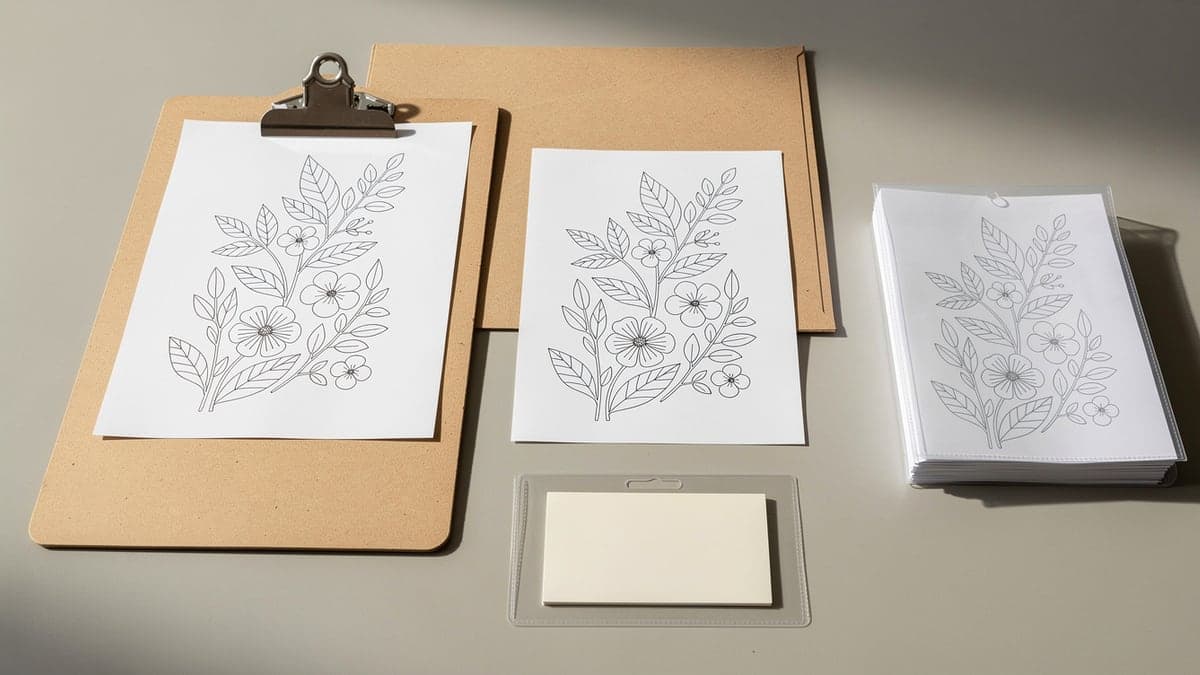
Check the use before you print
Coloring pages are easy to download, which makes the rights feel invisible. Treat each page like a small file with a source, a creator, and terms that may limit how it can be copied or shared.
| Planned use | Usually safer when | Caution |
|---|---|---|
| Personal coloring | The page source offers a download for personal use or the page comes from a coloring book you own. | Personal use does not automatically include reposting the file online. |
| Classroom or homeschool packet | The creator clearly allows classroom, homeschool, library, or group activity printing. | A free download can still limit copying, redistribution, or uploading to a shared drive. |
| Library or event table | The source allows group activity use and the pages are handed out as free activity sheets. | For public programs, keep the source note with the activity plan. |
| Blog or newsletter roundup | You link to the creator's page and do not host their PDF, preview art, or full file without permission. | Use your own description and avoid copying large parts of the creator's page. |
| Paid printable packet | You created the artwork yourself, hired/licensed it for resale, or have written commercial rights. | Personal-use and classroom-use pages should not be bundled into a paid download. |
| Public domain or Creative Commons page | The source is reliable and the license terms match your plan, including attribution and commercial rules. | Public domain status and license terms can vary by country, source, and artwork version. |
Five-step permission routine
- 1
Start with the original source
Use the creator's own site, publisher page, marketplace listing, or book page. Reuploaded PDFs and image-search results are weaker sources.
- 2
Match the permission to the exact use
Personal coloring, classroom printing, newsletter linking, and paid resale are different uses. The permission should match the thing you plan to do.
- 3
Save the terms before printing in bulk
Keep a screenshot, page URL, date, and short note in the folder with the pages. This is useful for classrooms, libraries, clubs, and assistants.
- 4
Link instead of reposting
For roundups, lesson plans, and craft posts, linking to the source page is safer than uploading someone else's file to your own site.
- 5
Ask before selling or bundling
If money, lead magnets, marketplace uploads, or product packaging are involved, get clear commercial permission or use original artwork.
Reference links to keep nearby
These sources do not approve a specific coloring page for you, but they are useful when a classroom, library, blog, or printable project needs a careful review.
U.S. Copyright Office Fair Use FAQ
Useful for understanding that fair use is a case-by-case question, not a blanket permission.
U.S. Copyright Office Circular 21
A reference for educators and librarians reviewing classroom and library copying questions.
Creative Commons license guide
Use this to check attribution, noncommercial, share-alike, and no-derivatives terms.
U.S. Copyright Office public domain circular
Helpful when a page claims public domain status and you want to verify the basics.
Helpful folder supplies
Rights checks are easier when approved pages, source notes, and activity copies stay in one place. Keep this practical and small.
| Supply | Best for | What to know | Compare |
|---|---|---|---|
| Printable page folder | Keeping source notes, permission screenshots, test prints, and finished pages together | Use one folder for original pages and one folder for third-party pages with permission notes. | Compare on Amazon |
| Sheet protectors | Classroom, library, and homeschool binders that need reusable planning sheets | Good for storing a printed checklist, source notes, and sample pages without loose paper piles. | Compare on Amazon |
| Heavyweight printer paper | Pages that are approved for display, gifts, cards, or repeat classroom activities | Save heavier paper for pages you have already checked and plan to use more than once. | Compare on Amazon |
| Clipboard or class set caddy | Keeping checked pages ready for storytime, art centers, clubs, or rainy-day activities | A visible station makes it easier to keep approved pages separate from unreviewed downloads. | Compare on Amazon |
Useful contexts
Teacher resource pages, homeschool planning posts, library program pages, craft blogs, and printable roundups can link to this checklist when they want readers to review permissions before downloading or sharing coloring pages.
The strongest anchor is practical and plain: printable coloring page rights checklist, coloring page usage checklist, or classroom printable permissions checklist.
FAQ
Can I print free coloring pages for my classroom?
Often yes, but only when the source allows classroom, homeschool, library, or group activity use. A page being free to download does not automatically mean it can be copied for every purpose.
Can I sell a printable coloring page I found online?
Do not sell, bundle, repost, or upload a printable coloring page unless you created it, licensed it for commercial use, or have clear written permission from the rights holder.
Is it okay to link to printable coloring pages in a blog roundup?
Linking to the creator's source page is usually safer than hosting their PDF or copying their page. Use your own description and respect the creator's preview image and download terms.
Are public domain coloring pages always safe to use?
Public domain can be useful, but check the source carefully. The underlying artwork, scan, edited version, characters, and country-specific rules can affect what is safe for your use.
What does Creative Commons mean for coloring pages?
Creative Commons licenses can allow reuse, but the exact terms matter. Check whether attribution is required, whether commercial use is allowed, and whether edits or derivatives are allowed.
Is this checklist legal advice?
No. This checklist is a practical planning tool for coloring pages. For a legal question, contract, paid product, or disputed use, ask a qualified legal professional.