
Earth Day Coloring Pages Printable
Plan Earth Day coloring pages printable packets with planet, tree, recycling, garden, classroom display, paper, crayons, and washable marker setup.
 Written byM.R. SilvermanUpdated July 8, 2026 7 min read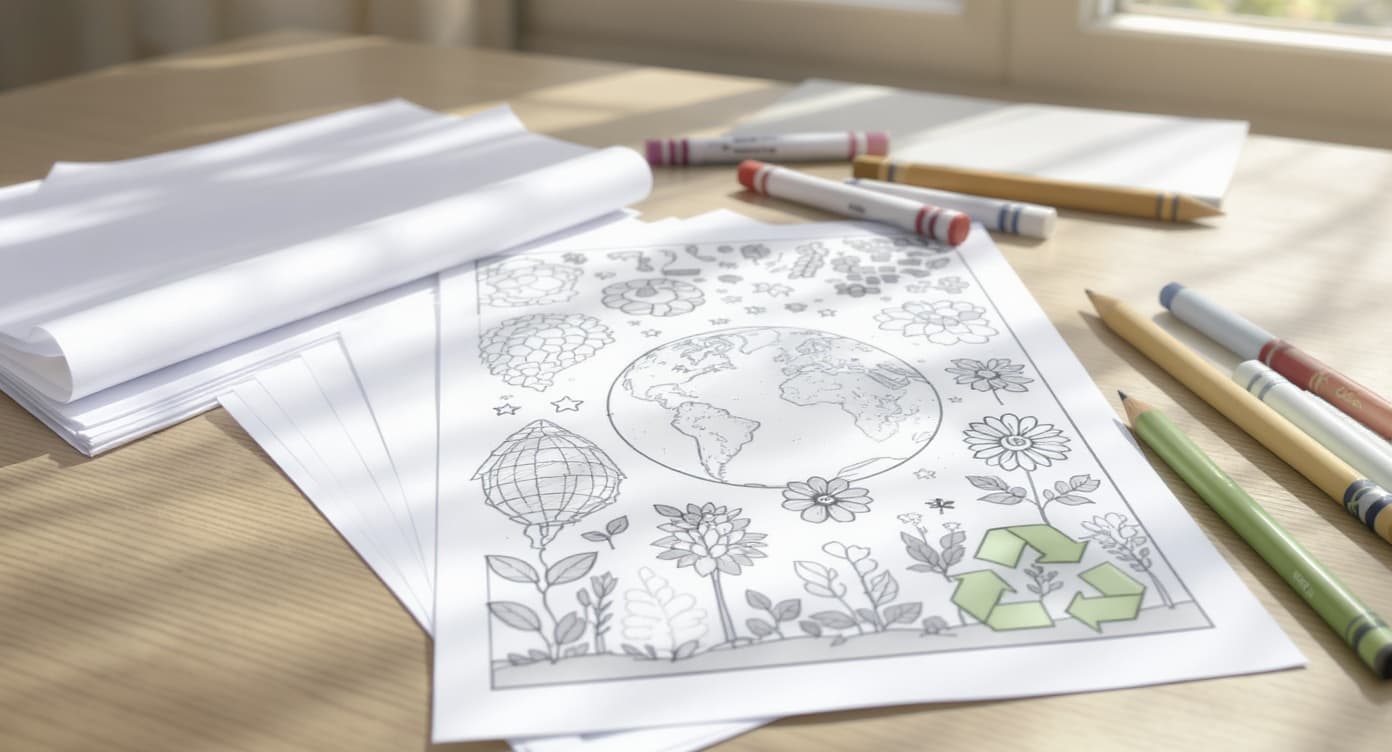
Direct answer
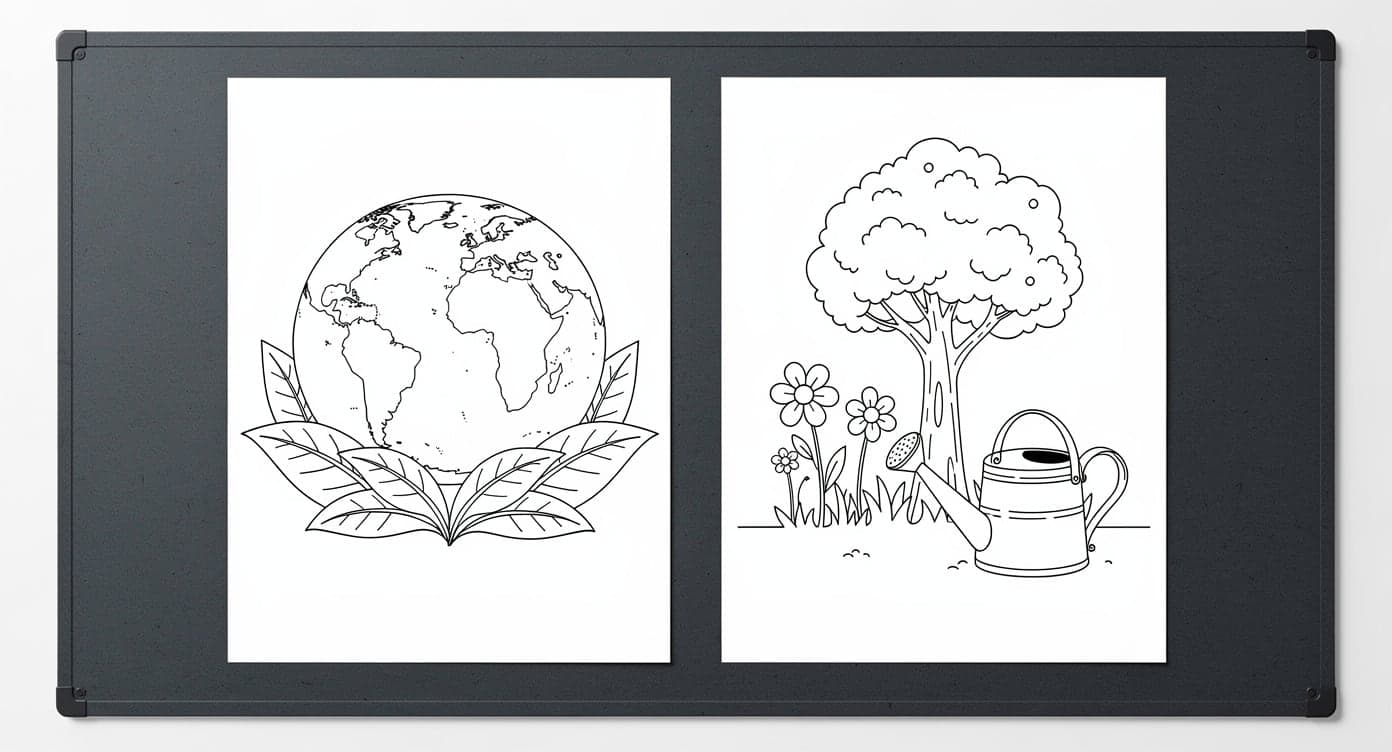
A good Earth Day coloring pages printable packet uses friendly, easy-to-explain themes such as the planet, trees, recycling symbols, gardens, leaves, flowers, animals, and simple classroom display pages. Keep the first packet short with one planet page, one tree or garden page, one recycling page, one younger-kid page, and one display or take-home page. Print one test copy, then use crayons for most groups and washable markers only with backing sheets and drying space.
Quick takeaways
- Earth Day printable coloring pages work best when the theme is clear, gentle, and practical for home, classroom, daycare, homeschool, or library use.
- Planet, tree, recycling, garden, flower, leaf, animal, and simple cleanup themes are more flexible than branded characters or copied worksheet art.
- Crayons are easiest for group packets; washable markers can work on bold single-sided pages with backing sheets, cap checks, and a drying spot.
- Print Earth Day packets several weeks ahead if the pages need to become hallway displays, library table sheets, take-home folders, or early-finisher activities.
Visual checks
Options to compare
Use these starting points to match the page, paper, and coloring style before you buy anything new.
| Option | Best for | What to know | Compare |
|---|---|---|---|
Standard printer paper Best everyday Earth Day packet paper | Planet pages, tree pages, recycling pages, garden sheets, classroom copies, and homeschool packets | Use standard paper for most crayon pages, then save heavier paper for display or marker-heavy sheets. | Compare on Amazon |
Bulk crayons Best low-mess group supply | Preschool pages, classroom packets, daycare tables, library stations, and quick Earth Day copies | Crayons are easy to reset across several children and do not need a drying area. | Compare on Amazon |
Washable marker class pack Best bright-color option | Bold planet pages, large tree pages, recycling symbols, and single-sided classroom sheets | Use a backing sheet, keep caps nearby, and let marker pages dry before stacking them. | Compare on Amazon |
Heavyweight printer paper Best display-page upgrade | Hallway displays, take-home favorites, library boards, and pages with light marker use | Test one sheet in the printer before copying a full Earth Day packet. | Compare on Amazon |
Pocket folders Best packet organizer | Fresh Earth Day pages, finished pages, early-finisher copies, and take-home sheets | Use one side for blank pages and one side for finished pages so the packet stays easy to manage. | Compare on Amazon |
Classroom clipboards Best flexible work surface | Library tables, garden-day stations, floor activities, and rooms with limited desk space | Clipboards help loose Earth Day pages stay steady when kids color away from a table. | Compare on Amazon |
Removable name labels Best display and sorting helper | Classroom displays, daycare cubbies, library pickup folders, and take-home sorting | Labels make finished pages easier to display or send home without writing over the artwork. | Compare on Amazon |
Sources and testing notes
This guide compares intended use, paper fit, and practical tradeoffs. It is selection guidance rather than a hands-on product test unless a section says otherwise. Check the merchant page for current materials, set contents, availability, and safety information before buying.
Choose Earth Day page themes by use
Start with simple planet, tree, recycling, garden, flower, leaf, animal, and cleanup themes. These ideas are easy to explain and work across home, classroom, daycare, library, and homeschool settings.
For younger kids, choose one large shape per page: a planet, tree, flower pot, recycle symbol, leaf, or smiling garden. Thick outlines and large spaces make the page easier to start.
For older kids, add a simple garden scene, tree with leaves, recycling sorter, pollinator garden, or short color-by-number page. Keep the line art readable at letter size.
Build a five-page Earth Day packet
A practical packet can include one planet page, one tree or garden page, one recycling page, one younger-kid page, and one display or take-home page.
Print extra copies of the easiest page. In groups, a bold planet or tree page is useful when a child finishes early, starts late, or needs a quick reset.
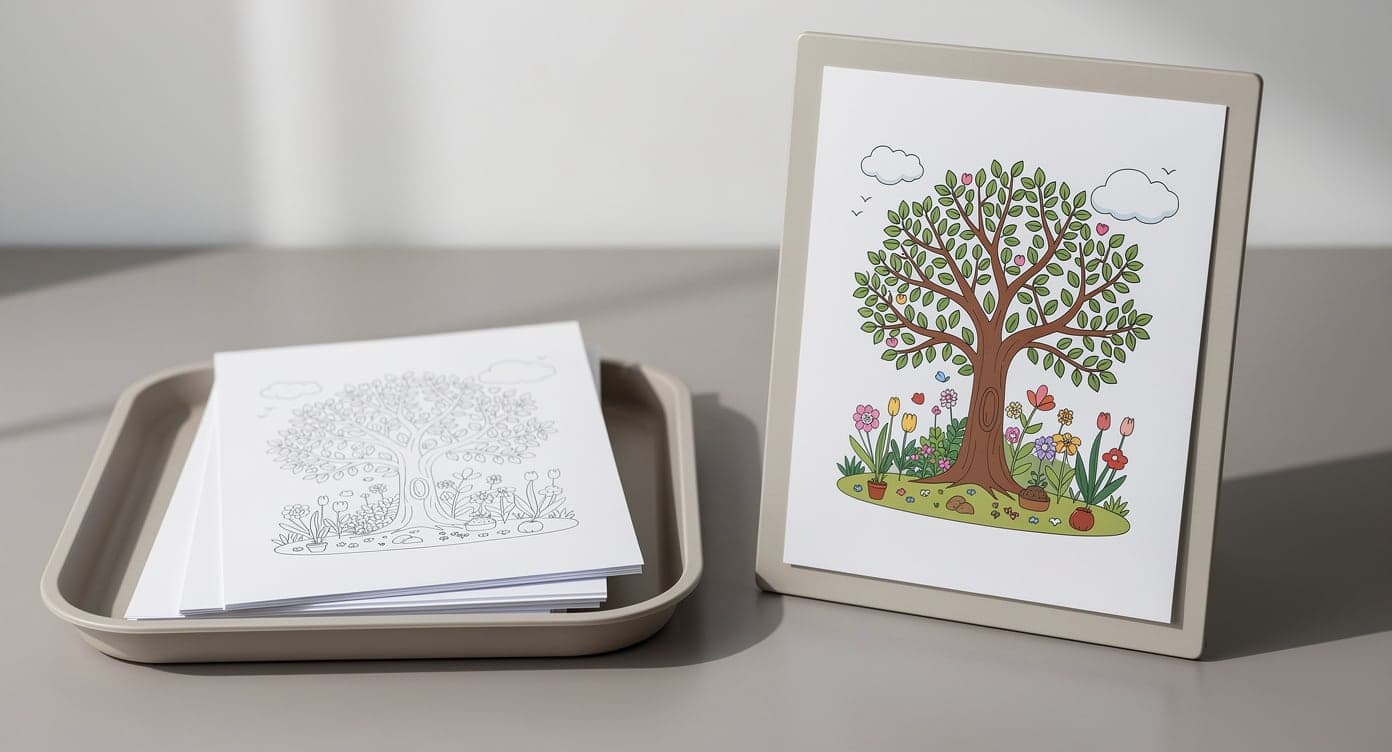
Keep one clean sample page for adults, volunteers, substitutes, or families. It helps the activity run without explaining every page one by one.
Match the page to the age group
For toddlers and preschoolers, use one big shape, thick outlines, and simple supplies. A planet, flower, leaf, tree, or recycle symbol is easier than a crowded scene.
For kindergarten and early elementary kids, use trees, gardens, animals, simple recycling pages, and short color keys. Give each finished page a clear place: folder, tray, display, or take-home stack.
For older kids, use garden scenes, patterned leaves, simple posters, and color-by-number sheets with six to eight colors. Keep the message positive and concrete.
Paper and supply setup
Standard printer paper is enough for most Earth Day coloring pages with crayons or colored pencils. It keeps large batches affordable and easy to replace.
Use heavyweight paper for pages that will be displayed, sent home unfolded, or colored with markers. Test one page before printing a full packet.
Crayons are the easiest default for group coloring. Washable markers are brighter, but they need backing sheets, cap checks, and drying space before finished pages stack.
If you use folders, put blank pages on one side and finished pages on the other. That keeps Earth Day packets from turning into loose paper piles.
Use pages in classrooms and libraries
Earth Day printable pages work well for morning tubs, early finishers, library activity tables, daycare quiet time, homeschool folders, garden-day stations, and hallway displays.
Pair the page with one simple action prompt if the setting needs it: color a tree, circle a reuse idea, choose a garden color palette, or write one sentence under the finished page.
If finished pages will be displayed, leave space for a name label, date, return slip, or source note. If pages will go home, use a take-home folder or pickup tray so finished pages do not scatter.
Keep Earth Day printables rights-safe
Use original pages or pages with clear permission for classroom, homeschool, library, daycare, or personal use. Free to print does not always mean free to repost, bundle, sell, or upload elsewhere.
Avoid protected characters, brand mascots, organization logos, copied worksheet art, and clip art with unclear rights. Generic planets, trees, leaves, gardens, flowers, animals, and recycling symbols are safer for repeat use.
If you share resources with families or teachers, link to the original source page instead of redistributing someone else’s file. Keep source notes with printed packets when possible.
Printable resource
Holiday coloring pages printable calendar
Plan monthly holiday coloring pages for classrooms, libraries, homeschool groups, and adult printable folders.
Printable classroom coloring calendar pages
Plan monthly classroom coloring pages with themes, supplies, display timing, and take-home folder decisions.
Kids coloring activity folder guide
Set up a reusable kids coloring folder for rainy days, travel, homeschool, classrooms, and library activity tables.
Classroom coloring supply checklist
Build a classroom, homeschool, daycare, or library coloring table kit with supplies that are easy to reset.
Washable marker cleanup checklist
Use this parent and teacher checklist before washable marker coloring activities.
Toddler marker setup checklist
Use this quick setup checklist before toddler marker activities at home, daycare, preschool, or library tables.
Marker bleed-through test sheet
Use this printable swatch sheet before coloring a full page with markers.
Coloring paper weight cheat sheet
Compare paper types before printing adult pages, kids pages, or marker-heavy designs.
Coloring page printer settings checklist
Choose scale, margin, grayscale, quality, paper type, and test print settings before batching pages.
Printable coloring page rights checklist
Check source permissions before printing, sharing, bundling, or linking to printable coloring pages.
Printable coloring page folder organization
Organize printable coloring pages by age, theme, season, source rights, paper type, and reprint priority.
Classroom finished coloring page display labels
Make classroom display labels for finished coloring pages with student names, dates, group labels, return timing, and source notes.
Classroom coloring page display return slip
Make classroom coloring page display return slips with return dates, parent notes, student names, take-home folders, and source notes.
Finished coloring page take-home folder
Set up take-home folders for finished coloring pages with classroom timing, library pickup folders, student labels, drying pages, and storage before pickup.
FAQ
What Earth Day coloring pages are best for kids?
Planet, tree, recycling, garden, flower, leaf, animal, and simple cleanup pages work well because they are seasonal, readable, and easy to explain.
What should be in an Earth Day coloring packet for class?
Use one planet page, one tree or garden page, one recycling page, one younger-kid page, and one display or take-home page.
Are Earth Day coloring pages okay for preschoolers?
Yes, when the pages use large spaces, friendly themes, thick outlines, and simple supplies. Avoid crowded scenes for very young kids.
Should kids use crayons or markers for Earth Day coloring pages?
Crayons are easiest for group packets. Washable markers can work on bold single-sided pages when you add backing sheets, cap checks, and drying space.
What paper should I use for Earth Day printable coloring pages?
Use standard printer paper for most crayon pages. Use heavyweight paper for display pages, take-home favorites, or pages that will be colored with markers.
When should I print Earth Day coloring pages?
Print and test the first packet several weeks before Earth Day if the pages need to support classroom displays, library tables, take-home folders, or activity rotations.