
Library table reset
Library Coloring Program Table Reset Checklist
Use one reset checklist after each coloring program: restock paper, check marker caps, separate dull pencils, route finished pages, hold no-name pages, refill cleanup supplies, return source notes, and leave a short handoff note.
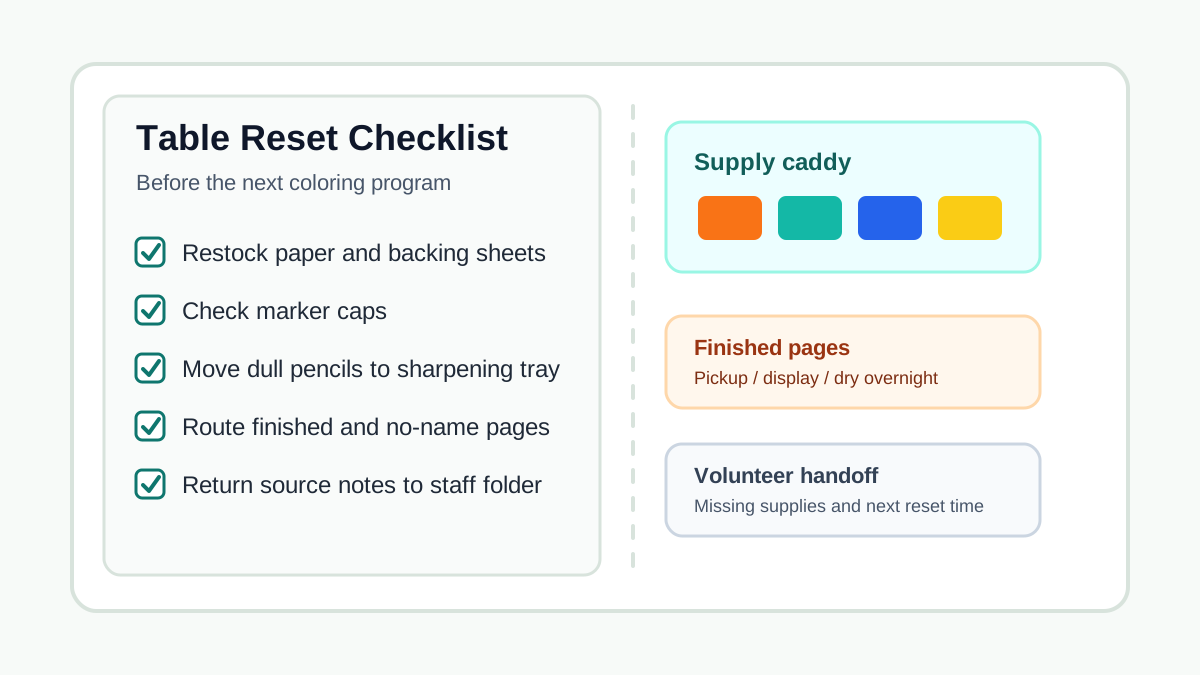
Direct answer
A library coloring program table reset checklist should cover paper restock, marker caps, dull pencils, finished page routing, no-name pages, cleanup supplies, source notes, and volunteer handoff before the next program starts.
Table reset checklist steps
The best reset checklist is task-based. It tells staff what to refill, what to remove, and where each finished page or source note belongs.
| Task | Check | Reset action |
|---|---|---|
| Paper restock | Coloring pages, backing sheets, scratch paper, and test pages | Refill only the paper types needed for the next program and move source copies away from public stacks. |
| Marker cap check | Loose caps, dried tips, mixed caps, and markers left open on the table | Match caps before storing markers and remove dried-out markers before they return to the bin. |
| Dull pencil tray | Short pencils, broken tips, dull colored pencils, and hand sharpeners | Move dull pencils to a sharpening tray so ready pencils stay easy for the next group to use. |
| Finished page routing | Dry pages, wet marker pages, display choices, and pages going home | Send pages to pickup, display, drying, archive, or recycle instead of leaving them with supplies. |
| No-name page check | Loose pages, pages without initials, pages left on chairs, and mixed family pages | Place no-name pages in one folder with a clear pickup date before recycling or archiving. |
| Cleanup supply refill | Wipes, table covers, scrap tray, trash bag, drying tray, and cap return cup | Refill cleanup supplies before the next program rather than waiting for setup time. |
| Source note return | Printable masters, permission notes, staff copies, and program packets | Return source notes to a staff folder or archive box so public pages stay simple. |
| Volunteer handoff | Missing supplies, confusing labels, damaged pages, and next program needs | Leave one short note with what was restocked, what is missing, and what needs review next. |
Printable reset wording
Paper restock
Paper stacks and self-serve coloring tables
Refill before next program: pages / backing sheets / test paper
Cap check
Washable marker bins and family programs
Markers: match caps before storing
Dull pencils
Quiet tables, teen programs, and adult sessions
Dull pencils here: sharpen before returning to ready cup
Finished pages
Programs where pages stay after cleanup
Finished pages: pickup / display / dry overnight
No-name pages
Storytime, summer reading, and drop-in tables
No-name pages: check before Friday
Handoff note
Volunteer-led reset or shared program rooms
Missing before next program: ____
Reset timing
| Timing | Focus | Action |
|---|---|---|
| Before patrons arrive | Paper, backing sheets, ready pencils, washable markers, and cleanup supplies | Set out only what the group needs and keep source notes staff-facing. |
| During table use | Loose caps, crowded paper stacks, wet pages, and scrap buildup | Do one small reset during a quiet moment so the table does not become confusing. |
| At cleanup | Finished pages, no-name pages, dull pencils, missing caps, and trash | Sort pages before supplies go back into bins, then write any missing-supply note. |
| Next open day | Drying pages, pickup folders, display choices, and source notes | Move dry pages to pickup or display and clear drying trays before the next event. |
| Weekly review | Recurring station inventory, damaged supplies, and confusing labels | Refill the table kit and update labels when the station workflow changes. |
Reset by station type
Storytime coloring table
Use large paper stacks, cap checks, no-name folder, and quick pickup wording.
Summer reading activity table
Add program dates, refill timing, display routing, and volunteer handoff notes.
Teen craft night
Separate ready pencils, dull pencils, sharpeners, detailed pages, and storage folders.
Adult coloring session
Keep source notes, cardstock, test paper, and finished-page decisions clearly separated.
Self-serve station
Use weekly paper restock, cap checks, simple pickup notes, and visible cleanup supplies.
Outreach kit
Add branch, room, return shelf, missing supplies, and next travel date notes.
Printable checklist preview
Reset Sheet
Next Program Table Reset
Check paper, caps, dull pencils, cleanup supplies, finished pages, no-name pages, source notes, and volunteer handoff.
Paper restock
ResetColoring pages, backing sheets, scratch paper, and test pages
Marker cap check
ResetLoose caps, dried tips, mixed caps, and markers left open on the table
Dull pencil tray
ResetShort pencils, broken tips, dull colored pencils, and hand sharpeners
Finished page routing
ResetDry pages, wet marker pages, display choices, and pages going home
No-name page check
ResetLoose pages, pages without initials, pages left on chairs, and mixed family pages
Staff and volunteer checklist
Before the program
- Set out only the paper and supplies needed for the planned age group
- Keep source notes and printable masters away from public stacks
- Prepare a dull pencil tray and a marker cap return cup
- Place finished page, no-name page, and drying folders near the table
- Write the next restock date on the reset note
During table use
- Move wet marker pages to a drying tray before they smear or stick
- Keep backing sheets close when markers are available
- Collect loose caps before markers go back into storage
- Move dull pencils away from ready pencils quickly
- Keep the no-name folder visible near pickup
During cleanup
- Route finished pages to pickup, display, drying, archive, or recycle
- Refill paper and backing sheets before closing the supply bin
- Check wipes, table covers, scrap trays, and trash bags
- Return source notes to the staff folder
- Write down missing supplies before leaving the room
Before the next program
- Sharpen dull pencils and return ready pencils to the right cup
- Discard dried-out markers and note replacements
- Clear no-name pages based on the posted pickup window
- Move dry pages from drying tray to pickup or display
- Confirm the volunteer handoff note was handled
Handoff notes
| Role | What the note should cover |
|---|---|
| Staff lead | Writes the reset rule, pickup timing, source note location, and final page-routing decision. |
| Volunteer | Checks caps, separates dull pencils, refills paper, and leaves a missing-supply note. |
| Children desk | Keeps pickup folders and no-name pages visible during the posted pickup window. |
| Program room | Stores table covers, wipes, scrap tray, drying tray, and the recurring reset checklist. |
| Outreach bag | Tracks what returned from a community visit and what must be restocked before travel. |
| Closing shift | Confirms wet pages, trash, caps, source notes, and refill needs are handled before closing. |
Keep source notes staff-facing
A reset sheet can mention source notes, but the notes themselves should stay in a staff folder or archive box. That keeps public tables simple while preserving the details staff may need later.
Check printable rightsHelpful table reset supplies
Start with one checklist and simple labels. Add sorters, caddies, folders, trays, or carts when they make the reset faster for staff and volunteers.
| Supply | Best for | What to know | Compare |
|---|---|---|---|
| Desktop file sorter | Paper restock, backing sheets, source notes, and finished page routing | A sorter keeps paper decisions visible without mixing source notes with public coloring pages. | Compare on Amazon |
| Clear supply caddies | Marker cups, ready pencils, dull pencils, cap return, and cleanup tools | Caddies work well when the same reset routine moves between program rooms. | Compare on Amazon |
| Removable labels | Reset checklists, pickup dates, no-name folders, and changing program setups | Removable labels help one table kit serve storytime, summer reading, and adult sessions. | Compare on Amazon |
| Pencil sharpener | Dull pencil trays, colored pencil cups, and volunteer reset tasks | A reliable sharpener keeps dull pencils from returning to the ready cup. | Compare on Amazon |
| Large envelopes | No-name pages, pickup folders, source notes, and selected archive examples | Envelopes make page routing easier when folders are too bulky for a small program bin. | Compare on Amazon |
| Drying tray | Wet marker pages, gel pen pages, and pages waiting overnight | A dedicated tray keeps wet pages from being stacked with dry pickup pages. | Compare on Amazon |
| Cleaning wipes | Table reset, marker smudges, shared supplies, and closing shift cleanup | Keep cleanup supplies with the table kit so resets happen at the table, not later. | Compare on Amazon |
| Rolling cart | Shared library rooms, recurring stations, outreach kits, and seasonal supplies | A cart helps when supplies move between rooms and each shelf needs a clear reset job. | Compare on Amazon |
Useful contexts
Library programming pages, summer reading setup guides, classroom station reset posts, homeschool co-op resources, and community activity guides can use a table reset checklist as a practical staff handoff tool.
Helpful wording includes library coloring program table reset checklist, coloring table reset notes, marker cap check, dull pencil tray, no-name pages, finished page routing, and volunteer handoff sheet.
FAQ
What should a library coloring program table reset checklist include?
Include paper restock, marker cap checks, dull pencils, finished page routing, no-name pages, cleanup supplies, source note return, and a short volunteer handoff note.
How often should a library coloring table be reset?
Reset before each program, once during long programs if the table gets crowded, and again during cleanup. Self-serve stations should also get a weekly supply review.
Where should finished coloring pages go after a library program?
Finished pages should move to pickup, display, drying, archive, or recycle decisions. Keep them out of active supply bins so they are not colored over or misplaced.
What should libraries do with no-name coloring pages?
Place no-name pages in one labeled folder with a pickup date. After the posted window closes, recycle extras or archive selected examples based on the program policy.
How can volunteers reset a coloring table quickly?
Give volunteers short labels, one checklist, a cap return cup, a dull pencil tray, and a place to write missing supplies. Avoid vague notes that require staff knowledge.
Do source notes belong on the coloring table?
Keep source notes staff-facing. Public tables can show simple program wording, while printable masters, permission notes, and reuse records stay in a staff folder or archive box.