
Library volunteer handoff
Library Coloring Program Volunteer Handoff Sheet
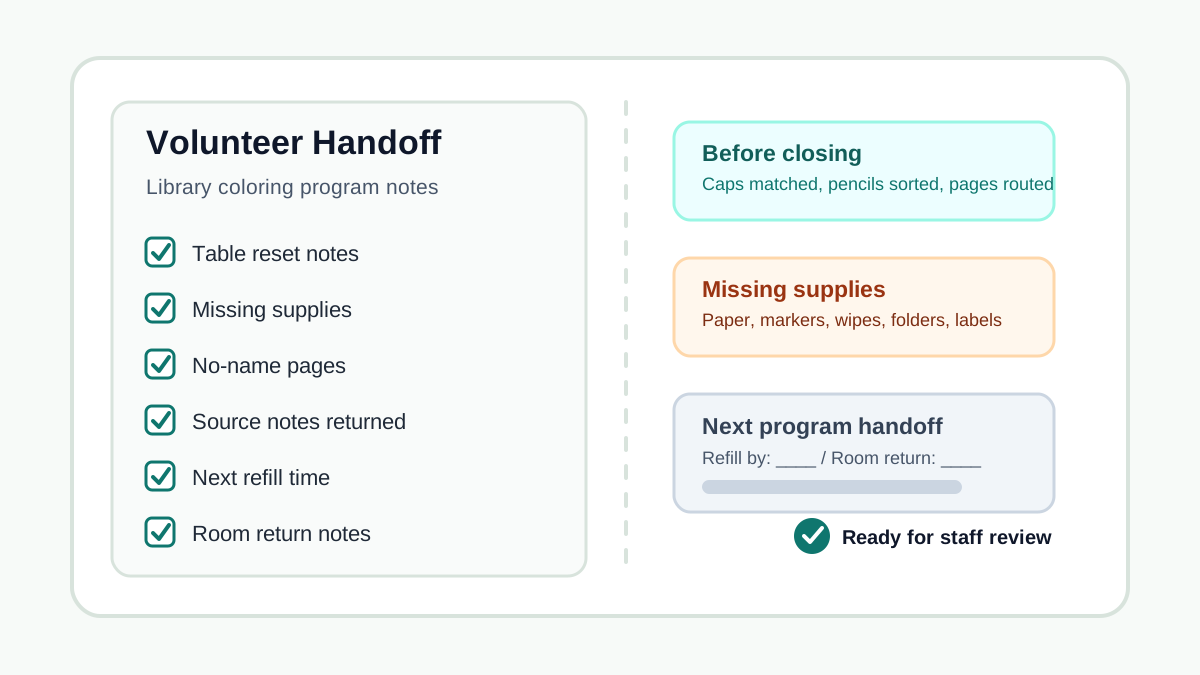
A volunteer handoff sheet keeps coloring programs easier to reset by recording table notes, missing supplies, no-name pages, source notes, closing tasks, next refill timing, and room return notes in one staff-facing place.
Direct answer
A library coloring program volunteer handoff sheet should include table reset notes, missing supplies, no-name pages, source note return, closing checklist, next program refill timing, room return notes, and staff follow-up.
Volunteer handoff fields
Keep fields short and task-based. Volunteers should be able to mark what happened, where pages went, and what staff need to refill before the next coloring program.
| Field | Check | What to note |
|---|---|---|
| Table reset notes | Paper stacks, marker caps, dull pencils, cleanup supplies, drying tray, and finished page routing | Write what was reset and what still needs staff review before the next program. |
| Missing supplies | Coloring pages, backing sheets, markers, pencils, wipes, folders, labels, and table covers | List exact supply names so staff can refill quickly instead of guessing. |
| No-name pages | Loose pages, pages without initials, pages found on chairs, and pages left near pickup | Place no-name pages in one dated folder and note the pickup window. |
| Source notes | Printable masters, permission notes, donated pages, staff examples, and program packets | Return source notes to the staff folder, sleeve, or archive box before closing. |
| Closing checklist | Trash, caps, wet pages, table covers, wipes, scrap tray, lights, cart, and room setup | Confirm the room is ready for the next program or write what is still pending. |
| Next program refill timing | Program date, expected age group, paper needs, tool type, and backup supplies | Add a refill-by date so the table kit is not empty when staff arrive. |
| Program room return notes | Cart location, shelf name, storage bin, outreach bag, drying tray, and pickup folder location | Write where supplies returned so the next person can find them. |
| Staff follow-up | Broken supplies, confusing labels, source questions, display decisions, and unusual cleanup issues | Use one short follow-up field instead of scattering notes across sticky notes. |
Handoff wording examples
Table reset
After every coloring program
Reset done: paper / caps / dull pencils / cleanup / pages
Missing supplies
Program bins and supply carts
Missing before next program: ____
No-name pages
Pickup desk and cleanup notes
No-name pages in folder through: ____
Source notes
Printable pages and donated sheets
Source notes returned to: staff folder / archive / packet
Next refill
Recurring activity tables
Refill by: ____ / Next program: ____
Room return
Shared rooms and outreach kits
Cart returned to: ____ / Room left: ____
When to use the sheet
| Timing | Volunteer note | Staff use |
|---|---|---|
| Before the program | Confirm the page stack, supply bins, backing sheets, and cleanup tools are visible. | Staff can see whether the table started with enough supplies. |
| During a long session | Note if caps, paper, or pickup folders are already running low. | Staff can refill during the program rather than after a shortage. |
| At cleanup | Sort finished pages, no-name pages, source notes, dull pencils, and wet pages. | Staff can route pages without rechecking the whole room. |
| Before closing | Mark missing supplies, room return location, and anything not finished. | Closing staff can confirm the table kit is ready or needs follow-up. |
| Before the next program | Use the last sheet to refill paper, labels, folders, cleanup supplies, and tools. | The next setup starts from a clear supply list. |
Roles and handoff responsibilities
Staff lead
Sets the handoff fields, source-note location, pickup window, and final page decisions.
Program volunteer
Checks caps, dull pencils, paper stacks, no-name pages, and missing supplies during cleanup.
Children desk
Keeps pickup folders, no-name pages, and display-return notes visible to patrons.
Closing staff
Confirms room return, wet pages, trash, lights, cart location, and supplies needing refill.
Outreach helper
Writes what came back from a community visit and what must be repacked before travel.
Next program setup
Uses the previous handoff sheet to refill and reset the table before patrons arrive.
Printable handoff sheet preview
Volunteer Handoff Sheet
Coloring Program Notes
Track reset notes, missing supplies, no-name pages, source notes, closing tasks, next refill timing, and room return notes.
Table reset notes
NotePaper stacks, marker caps, dull pencils, cleanup supplies, drying tray, and finished page routing
Missing supplies
NoteColoring pages, backing sheets, markers, pencils, wipes, folders, labels, and table covers
No-name pages
NoteLoose pages, pages without initials, pages found on chairs, and pages left near pickup
Source notes
NotePrintable masters, permission notes, donated pages, staff examples, and program packets
Closing checklist
NoteTrash, caps, wet pages, table covers, wipes, scrap tray, lights, cart, and room setup
Staff and volunteer checklist
Before volunteers arrive
- Choose one handoff sheet location such as the supply bin, cart, or staff folder
- Write the source note location before the program starts
- Prepare folders for finished pages, no-name pages, display pages, and drying pages
- Set a refill-by date for recurring programs
- Keep wording short enough for volunteers to understand quickly
During cleanup
- Match marker caps before storing markers
- Move dull pencils to a sharpening tray
- Separate wet pages from dry pickup pages
- Place no-name pages in one dated folder
- Write missing supplies before leaving the room
Before closing
- Return source notes to the staff-facing folder or archive box
- Check wipes, table covers, scrap trays, and trash bags
- Mark where the cart, bin, pickup folder, and drying tray were returned
- Write one staff follow-up note for unresolved questions
- Confirm the next program refill timing
Before the next program
- Use the prior handoff sheet as the refill list
- Restock pages and backing sheets based on the expected group
- Replace dried-out markers and sharpen dull pencils
- Clear no-name pages based on the posted pickup window
- File the completed handoff sheet only if staff need the program record
Keep patron pages and staff notes separate
Volunteers can write where source notes and finished pages went, but staff-facing records should stay separate from public coloring sheets. That keeps pickup simple and preserves details staff may need later.
Review the table reset checklistHelpful handoff supplies
Start with one clear sheet and one known storage spot. Add clipboards, folders, labels, caddies, or bins when they make the handoff easier to complete.
| Supply | Best for | What to know | Compare |
|---|---|---|---|
| Clipboard | Volunteer notes, room return notes, closing checklist, and mobile carts | A clipboard keeps the handoff sheet with the table rather than under loose pages. | Compare on Amazon |
| Removable labels | Refill dates, no-name folders, source note folders, and cart return labels | Removable labels help the same program kit change by season or room. | Compare on Amazon |
| Pocket folders | Finished pages, no-name pages, source notes, and volunteer paperwork | Folders make it easy to keep patron pages separate from staff notes. | Compare on Amazon |
| Clear supply caddy | Markers, cap return, ready pencils, dull pencils, wipes, and small labels | A clear caddy helps volunteers see what is missing without unpacking everything. | Compare on Amazon |
| Desktop file sorter | Paper stacks, backing sheets, source notes, pickup folders, and handoff sheets | A sorter gives each paper type a visible place at the table. | Compare on Amazon |
| Large envelopes | No-name pages, outreach returns, selected examples, and source packets | Envelopes work when pages need to stay flat and move between rooms. | Compare on Amazon |
| Storage bins | Recurring program kits, volunteer handoff sheets, cleanup supplies, and paper refills | Use one outside label and one handoff sheet inside each recurring kit. | Compare on Amazon |
| Pencil sharpener | Dull pencil trays, volunteer cleanup, and next-program setup | A reliable sharpener makes the handoff note actionable before the next session. | Compare on Amazon |
Useful contexts
Library programming pages, volunteer training resources, summer reading setup guides, classroom station reset posts, and community activity guides can use a volunteer handoff sheet as a practical program reset tool.
Helpful wording includes library coloring program volunteer handoff sheet, table reset notes, missing supplies, no-name pages, source notes, closing checklist, next refill timing, and program room return notes.
FAQ
What should a library coloring program volunteer handoff sheet include?
Include table reset notes, missing supplies, no-name pages, source notes, closing checklist items, next refill timing, program room return notes, and staff follow-up.
Where should the volunteer handoff sheet stay?
Keep it on a clipboard, inside the program supply bin, or in a staff-facing folder near the coloring table so volunteers and staff use the same note.
How detailed should volunteer notes be?
Use short fields and exact supply names. A useful note says what is missing, where pages went, and what staff need to review next.
Should source notes be public on the handoff sheet?
Keep source notes staff-facing. The sheet can say where source notes were returned, while printable masters and permission details stay in a staff folder or archive box.
What should volunteers do with no-name coloring pages?
Place no-name pages in one dated folder and write the pickup window on the handoff sheet before pages move to recycle or archive decisions.
How often should library coloring program handoff sheets be reviewed?
Review the sheet at cleanup, before closing, and before the next program. Recurring stations can use the prior handoff sheet as a refill list.