
Library room return labels
Library Coloring Program Room Return Labels
Room return labels help staff and volunteers put coloring program carts, shelves, missing supplies, drying trays, pickup folders, source notes, and closing checklist items back in the right place before the next session.
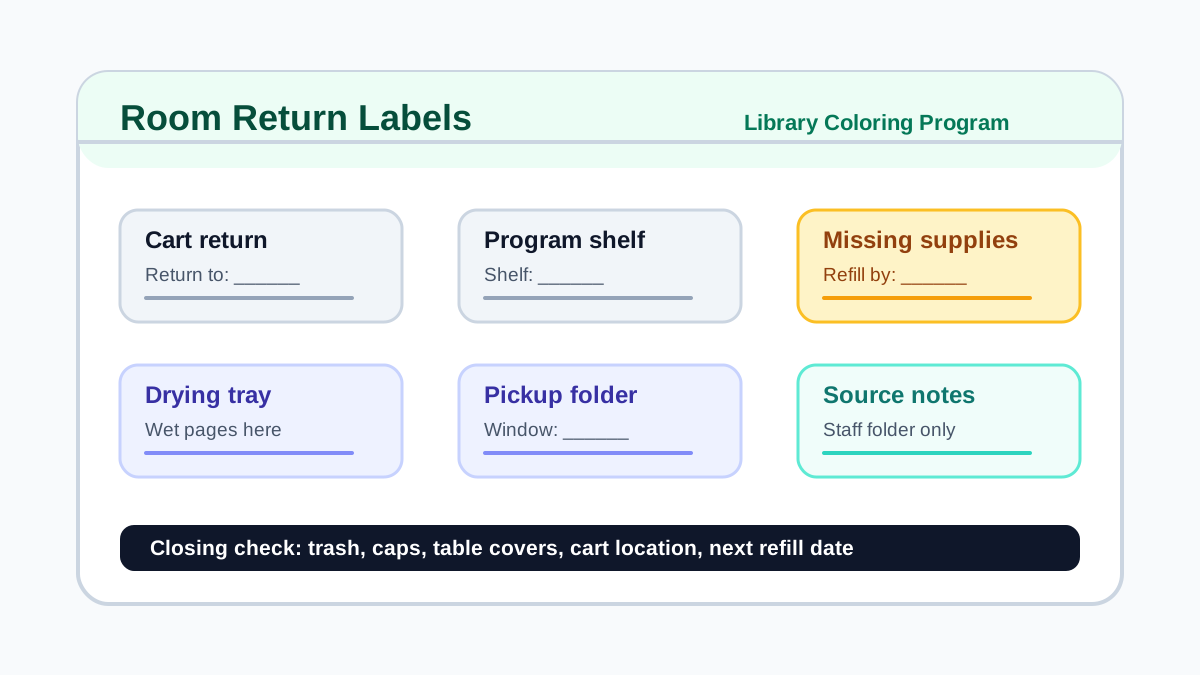
Direct answer
Library coloring program room return labels should identify where carts, shelves, missing-supply notes, drying trays, pickup folders, source notes, closing tasks, and refill timing belong after each program.
Room return label types
Use labels for decisions that happen repeatedly at cleanup. A good label answers where the item goes and when staff should check it again.
| Label | Use for | Suggested wording |
|---|---|---|
| Cart return location | Rolling carts, outreach carts, shared room carts, and activity kit return spots | Return cart to: _____ / After program: _____ |
| Program room shelf | Program room shelves, staff cabinets, children desk shelves, and maker-space storage | Program shelf: _____ / Bin position: _____ |
| Missing supplies | Markers, pencils, crayons, paper, backing sheets, wipes, labels, folders, and table covers | Missing before next program: _____ / Refill by: _____ |
| Drying tray | Wet marker pages, glue-adjacent projects, damp cleanup pages, and pages not ready for pickup | Drying tray: leave until _____ / Move to pickup folder after dry |
| Pickup folder | Finished pages, no-name pages, display returns, alphabet folders, and pickup windows | Pickup folder: _____ / Hold through: _____ |
| Source note folder | Printable masters, donated page notes, staff examples, reuse notes, and archive details | Source notes returned to: staff folder / archive / packet |
| Closing checklist | Trash, caps, table covers, scrap tray, lights, chairs, wipes, and room reset | Closing check: caps / trash / tables / lights / room |
| Next refill timing | Recurring programs, summer reading tables, outreach kits, and school-break stations | Next program: _____ / Refill by: _____ / Expected group: _____ |
| Staff follow-up | Broken supplies, confusing labels, source questions, storage changes, and unusual cleanup issues | Staff follow-up needed: _____ |
Where to place labels
Cart handle
Quick room return and shared rolling carts
Use a short label that can be read while the cart is moving.
Supply bin lid
Program kits that move between rooms or outreach locations
Keep refill timing on the inside if public-facing labels should stay simple.
Program room shelf
Permanent storage spots and staff-only shelves
Use shelf labels that match the wording on the cart or bin.
Drying tray edge
Wet pages and pages waiting before pickup
Add a review date so pages do not sit after they are dry.
Pickup folder front
Finished pages, no-name pages, and display returns
List the pickup window, not personal details.
Staff folder tab
Source notes, printable masters, permission notes, and archive records
Keep detailed source notes staff-facing.
Label timing
| Timing | Check labels | Why it helps |
|---|---|---|
| Before the program | Cart return location, program room shelf, supply bin label, and source note folder | Volunteers know where items should return before cleanup starts. |
| During the program | Missing supplies, dull pencils, low paper, and drying tray status | Staff can refill before the table runs out of supplies. |
| At cleanup | Pickup folder, no-name folder, drying tray, trash, caps, and table covers | Pages and supplies move to the right place without a second sort. |
| Before closing | Room return label, closing checklist, source note folder, and next refill date | Closing staff can see what is done and what needs follow-up. |
| Before the next program | Refill-by date, expected group, paper stack, tool type, and backup supplies | The next setup starts with the correct bin and enough supplies. |
Staff and volunteer roles
Program staff
Sets the official room return location, source note folder, pickup window, and refill timing.
Volunteers
Use labels to return carts, move pages to pickup folders, and mark missing supplies.
Children desk
Checks pickup folder labels, no-name page timing, and display return folders.
Closing staff
Uses the closing label to confirm caps, trash, table covers, lights, cart return, and room reset.
Outreach team
Uses return labels to repack bins, carts, source folders, and supply lists after off-site programs.
Next setup helper
Reads the refill date and shelf labels before rebuilding the next coloring table.
Printable label sheet preview
Room Return Labels
Library Coloring Program
Label carts, shelves, missing supplies, drying trays, pickup folders, source notes, closing checks, and next refill timing.
Cart return location
LabelReturn cart to: _____ / After program: _____
Program room shelf
LabelProgram shelf: _____ / Bin position: _____
Missing supplies
LabelMissing before next program: _____ / Refill by: _____
Drying tray
LabelDrying tray: leave until _____ / Move to pickup folder after dry
Pickup folder
LabelPickup folder: _____ / Hold through: _____
Source note folder
LabelSource notes returned to: staff folder / archive / packet
Setup and closing checklist
Before printing labels
- Choose one official cart return location
- Name the program room shelf or staff cabinet exactly
- Decide where source notes stay after cleanup
- Create separate labels for pickup folders and no-name pages
- Use refill-by dates only where staff will actually check them
During setup
- Place the room return label where volunteers can see it
- Match bin labels with shelf labels and handoff sheet wording
- Put drying tray labels near wet-page storage
- Keep public-facing pickup labels simple
- Keep staff-facing source note labels away from patron page stacks
At cleanup
- Return carts and bins to the labeled room or shelf
- Move wet pages to the drying tray before pickup folders
- Put no-name pages in one dated folder
- Write missing supplies before closing the bin
- Use the closing checklist label before leaving the room
Before the next program
- Use missing-supply labels as the refill list
- Check source notes before reprinting pages
- Clear old pickup folders after the hold window
- Replace labels that no longer match the room setup
- Reset the cart return label if the program moves rooms
Label the return path, not every object
Too many labels can make cleanup slower. Start with the labels that prevent the biggest confusion: cart return, shelf name, pickup folder, source note folder, missing supplies, drying tray, and next refill timing.
Pair labels with a handoff sheetHelpful room return label supplies
Start with paper labels and real shelf names. Add label tape, holders, folders, bins, or clipboards when labels need to survive repeated programs.
| Supply | Best for | What to know | Compare |
|---|---|---|---|
| Removable labels | Cart return labels, shelf labels, refill dates, pickup folders, and temporary room changes | Removable labels are useful when summer programs move between rooms. | Compare on Amazon |
| Label maker tape | Durable shelf labels, cart labels, bin labels, and staff cabinet labels | Use label tape where handwritten labels get hard to read after repeated cleanup. | Compare on Amazon |
| Clear label holders | Reusable bins, carts, file boxes, and program shelves | Holders make it easier to swap room labels without peeling adhesive each time. | Compare on Amazon |
| Pocket folders | Pickup pages, no-name pages, display returns, source notes, and staff follow-up | Use different folder colors for public pickup and staff-facing notes. | Compare on Amazon |
| Desktop file sorter | Pickup folders, source note folders, drying tray notes, and handoff sheets | A sorter keeps paper flow visible when several programs share one desk. | Compare on Amazon |
| Clear storage bins | Recurring program kits, paper refills, cleanup supplies, and return labels | Clear bins help staff confirm supplies without unpacking the whole kit. | Compare on Amazon |
| Clipboards | Closing checklist labels, room return notes, and volunteer handoff sheets | A clipboard keeps the return label with the active table instead of buried in a bin. | Compare on Amazon |
| Drying rack | Wet marker pages, paint-adjacent activities, and pages waiting before pickup | Use a labeled rack or tray only when pages need visible drying time. | Compare on Amazon |
Useful contexts
Library programming blogs, volunteer training pages, summer reading setup guides, classroom station reset posts, and community activity resources can use room return labels as a practical cleanup and refill reference.
Helpful wording includes library coloring program room return labels, cart return location, program room shelf, missing supplies, drying tray, pickup folder, source note folder, closing checklist, and next refill timing.
FAQ
What should library coloring program room return labels include?
Include cart return location, program room shelf, missing supplies, drying tray, pickup folder, source note folder, closing checklist, next refill timing, and staff follow-up.
Where should room return labels go?
Put labels on cart handles, supply bin lids, program room shelves, pickup folders, drying trays, and staff-facing source note folders.
Should source note labels be public?
Detailed source note labels should stay staff-facing. Public-facing labels can simply point finished pages to pickup folders or display return folders.
How do room return labels help volunteers?
They show where carts, bins, folders, wet pages, no-name pages, and source notes go, which reduces cleanup decisions at the end of a program.
What is the best label for missing supplies?
Use a short missing-supply label with exact supply names and a refill-by date so staff can restock before the next coloring program.
When should room return labels be updated?
Update labels whenever a program moves rooms, shelf names change, pickup windows change, or the next program needs a different supply setup.