
Library archive labels
Library Coloring Page Archive Box Labels
Archive labels help staff keep useful coloring page examples, source notes, program records, and display reuse pages without saving every page from every activity.
Archive Box Labels
Program Archive
Label boxes by program, date range, source notes, review timing, and whether pages are selected examples, display reuse, or records.
Program record box
Saving examples by program seasonColoring program records: Summer Reading 2026
Selected examples
Holding pages that staff may reuse as samplesSelected examples only: keep for future displays
Source note sleeve
Storing third-party or donated pagesSource notes and printable permissions inside
Date range label
Seasonal boxes and summer reading programsArchive window: June-August 2026
Direct answer
A library coloring page archive box label should name the program, date range, archive purpose, source note location, review date, and whether the box stores selected examples, display reuse pages, or program records.
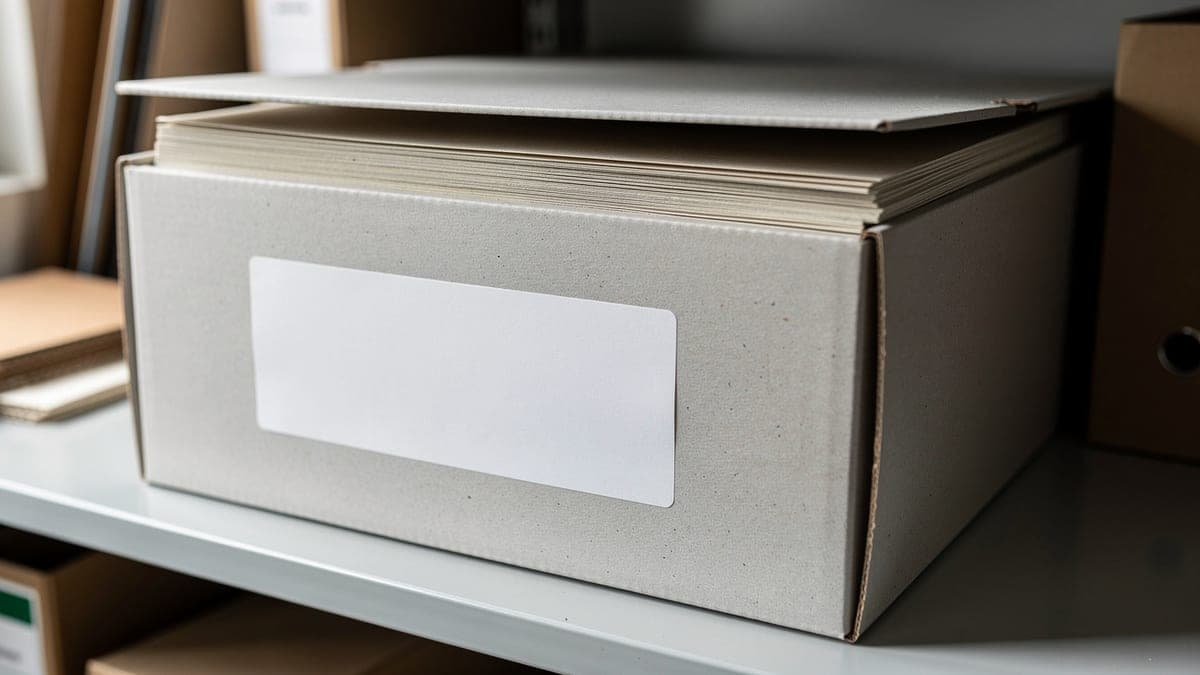
Archive label types
Label by decision, not only by theme. Staff need to know whether pages are being saved as examples, records, source documentation, display reuse, or items waiting for review.
| Label | Best for | What to write |
|---|---|---|
| Selected examples | Program samples, display inspiration, staff reference pages, and future planning | Save only the pages that show a useful theme, supply test, setup idea, or display style. |
| Program records | Storytime, summer reading, teen craft nights, and adult coloring sessions | Label by program name and date range so staff can understand why the pages were saved. |
| Source notes | Third-party printables, donated pages, library-created sheets, and shared packets | Keep source details near the archive so future staff can check what may be reused. |
| Display reuse | Seasonal boards, sample walls, community showcases, and table examples | Mark pages that may be reused as examples and separate them from pages that should go home. |
| Recycle review | Duplicates, practice pages, unclaimed pages, and pages without a clear use | Set a review date so archive boxes do not keep growing after each program. |
| Storage limit | Small libraries, shared program rooms, mobile carts, and seasonal storage shelves | Choose a box size or page count limit before storing pages. |
Wording examples
Program record box
Saving examples by program season
Coloring program records: Summer Reading 2026
Selected examples
Holding pages that staff may reuse as samples
Selected examples only: keep for future displays
Source note sleeve
Storing third-party or donated pages
Source notes and printable permissions inside
Date range label
Seasonal boxes and summer reading programs
Archive window: June-August 2026
Recycle review
Boxes that should not become permanent storage
Review extras before next program cycle
Storage limit
Small shelves, shared closets, or mobile carts
Keep one folder per program, recycle duplicates
Storage choices
Flat document box
Finished coloring pages that should stay unfolded
Best for selected examples, display-ready pages, and pages with heavy marker coverage.
Bankers box
Seasonal program records and large summer reading archives
Use one box per season or year and add a large outside label.
Accordion folder
Monthly program examples, no-name hold pages, and pickup overflow
Useful when staff need quick tabs more than long-term storage.
Binder with sheet protectors
Source notes, staff examples, program photos, and reusable templates
Keep source paperwork together instead of taping long notes to the box.
Portfolio folder
Large pages, staff sample sets, and display reuse pages
Use when pages are too large or too detailed for a crowded box.
Recycle tray
Duplicate practice pages, extra copies, and pages past the pickup window
Make recycling a visible stage so archive boxes stay useful.
Review timing
| Timing | Keep | Action |
|---|---|---|
| Same week | No-name pages and pickup overflow | Move claimed pages home and review unclaimed pages before the next program. |
| One month | Selected examples from recurring programs | Save only examples that show a setup, supply, or display idea worth repeating. |
| One season | Summer reading or holiday program records | Label date ranges clearly and review the box before the next season starts. |
| One year | Representative program samples | Keep a small sample set, not every finished page. |
| Before reuse | Third-party printable pages and source notes | Check source notes before reprinting, reposting, or building new packets. |
Archive checklist
Before archiving
- Choose the archive purpose before saving pages
- Separate selected examples from pages that should go home
- Write the program name and date range on the box label
- Keep source notes in a sleeve, folder, or binder
- Decide the box size or page count limit
During cleanup
- Let marker and gel pen pages dry before stacking
- Remove duplicate practice pages before storing
- Move no-name pages through pickup before archiving
- Keep display reuse pages separate from program records
- Add a recycle review date before the box goes on a shelf
Before reuse
- Check source notes before reprinting or sharing pages
- Use selected examples as inspiration, not as a reason to keep everything
- Refresh labels when boxes move shelves or rooms
- Discard pages with unclear ownership or no future use
- Keep staff notes separate from public display labels
When storage is tight
- Keep one folder per program instead of one box per table
- Photograph setup ideas if the physical page does not need to stay
- Reuse blank extras before printing more copies
- Recycle duplicates after the pickup window closes
- Review archive boxes before each major program cycle
Program pairings
| Program | Label | Setup |
|---|---|---|
| Storytime coloring table | Program record box | Save one small set of examples by month and recycle duplicate pages. |
| Summer reading display | Date range label | Use one seasonal archive box with source notes and selected display examples. |
| Teen craft night | Selected examples | Keep pages that show supply ideas, color palettes, or table setup choices. |
| Adult coloring session | Source note sleeve | Store source notes with the archive so future reprints are easier to check. |
| Self-serve coloring station | Recycle review | Use a review tray for extra copies and no-name pages before archiving anything. |
| Community display | Display reuse | Separate pages that may be used as future examples from pages waiting for pickup. |
Keep source notes close
Archive labels can stay short, but source details should be easy for staff to find before pages are reprinted, reused as examples, or included in a future packet.
Review the rights checklistHelpful archive supplies
Start with labels and one storage limit. Add boxes, folders, or sleeves only when the archive has a clear purpose.
| Supply | Best for | What to know | Compare |
|---|---|---|---|
| Document storage boxes | Flat finished coloring pages, seasonal program archives, and selected examples | Flat boxes help finished pages stay display-ready without folding. | Compare on Amazon |
| Bankers boxes | Annual records, summer reading archives, and larger program sets | Use large outside labels and avoid mixing too many program years in one box. | Compare on Amazon |
| Sheet protectors | Source notes, staff examples, program records, and reusable label templates | Sheet protectors keep source notes with the archive without taping paper to boxes. | Compare on Amazon |
| Removable labels | Temporary review dates, shelf locations, program names, and archive windows | Removable labels make it easier to reuse boxes between program seasons. | Compare on Amazon |
| File folder labels | Inside folders, source sleeves, selected examples, and recycle review tabs | Use folder labels for smaller categories inside the archive box. | Compare on Amazon |
| Portfolio folders | Large pages, display examples, and pages that should stay flat | Portfolio folders work well when a box is too deep or too crowded. | Compare on Amazon |
| Accordion folders | Monthly tabs, pickup overflow, no-name pages, and temporary sorting | Use accordion folders as a short-term staging system before boxes. | Compare on Amazon |
| Paper trimmer | Cutting repeated archive labels, source sleeves, and folder tabs | A trimmer keeps repeated labels easier to read on shelves. | Compare on Amazon |
Useful contexts
Library programming resources, summer reading planning pages, community center craft guides, teacher organization blogs, and activity archive posts can use this as a practical label starter.
Helpful wording includes library coloring page archive box labels, coloring program record labels, source note storage, display reuse labels, and recycle review labels.
FAQ
What should a library coloring page archive box label include?
Include the program name, date range, archive purpose, source note location, review date, and whether the box holds selected examples, display reuse pages, or program records.
Should libraries archive every finished coloring page?
Usually no. Archive selected examples, useful setup references, or program records. Return pages when possible and recycle duplicates or pages with no clear future use.
How long should a library keep coloring page examples?
A short seasonal or annual review works for many programs. Keep only the examples that help with future displays, supply planning, or program documentation.
Where should source notes go in a coloring page archive?
Keep source notes in a sleeve, folder, or binder inside the archive box. A public label can stay short, but staff should be able to find the details later.
What is the difference between pickup folders and archive boxes?
Pickup folders hold finished pages temporarily so patrons can collect them. Archive boxes hold selected examples or records after pickup and display decisions are complete.
Can archived coloring pages be reused for displays?
They can be reused as examples when the page source, participant expectations, and local program rules allow it. Keep display reuse pages clearly labeled.