
Easy Large-Print Coloring Pages for Seniors
Choose easy large-print coloring pages for seniors by readable outlines, adult themes, paper setup, comfort supplies, folders, and group-table use.
 Written byM.R. SilvermanUpdated July 8, 2026 7 min read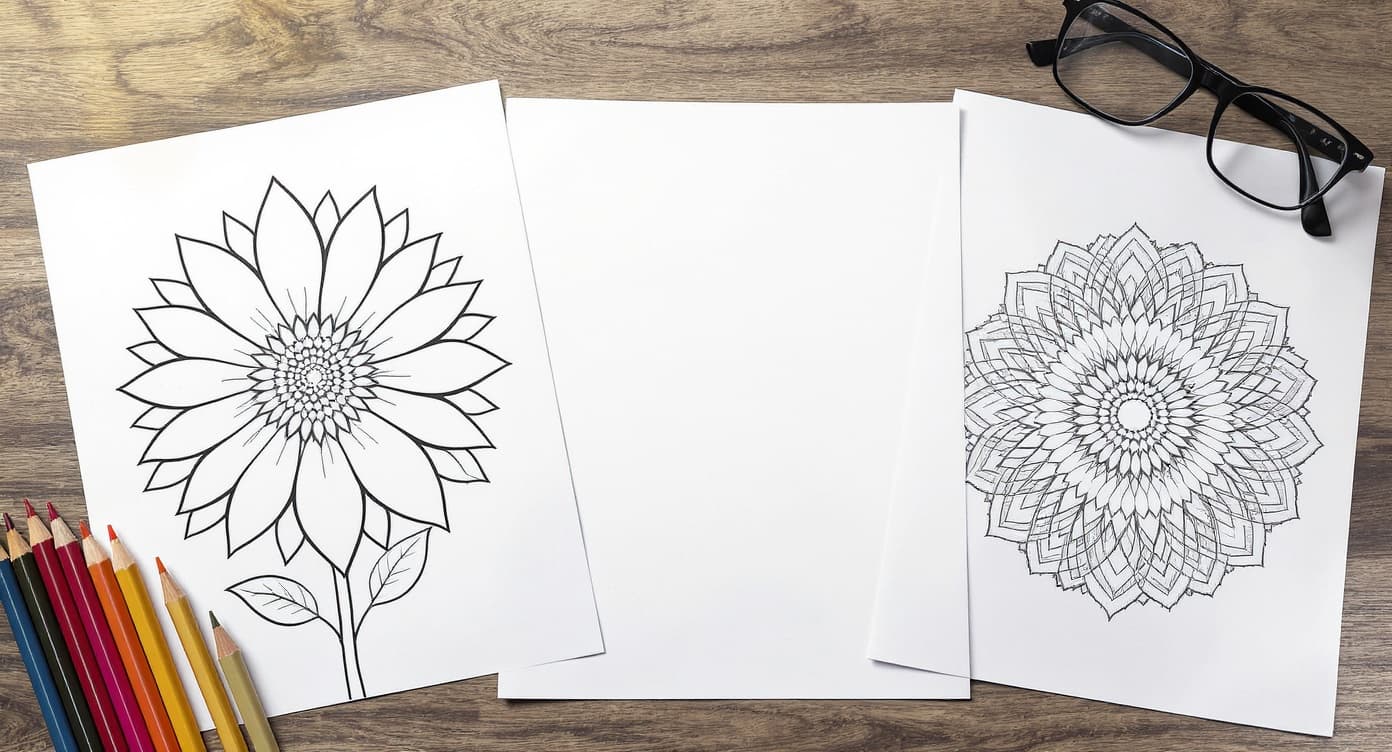
Direct answer
Easy large-print coloring pages for seniors should have bold outlines, open spaces, familiar adult themes, single-sided printing, and a simple supply setup. Start with flowers, leaves, birds, gardens, cozy rooms, simple mandalas, or seasonal pages. Print one test page first, check line clarity from the normal coloring distance, then use soft colored pencils, heavyweight paper, and a firm surface such as a clipboard or lap desk.
Quick takeaways
- Easy senior-friendly printables should feel adult, readable, and quick to start.
- Flowers, gardens, birds, cozy rooms, simple mandalas, and seasonal pages are useful first themes.
- Soft colored pencils, heavyweight paper, a backing sheet, and a firm surface cover most printable setups.
- For senior centers, libraries, or caregiver tables, offer a small page mix and avoid medical or cognitive-benefit claims.
Visual checks
Options to compare
Use these starting points to match the page, paper, and coloring style before you buy anything new.
| Option | Best for | What to know | Compare |
|---|---|---|---|
Heavyweight printer paper Best first printable paper | Large-print senior pages, saved pages, group tables, and light marker use | Use paper your printer can feed reliably and print one test sheet before batching a folder. | Compare on Amazon |
Soft colored pencil set Best comfortable first supply | Flowers, gardens, simple mandalas, large spaces, and ordinary printer paper | A medium set is easier to manage than a huge tray and works on more paper types than markers. | Compare on Amazon |
Comfort-grip colored pencils Best grip-friendly upgrade | Longer sessions, group tables, and readers who prefer a wider barrel or easier hold | Choose comfort before color count; extra colors matter less than pencils that are pleasant to hold. | Compare on Amazon |
Broad-tip water-based markers Best bold-color option | Very open large-print pages, short sessions, and simple single-sided sheets | Use a backing sheet and test the page first because markers can wrinkle or shadow through thin paper. | Compare on Amazon |
Clipboard or lap desk Best steady surface | Loose printables, lap coloring, library tables, and senior-center activity setups | A firm surface can make a single printable page feel easier to hold and color. | Compare on Amazon |
Pocket folder or binder Best page organizer | Blank page packets, finished pages, group handouts, and reusable activity folders | Keep blank pages, test sheets, and finished pages separated so the setup is easy to repeat. | Compare on Amazon |
Pencil sharpener and small caddy Best reset helper | Shared tables, caregiver kits, library programs, and keeping pencils ready between sessions | A simple sharpener and small caddy reduce setup friction without adding too many supplies. | Compare on Amazon |
Sources and testing notes
This guide compares intended use, paper fit, and practical tradeoffs. It is selection guidance rather than a hands-on product test unless a section says otherwise. Check the merchant page for current materials, set contents, availability, and safety information before buying.
What makes a senior printable easy
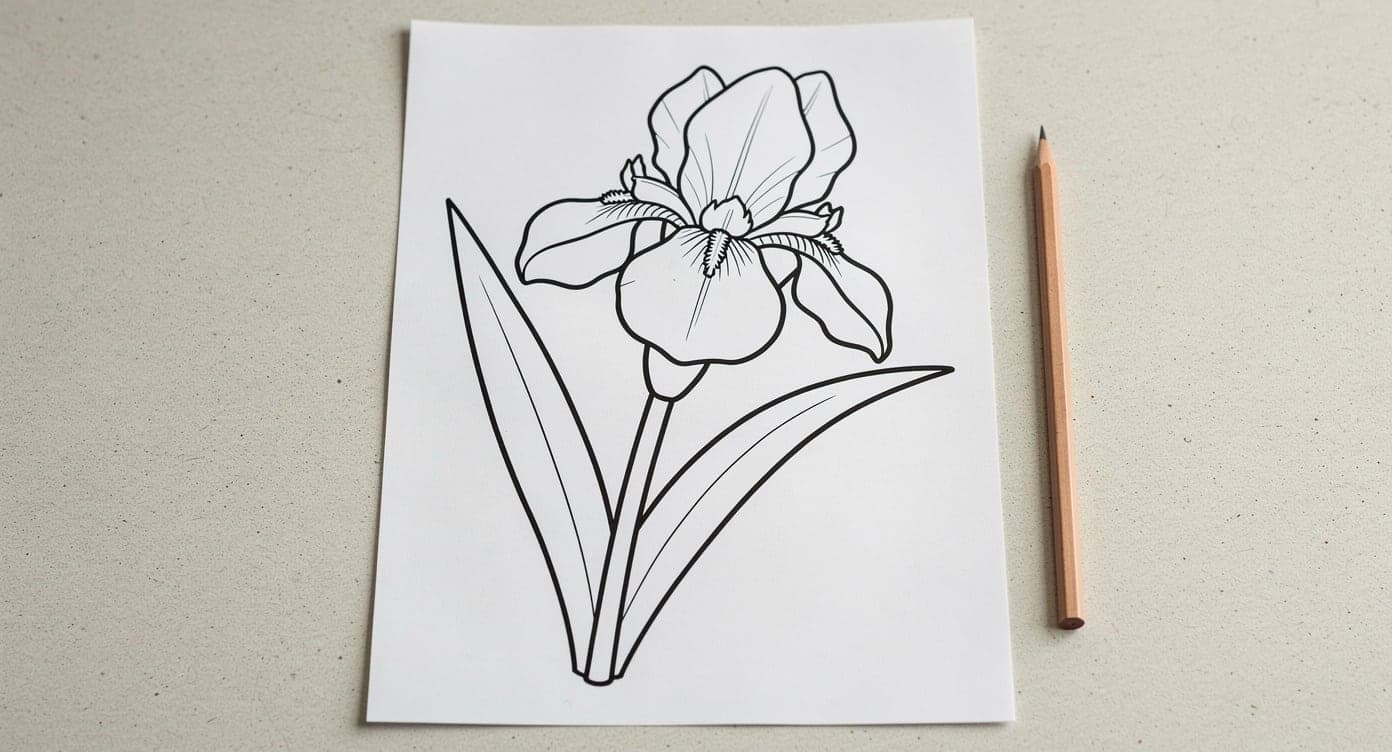
An easy senior-friendly printable has readable outlines, wider spaces, and a clear subject. It should be simple to begin without feeling childish or empty.
Large print is about usable space, not just making a tiny design bigger. A page with enlarged clutter can still feel hard if the lines are faint, the background is busy, or the subject is unclear.
The fastest quality check is practical: print one page, place it where it will be colored, and see whether the lines are comfortable from the normal coloring distance.
Best page themes to start with
Flowers, leaves, gardens, birds, butterflies, pets, cozy rooms, mugs, books, simple landscapes, and seasonal pages are usually good first themes because they are familiar and easy to color in a small palette.
Simple mandalas and gentle geometric pages are useful when repetition feels pleasant. Choose wide rings and clear sections instead of dense lace-like patterns.
For a group table, offer three to five page styles instead of a huge stack: one flower, one bird or garden page, one cozy scene, one simple mandala, and one seasonal page.
Paper and printer setup
Start with ordinary printer paper for a test page. Check scale, margins, line darkness, and whether the page still looks adult after printing.
Use heavyweight printer paper for pages that will be saved, displayed, or colored slowly. It feels sturdier and handles pencils better than very thin copy paper.
Print single-sided when the page will be colored with markers, displayed, stored in a folder, or used at a shared activity table. Add a backing sheet for marker pages even when the paper feels sturdy.
Comfort-friendly supplies
Soft colored pencils are the safest first supply because they work on most paper and do not bleed through. Choose a manageable set instead of a large collection that takes time to sort.
Comfort-grip pencils or wider barrels can help when a standard pencil feels too narrow. The right choice depends on the person, so start small before buying a large kit.
Water-based markers can work for very open large-print pages, but they need single-sided printing, a backing sheet, and a drying spot. Alcohol markers are not the easiest first choice for senior printable folders.
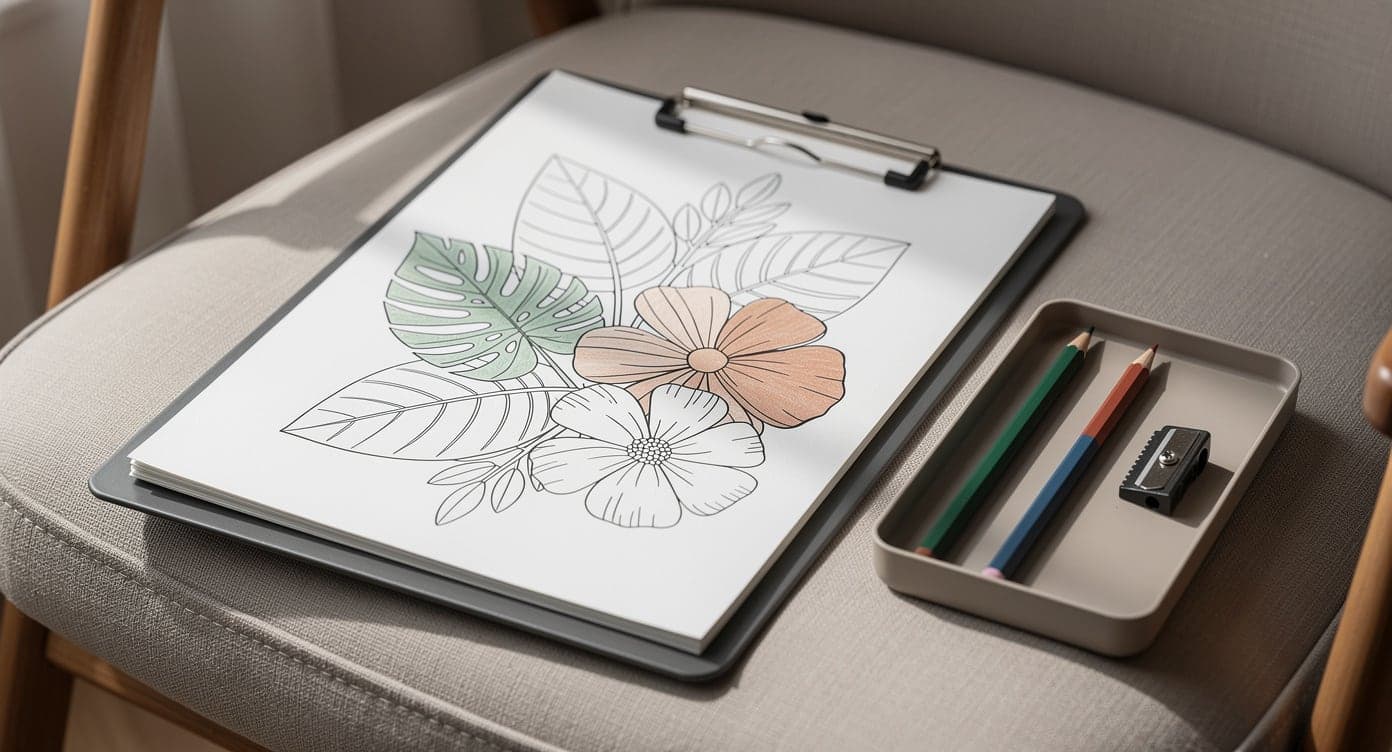
A clipboard, lap desk, or firm folder can matter as much as the coloring tool. Loose pages are easier when the surface stays steady.
Caregiver, library, and senior-center setup
For shared tables, prepare a small page packet, a limited supply set, one sharpener spot, and a finished-page folder. Fewer choices help the activity start quickly.
Keep source notes with the page packet so another helper can reprint the same page later and check permission terms before copying.
Describe coloring as a quiet creative activity, social table activity, or screen-free hobby. Avoid promising treatment, memory improvement, anxiety relief, dementia care, or other medical outcomes.
Build a reusable large-print folder
A useful folder has one test sheet, five to ten blank pages, a note about preferred paper, and a place for finished pages. Refill the pages that get chosen most often.
Sort pages by difficulty: easiest first, then medium pages, then seasonal pages. This helps helpers choose a page quickly without judging every design from scratch.
Save finished favorites flat or in page protectors if they will be displayed later. If the pages are casual activities, a simple take-home folder is enough.
What to avoid
Avoid pages with tiny background patterns, faint gray lines, narrow spaces, or highly detailed textures if the goal is an easy start.
Avoid childish themes unless the person specifically enjoys them. Simple adult themes usually feel more respectful than novelty pages.
Avoid product or page claims that sound medical. Coloring may be pleasant, creative, or calming for many people, but it should not be framed as treatment or guaranteed care.
Printable resource
Adult coloring setup checklist
Build a small adult coloring kit with pages, paper, pencils, lighting, storage, and an easy reset routine.
Coloring paper weight cheat sheet
Compare paper types before printing adult pages, kids pages, or marker-heavy designs.
Coloring page printer settings checklist
Choose scale, margin, grayscale, quality, paper type, and test print settings before batching pages.
Printable coloring page folder organization
Organize printable coloring pages by age, theme, season, source rights, paper type, and reprint priority.
Colored pencil storage checklist
Use this quick reset sheet to choose storage, sort colors, and keep pencils ready for the next page.
Finished coloring page display and storage
Decide whether finished pages should be displayed, stored flat, scanned, gifted, reused, or recycled.
Library coloring program table reset checklist
Reset library coloring program tables with paper restock, cap checks, dull pencils, finished page routing, no-name pages, cleanup supplies, source notes, and volunteer handoff.
FAQ
What are easy large-print coloring pages for seniors?
They are printable coloring pages with bold outlines, larger spaces, familiar adult themes, and simple setup needs so the page is easier to see, start, and finish.
What themes work best for senior-friendly printables?
Flowers, gardens, birds, pets, cozy rooms, simple mandalas, leaves, seasonal pages, and simple landscapes are practical first themes.
What supplies should I use with large-print senior coloring pages?
Start with soft colored pencils, heavyweight paper, a sharpener, a backing sheet, and a firm surface such as a clipboard or lap desk.
Can seniors use markers on large-print coloring pages?
Yes, especially on single-sided pages with open spaces. Use water-based markers first, place a backing sheet underneath, and test one page before a full session.
Are large-print coloring pages only for seniors?
No. They can also help beginners, adults who prefer simple pages, group activity tables, and anyone who wants a page with less visual clutter.
Can coloring pages help with dementia?
Coloring can be a pleasant activity for some people, but it should not be treated as dementia care or medical treatment. Follow care guidance from qualified professionals when health needs are involved.
How many page choices should a senior activity table offer?
Offer three to five page styles at first: a flower, a nature page, a cozy scene, a simple mandala, and one seasonal page. Too many choices can slow the activity down.