
Best Coloring Books for Seniors
Find the best coloring books for seniors by large-print pages, bold outlines, adult themes, lay-flat binding, supply comfort, and group setup.
 Written byM.R. SilvermanUpdated July 6, 2026 7 min read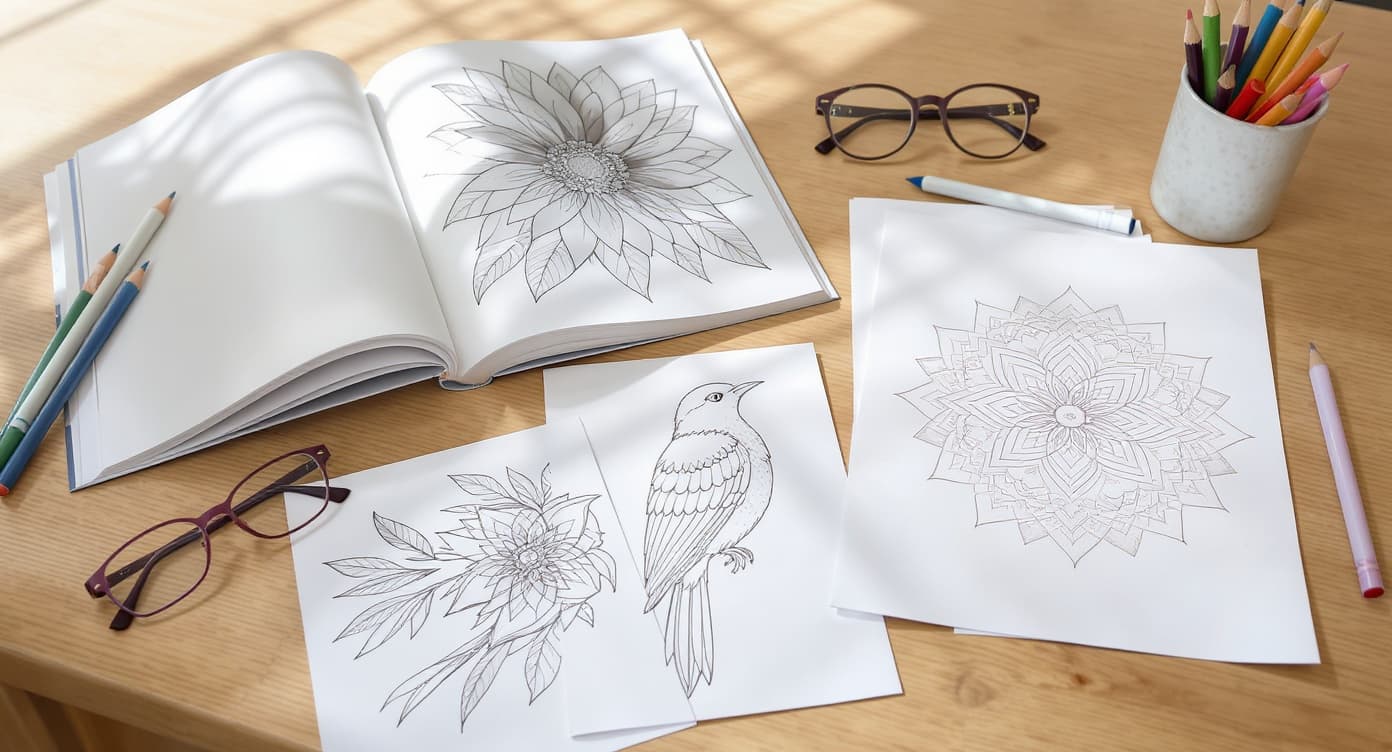
Direct answer
The best coloring books for seniors have readable interiors, bold outlines, larger coloring spaces, respectful adult themes, comfortable page formats, and supplies that are easy to keep nearby. Start with a large-print adult book, simple flowers or nature scenes, cozy pages, simple mandalas, or a spiral-bound book that stays open, then match the book to colored pencils, backing sheets, a lap board, and a small storage setup.
Quick takeaways
- The strongest senior-friendly coloring books feel adult, readable, and easy to start.
- Large-print, spiral-bound, and single-sided pages are often more comfortable than dense paperback books.
- Buy for the person and setting: solo table coloring, lap coloring, library programs, and senior-center groups all need slightly different formats.
- Coloring can be a pleasant screen-free activity, but it should not be framed as medical care or a guaranteed cognitive benefit.
Visual checks
Options to compare
Use these starting points to match the page, paper, and coloring style before you buy anything new.
| Option | Best for | What to know | Compare |
|---|---|---|---|
Large-print adult coloring book Best first senior-friendly format | Clear lines, wider spaces, beginners, and relaxed group activities | Look for adult themes with bold outlines, not tiny detail or childish artwork. | Compare on Amazon |
Simple adult coloring book Best low-pressure option | Short sessions, easy starts, and people who prefer less visual clutter | Preview interior pages to make sure the art is simple but still interesting. | Compare on Amazon |
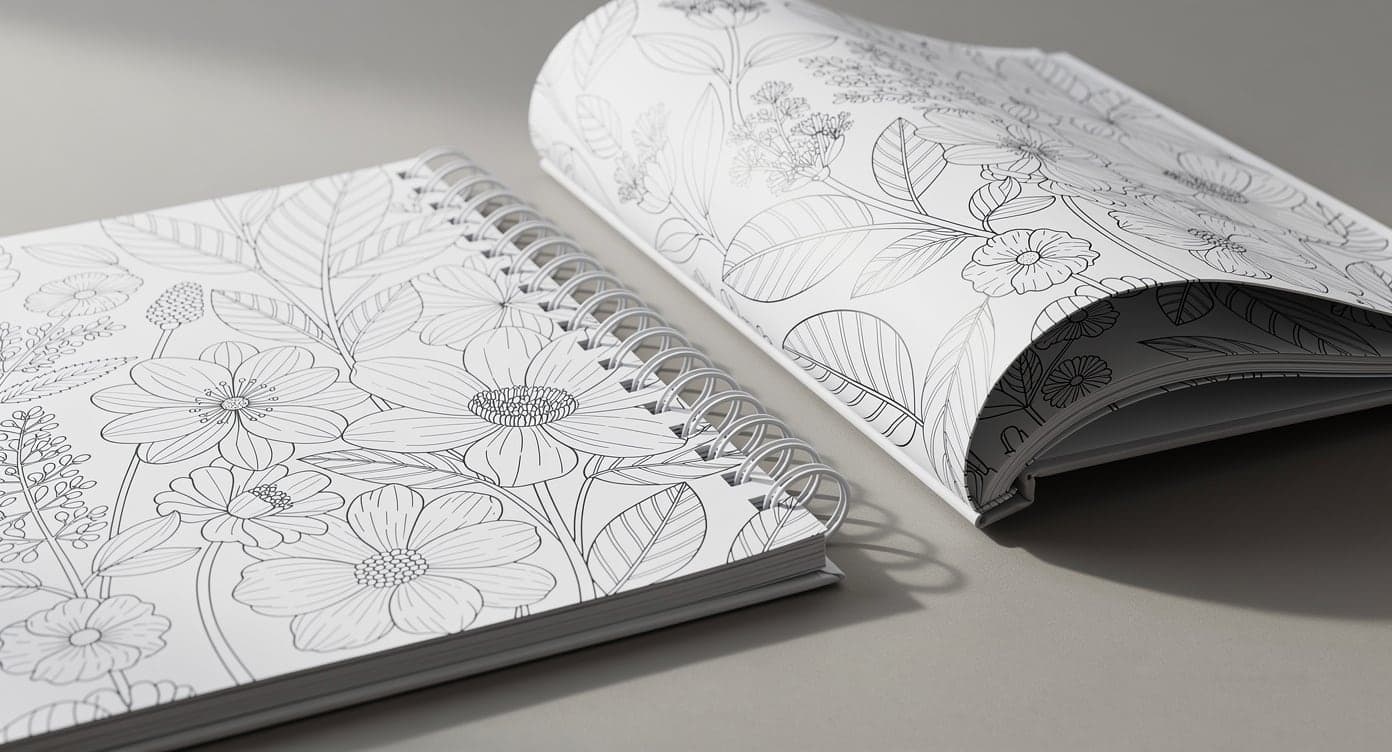
Spiral-bound adult coloring book Best lay-flat option | Desks, lap boards, group tables, and anyone who dislikes holding a book open | Check whether pages are single-sided and whether the spiral sits comfortably for the user. | Compare on Amazon |
Flower and nature coloring book Best familiar theme | Flowers, leaves, birds, gardens, and calm color palettes | Choose pages with open petals and leaves if small detail is tiring. | Compare on Amazon |
Simple mandala coloring book Best repeating-pattern book | Predictable shapes, color repetition, and short quiet sessions | Start with simple mandalas before choosing intricate pattern books. | Compare on Amazon |
Comfort-grip colored pencil set Best first supply pairing | Thin paper, gentle pressure, flowers, mandalas, and books with detail | A 36 to 72 color set with easy-to-hold barrels is usually enough and easier to manage than a huge set. | Compare on Amazon |
Clipboard or lap desk Best comfort helper | Loose printables, lap coloring, library programs, and group tables | A firm surface can make loose pages or books easier to handle. | Compare on Amazon |
Bold-line adult coloring book Best readability upgrade | Readers who want adult themes with stronger outlines and fewer tiny spaces | Look for interior previews that show line weight, not only a polished cover. | Compare on Amazon |
Single-sided adult coloring book Best page protection format | Markers, gel pens, removable pages, display pages, and group activities | Use a backing sheet anyway because single-sided pages do not guarantee marker-safe paper. | Compare on Amazon |
Small art supply caddy Best group table reset helper | Keeping pencils, sharpeners, backing sheets, and finished pages easy to sort | Choose a simple caddy that is easy to pass, reset, and store between sessions. | Compare on Amazon |
Sources and testing notes
This guide compares intended use, paper fit, and practical tradeoffs. It is selection guidance rather than a hands-on product test unless a section says otherwise. Check the merchant page for current materials, set contents, availability, and safety information before buying.
What makes a coloring book senior-friendly
A senior-friendly coloring book should be easy to see, easy to hold open, and pleasant to finish. Clear outlines and larger spaces matter more than a very large page count.
Adult themes are important. Flowers, gardens, birds, pets, cozy rooms, travel scenes, simple mandalas, and nature pages usually feel more respectful than childish pages with tiny novelty details.
The right book depends on the person, not age alone. Some seniors enjoy detailed botanical pages, while others prefer large-print pages that can be finished in one sitting.
Best senior-friendly book styles to compare
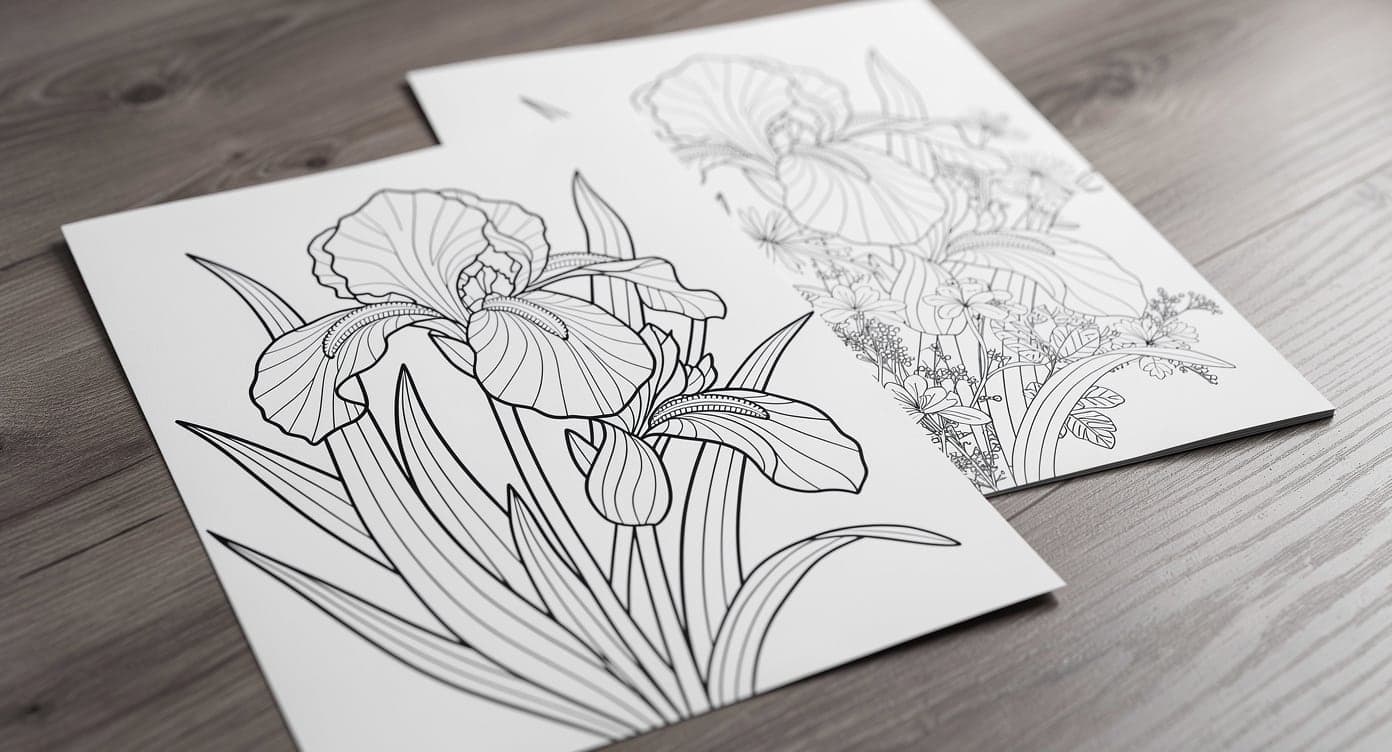
Choose a large-print coloring book when readability and quick starts matter most. Look for bold outlines, open spaces, and cover previews that show real interior page detail.
Choose a spiral-bound or lay-flat book when the book will be used at a table, on a lap board, or in a group. A book that stays open is often more useful than a book with more pages.
Choose simple adult themes when the gift should feel respectful but not complicated. Flowers, gardens, pets, cozy homes, travel scenes, and seasonal pages usually make better first picks than dense fantasy pages.
A simple buying checklist
Check the interior pages first. A senior-friendly book should show actual page previews, not only cover art, so you can judge line weight, spacing, gutters, and theme fit before buying.
Match the book to the setting. A solo coloring book can be more personal and themed, while a senior-center or library table usually works better with clear outlines, familiar subjects, and pages that can be finished in short sessions.
Buy a small setup before a large bundle: one book, one colored pencil set, a sharpener, a backing sheet, and a firm surface. Extra books can wait until the preferred page style is clear.
Large-print, simple, and detailed pages
Large-print books are often the safest first choice because the spaces are wider and the lines are easier to follow.
Simple adult books work well when a page should feel relaxing rather than demanding. They are useful for short sessions, group tables, and anyone who wants less decision fatigue.
Detailed books can still be a good fit for experienced colorists. Choose them when the person enjoys careful work and has supplies that make small spaces comfortable.
Binding and page format
Spiral-bound and lay-flat books can be easier because they stay open without much pressure. This matters at group tables, on lap desks, and during longer sessions.
Single-sided pages are useful if markers, gel pens, or removable finished pages matter. Double-sided books usually work best with colored pencils and lighter pressure.
Perforated pages can help when finished pages will be displayed, shared, or colored away from the book. Still check paper quality, because perforation does not guarantee marker-safe paper.
Themes that usually work well
Flowers, leaves, birds, butterflies, gardens, pets, simple landscapes, cozy rooms, and seasonal pages are strong first themes because they are familiar and easy to color in a small palette.
Simple mandalas and geometric patterns are useful when repetition feels pleasant. Choose wide rings and clear sections instead of dense lace-like designs.
Avoid assuming one theme fits every senior. A former gardener, traveler, teacher, or animal lover may enjoy a book that connects to a familiar interest.
Supplies and setup
Colored pencils are the easiest first supply because they work on more paper types and give control without bleed-through. A medium set is easier to manage than a giant tray of colors.
Water-based markers can work on large-print or single-sided pages, but use a backing sheet and test first. Alcohol markers need more paper care and are not the best first choice for most senior-friendly book setups.
Keep the setup small: one book or folder, a medium pencil set, a sharpener, a backing sheet, a firm surface, and a caddy or pouch. Too many supplies can make the activity harder to start.
If gripping small pencils is tiring, look for larger barrels, softer cores, or simple pencil grips. The goal is comfort and control, not the biggest color count.
What to avoid
Avoid books with tiny detail, narrow gutters, faint lines, or cover previews that do not show interior pages. Those problems matter more than a long page count.
Avoid childish themes unless the person specifically enjoys them. Senior-friendly coloring should feel adult and respectful, even when the pages are simple.
Avoid product promises that sound medical, therapeutic, or guaranteed. A coloring book can be a pleasant activity without being presented as treatment or cognitive care.
Caregiver, library, and senior-center use
For group activities, choose pages with clear outlines and medium detail. Print or provide a few options rather than a large stack of similar pages.
Set out a limited palette and keep supplies in cups or caddies. This makes sharing easier and reduces the time spent sorting colors before the activity begins.
Use simple table stations: books or loose pages in one spot, pencils in cups, sharpeners in one place, and finished pages in a folder or display tray. The easier the reset, the more likely the activity can repeat.
Keep claims simple when describing the activity. Coloring can be a quiet creative routine or social activity, but it should not be promoted as treatment for dementia, anxiety, depression, or any medical condition.
Printable resource
Adult coloring setup checklist
Build a small adult coloring kit with pages, paper, pencils, lighting, storage, and an easy reset routine.
Coloring paper weight cheat sheet
Compare paper types before printing adult pages, kids pages, or marker-heavy designs.
Colored pencil storage checklist
Use this quick reset sheet to choose storage, sort colors, and keep pencils ready for the next page.
Finished coloring page display and storage
Decide whether finished pages should be displayed, stored flat, scanned, gifted, reused, or recycled.
Library coloring program table reset checklist
Reset library coloring program tables with paper restock, cap checks, dull pencils, finished page routing, no-name pages, cleanup supplies, source notes, and volunteer handoff.
FAQ
What type of coloring book is best for seniors?
Large-print adult coloring books, simple nature books, flower books, cozy scenes, simple mandalas, and spiral-bound books are often good first choices because they are easier to see and start.
Are large-print coloring books better for seniors?
They are often easier to start because the lines are clearer and the spaces are wider. Some seniors still prefer detailed books, so match the book to the person.
Are simple adult coloring books childish?
They do not have to be. Look for simple adult themes such as flowers, gardens, birds, homes, holidays, travel, and gentle patterns instead of childish novelty art.
Are coloring books good for dementia?
Coloring can be a pleasant activity for some people, but it should not be treated as dementia care or medical treatment. Ask a care professional for activity guidance when health needs are involved.
Should seniors use colored pencils or markers?
Colored pencils are usually the safest first choice because they work on more paper types. Markers are brighter and faster but need single-sided pages, paper testing, and a backing sheet.
Are spiral-bound coloring books easier to use?
They can be easier because they lie flat or fold back. They are especially useful at tables, on lap boards, and when holding a paperback book open is annoying.
What themes are good for senior coloring activities?
Flowers, gardens, birds, pets, cozy scenes, simple landscapes, holidays, and simple mandalas are practical themes because they are familiar and easy to explain.
What supplies make coloring easier on a lap or group table?
A firm lap board or clipboard, comfort-grip or soft colored pencils, a sharpener, backing sheets, and a small storage caddy usually make setup easier without adding too many choices.
How many coloring book choices should a senior group offer?
Offer a small set of three to five page styles: large-print flowers, nature, simple mandalas, cozy scenes, and one seasonal option. Too many choices can slow the start of the activity.
What should I buy with a senior-friendly coloring book?
Start with soft colored pencils, a sharpener, a backing sheet, a clipboard or lap desk, and a small caddy or pouch. Add markers only after checking the page format and paper.