
Colored Pencils vs Markers for Adult Coloring
Compare colored pencils vs markers for adult coloring by paper safety, detail control, bleed-through risk, color payoff, hand comfort, speed, and what to buy first.
 Written byM.R. SilvermanUpdated July 6, 2026 7 min read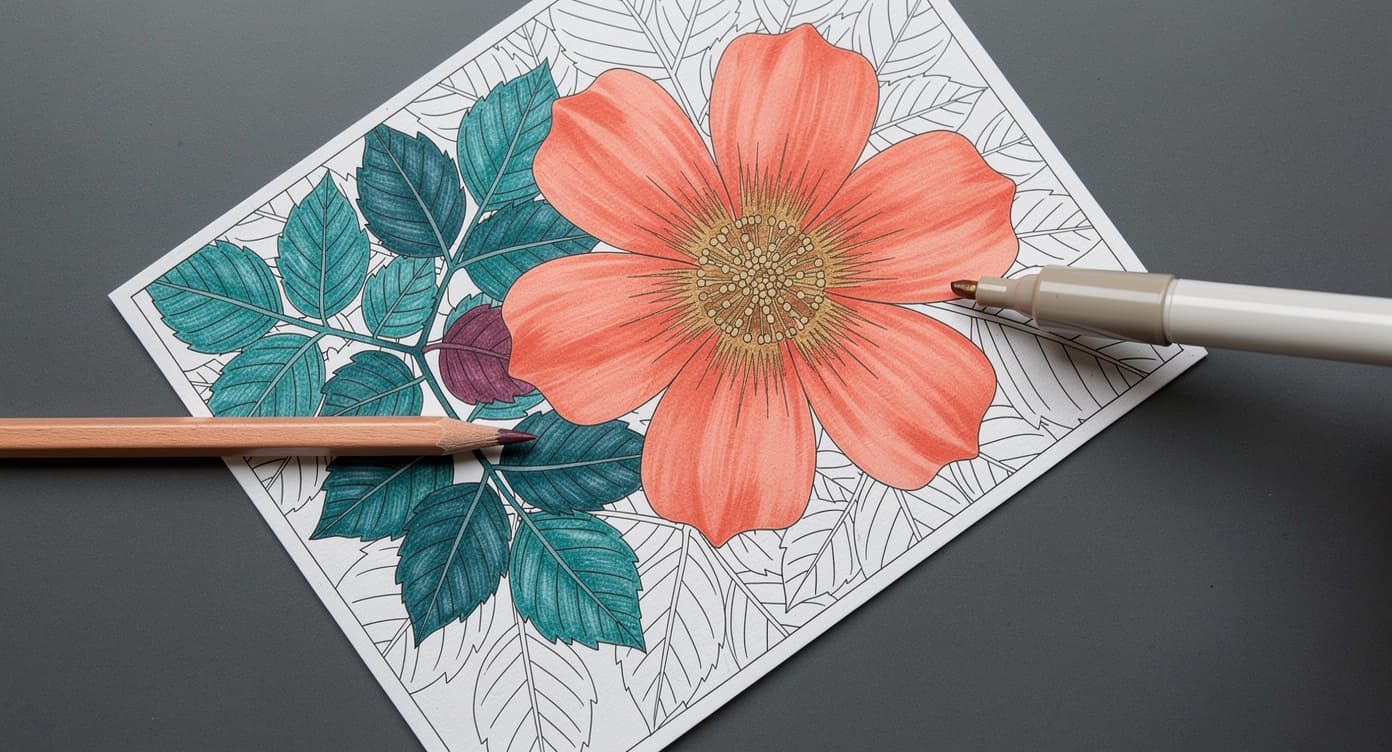
Direct answer
For most adult coloring books, colored pencils are the better first buy because they work on thin paper, detailed art, and double-sided books with less bleed-through risk. Markers are better for bold color, fast fills, lettering pages, and single-sided printables, but they need tested paper, a backing sheet, and more care around ink transfer.
Quick takeaways
- Choose colored pencils first when the paper is thin, double-sided, highly detailed, textured, or unknown.
- Choose water-based markers for bright color on larger spaces, simple single-sided pages, and lower-risk marker practice.
- Save alcohol markers for single-sided printables, marker paper, smooth cardstock, or pages where bleed-through will not ruin another design.
- Many adult pages work best with both: markers for large flat areas, pencils for shading, edges, gradients, and texture.
Visual checks
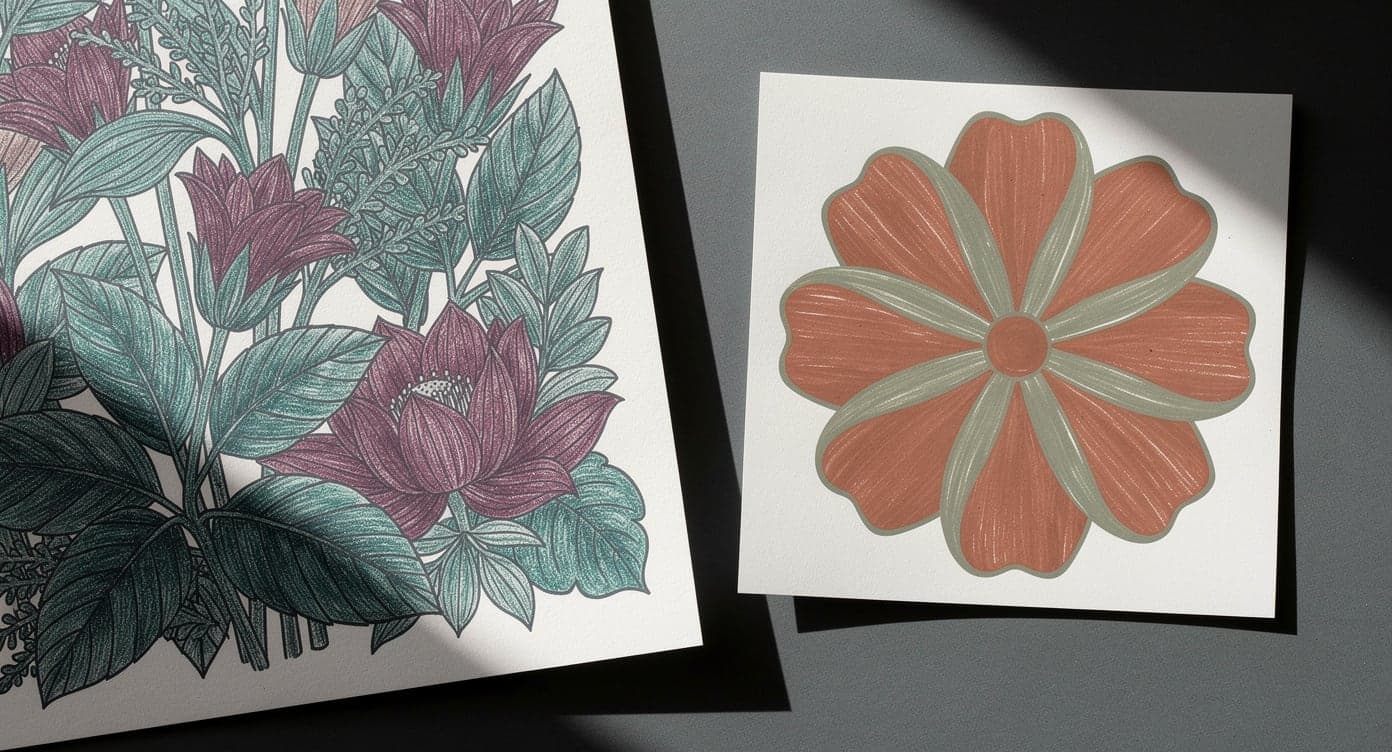
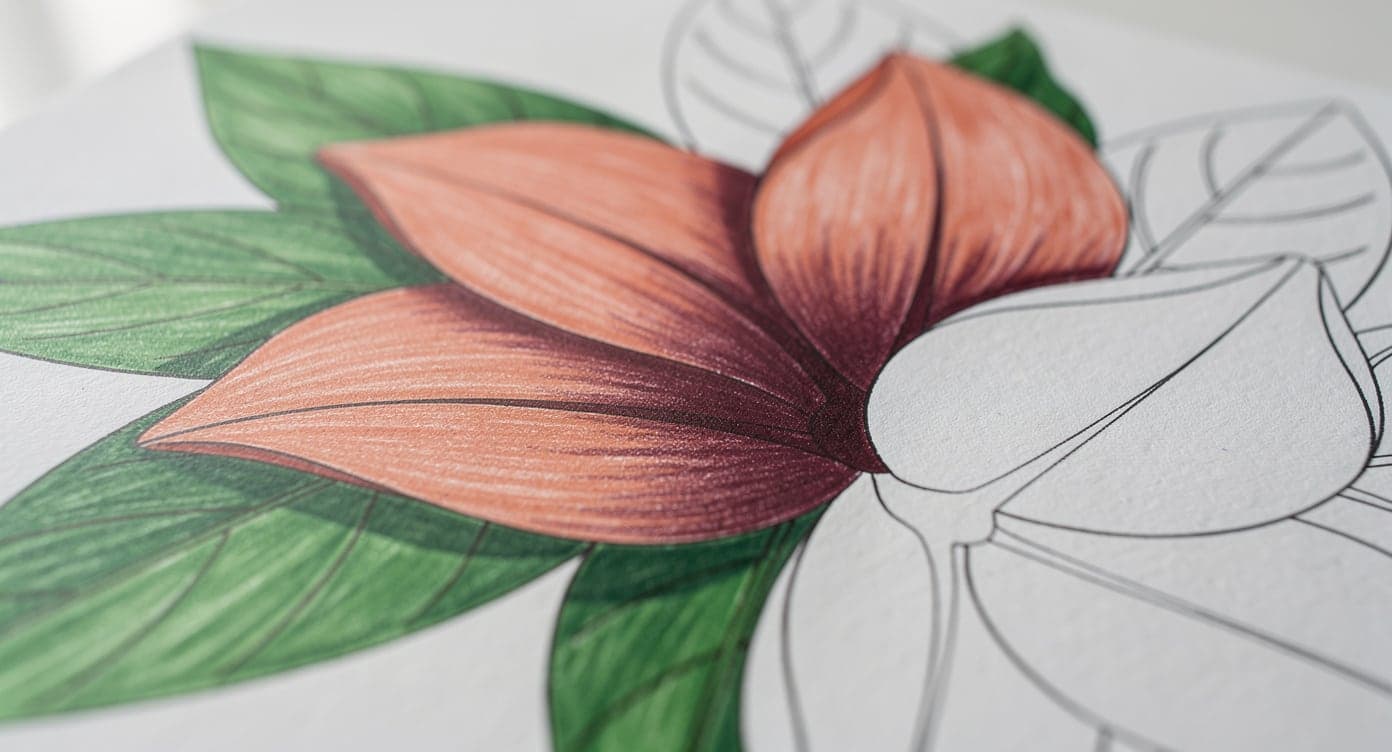
Options to compare
Use these starting points to match the page, paper, and coloring style before you buy anything new.
| Option | Best for | What to know | Compare |
|---|---|---|---|
Soft colored pencil set Best controlled first choice | Detailed adult coloring books, thin paper, florals, mandalas, small spaces, and quiet sessions | A 36 to 72 color set is enough for most adult pages before upgrading to larger sets. | Compare on Amazon |
Blending pencil or colorless blender Best pencil upgrade | Smoother pencil layers, softer gradients, and finished adult pages | Buy this after you know you enjoy pencils; it is not required for the first week. | Compare on Amazon |
Water-based marker set Best everyday marker option | Bold color, larger spaces, simple adult printables, lettering pages, and lighter marker use | Use a backing sheet, test first, and avoid soaking one area repeatedly. | Compare on Amazon |
Alcohol marker starter set Best tested-paper marker option | Single-sided printables, marker paper, smooth fills, and blending practice | Do not buy this first if most of your books are double-sided or printed on thin paper. | Compare on Amazon |
Heavyweight printer paper Best printable upgrade | Adult printable pages, pencil layering, light marker use, and test copies | Choose paper your printer can feed reliably before buying a large pack. | Compare on Amazon |
Smooth cardstock Best marker-heavy printable paper | Single-sided printable pages, bolder markers, cards, gift tags, and display pages | Use one printer and marker test before loading a full stack. | Compare on Amazon |
Marker backing sheet Best protection habit | Bound books, thin pages, marker tests, and single-sided printable setups | A backing sheet protects the next page but does not make thin paper bleed-proof. | Compare on Amazon |
Sources and testing notes
This guide compares intended use, paper fit, and practical tradeoffs. It is selection guidance rather than a hands-on product test unless a section says otherwise. Check the merchant page for current materials, set contents, availability, and safety information before buying.
Fast decision table
Use colored pencils when the page has small details, thin paper, double-sided art, textured paper, or a calm session where control matters more than speed.
Use water-based markers when the page has larger spaces, single-sided printing, lettering, or a simple design that benefits from brighter color without the setup of alcohol markers.
Use alcohol markers only when the page and paper are ready for them. They can look smooth and vibrant, but they need marker-friendly paper, smooth cardstock, or a tested printable setup.
Use both when the design has large open shapes and fine detail. Markers can lay down the first flat color, then colored pencils can add edges, shadows, texture, and softer gradients after the ink dries.
Quick comparison by adult page type
Detailed mandalas, florals, animals, and double-sided books usually favor colored pencils. They let you shade slowly, keep edges controlled, and avoid damaging the design on the back of the sheet.
Large flowers, posters, lettering pages, and simple single-sided printables can favor markers. The color payoff is faster, but the paper must be ready for wet ink.
Printable adult coloring pages give you the most flexibility. Print one copy on ordinary paper for pencils, then use heavyweight paper or smooth cardstock if you want to test markers.
If you are buying one supply first, buy colored pencils. If you are adding a second supply, choose a small water-based marker set before committing to large alcohol marker collections.
Where colored pencils win
Colored pencils are forgiving. They work on most coloring book paper, they are easier to control in small spaces, and they are less likely to damage the next page.
They also fit relaxed adult coloring because the pace is slower. You can shade lightly, build color gradually, take breaks, and stop without worrying about wet ink drying on the page.
The tradeoff is time. Large backgrounds, bold posters, and very open designs can feel slow with pencils unless the set is soft enough and the paper takes color well.
Where markers win
Markers are fast and vivid. They fill large petals, lettering, geometric shapes, and simple printable pages with less hand pressure than pencils.
Water-based markers are usually the easier first marker option for casual coloring. Alcohol markers are better for smooth fills and blending, but they are more demanding about paper.
The tradeoff is bleed-through risk. A marker that works nicely on cardstock can ruin a thin double-sided book. Always test the marker and paper together before coloring a page you care about.
Markers also reduce hand fatigue on large spaces because they cover faster, but they are less forgiving near tiny details unless the tip is fine and the paper keeps edges crisp.
Paper decides more than people expect
Thin double-sided coloring books usually favor colored pencils. Single-sided printable pages give you more room to use markers because you can choose the paper first.
Heavyweight printer paper is a good middle ground for adult printables. Smooth cardstock is better for marker-heavy pages, finished pages, and pages you may frame or gift.
A backing sheet is useful with any marker. It protects the next page or table surface, but it does not change how the top sheet handles ink.
If the paper source is unknown, treat markers as a test-only supply. Use a corner, swatch sheet, or duplicate printable before committing to a full page.
Best mixed-media order
When using both supplies, start with the marker areas first. Let the ink dry fully, then add colored pencil shading, texture, outlines, and small corrections.
Do not press hard with pencils over damp marker ink. The paper can pill, smear, or become shiny. A short drying pause is safer than trying to blend immediately.
Keep the first mixed-media page simple: one marker base color, one shadow pencil, and one highlight pencil. This shows whether your paper can handle the combination before you use it on a detailed design.
Beginner buying advice
If you are buying one supply first, choose colored pencils. They work on more pages, require less setup, and give you time to learn which page styles you enjoy.
If you already enjoy bold color, add a small water-based marker set before buying large alcohol marker collections. Keep the first marker set small enough that you can learn which paper handles it well.
Add alcohol markers only after you have a single-sided printable setup, marker paper, or smooth cardstock that passes a bleed-through test.
For shared family supplies, look for clear age guidance and recognized art-material labeling. ACMI AP and CL seals are useful signals to notice, especially when supplies are used by kids or mixed-age groups.
Printable resource
Marker bleed-through test sheet
Use this printable swatch sheet before coloring a full page with markers.
Coloring paper weight cheat sheet
Compare paper types before printing adult pages, kids pages, or marker-heavy designs.
Beginner color palette cards
Print small palette cards for mandalas, flower pages, cozy scenes, kids tables, and seasonal printables.
Coloring page printer settings checklist
Choose scale, margin, grayscale, quality, paper type, and test print settings before batching pages.
FAQ
Are colored pencils or markers better for adult coloring books?
Colored pencils are usually better for adult coloring books with thin paper, detailed pages, or double-sided art. Markers are better for bold color and fast fills when the page is single-sided or printed on heavier paper.
Which is better for thin adult coloring book paper?
Colored pencils are usually better for thin adult coloring book paper because they do not bleed through the way markers can. Use markers only after a test and place a backing sheet behind the page.
Do markers bleed through adult coloring books?
They can, especially on thin or double-sided paper. Use a backing sheet and test the marker before coloring the final page.
Should beginners start with pencils or markers?
Most beginners should start with colored pencils because they work on more paper types and are easier to control. Add markers later if you want brighter color or faster fills.
Can I use both colored pencils and markers on the same page?
Yes. Many colorists use markers for larger flat areas and colored pencils for shading, details, and texture. Test the paper first and let marker ink dry before adding pencil layers.
Are alcohol markers better than colored pencils for adult coloring?
Alcohol markers are better for smooth bold fills on marker-friendly single-sided paper. Colored pencils are better for thin paper, double-sided books, small details, and lower-risk beginner coloring.
What should I buy first for adult coloring?
Buy a soft colored pencil set first if you color books with unknown or double-sided paper. Add water-based markers next for bold areas, then consider alcohol markers only after you have tested paper.
Are colored pencils or markers better for relaxing adult coloring?
Colored pencils are often easier for slow, quiet coloring because they give more control and less paper risk. Markers can still feel relaxing on simple single-sided pages when the paper has already been tested.