
Coloring Books for Anxious Adults
Choose calming adult coloring books by page style, theme, difficulty, binding, paper, and simple supplies without treating coloring as medical care.
 Written byM.R. SilvermanUpdated July 3, 2026 6 min read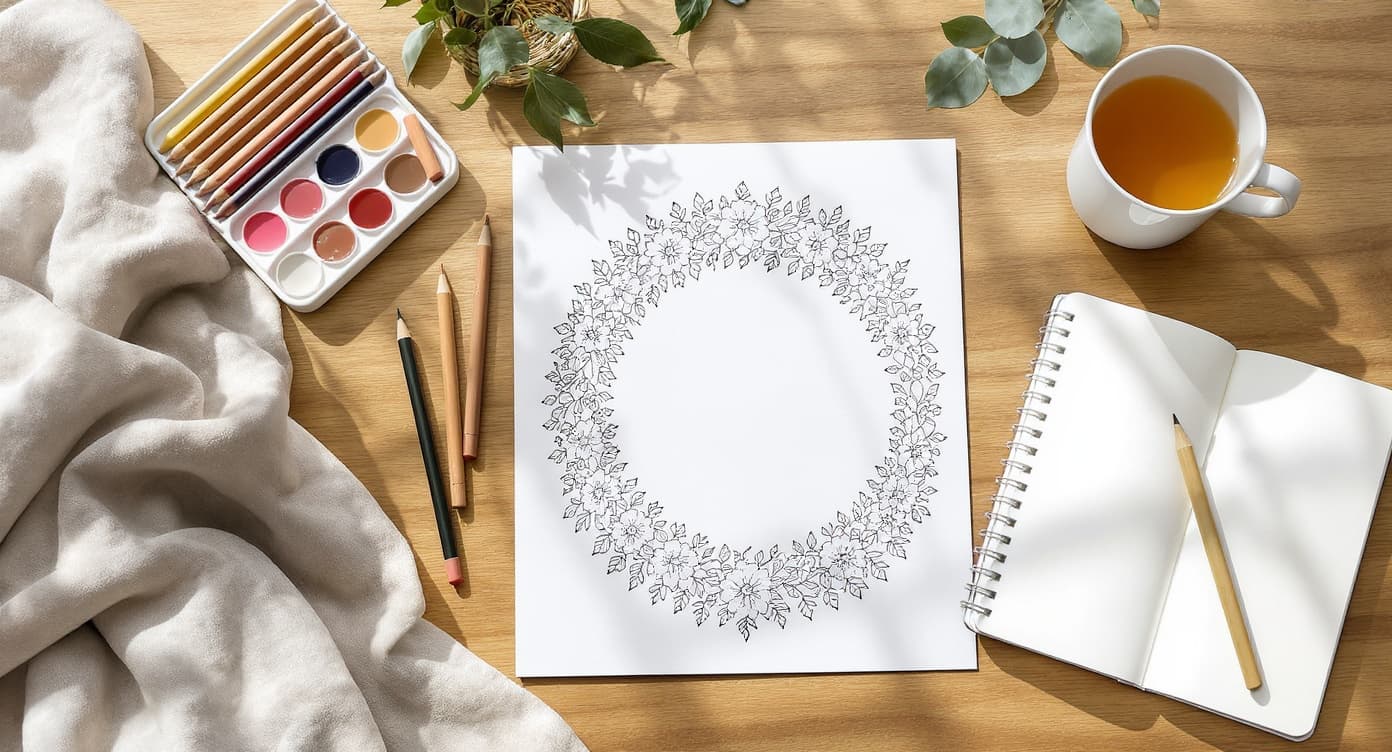
Direct answer
The best coloring books for anxious adults are easy to open, gentle to color, and low pressure to finish. Look for clear line art, familiar themes, manageable detail, and supplies that make coloring feel simple. Coloring can be a calm screen-free activity, but it should not be treated as anxiety treatment or a substitute for professional support.
Quick takeaways
- Choose a book that reduces decisions: clear lines, familiar themes, and pages that feel finishable.
- Easy adult books, large-print pages, simple mandalas, flowers, nature, and cozy scenes are usually safer first picks than very intricate art.
- Use careful language around anxiety: coloring may feel calming for some adults, but it is not medical care.
Visual checks
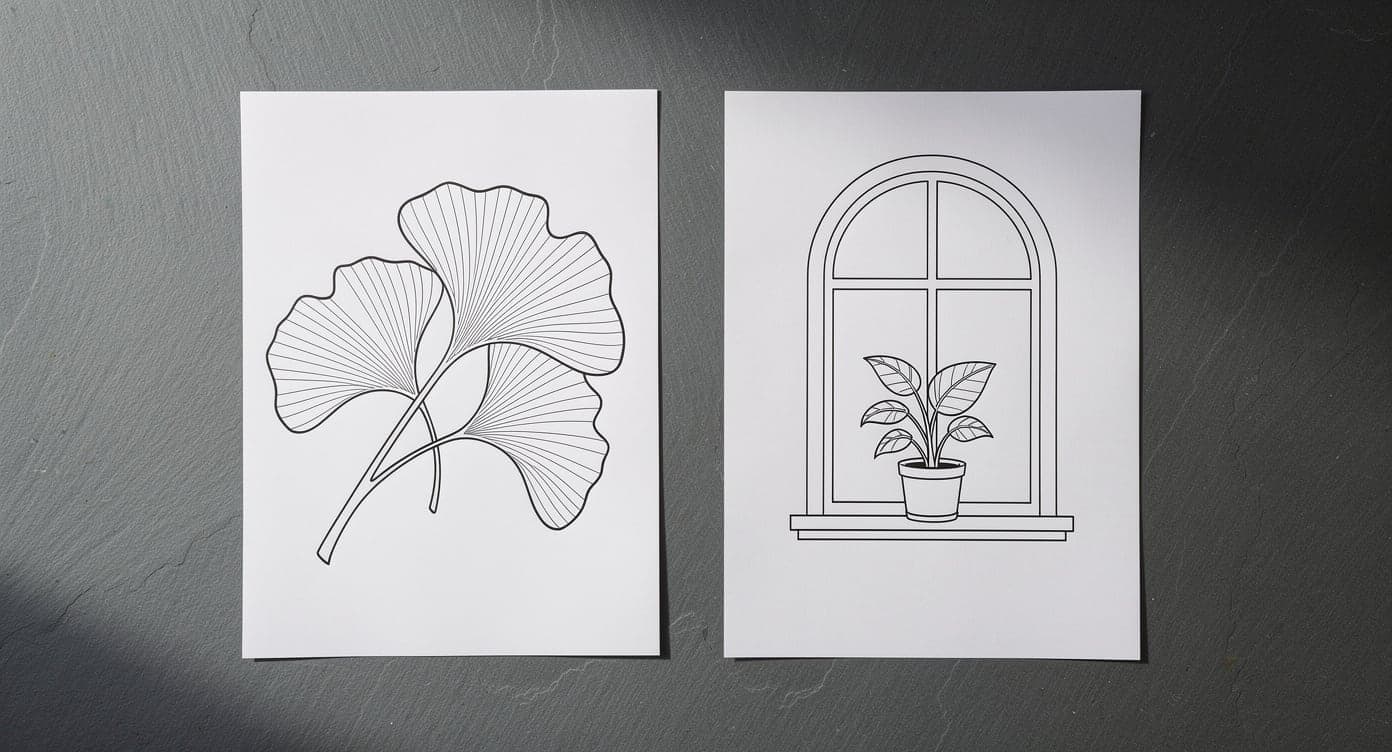
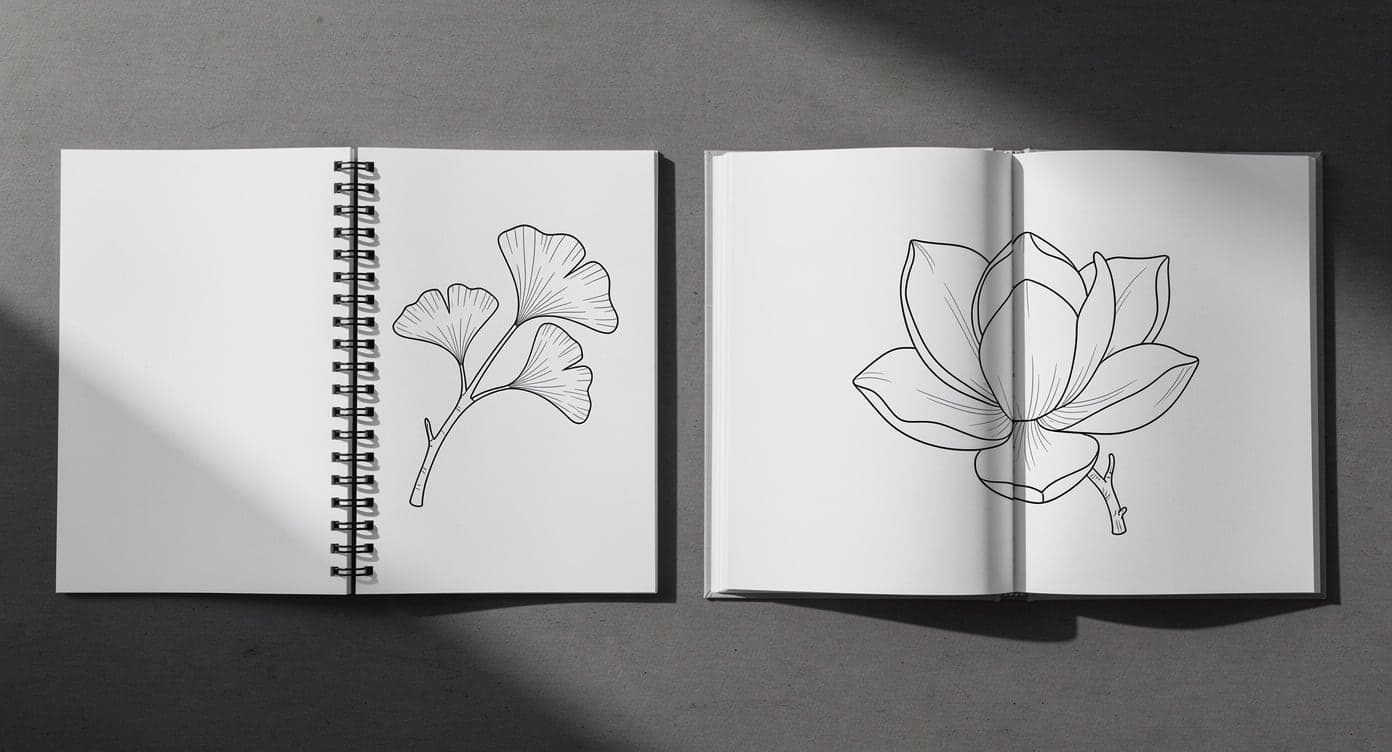
Options to compare
Use these starting points to match the page, paper, and coloring style before you buy anything new.
| Option | Best for | What to know | Compare |
|---|---|---|---|
Easy adult coloring book Best first low-pressure choice | Short sessions, beginners, and days when detailed pages feel like too much | Look for interior previews with open spaces and clear outlines. | Compare on Amazon |
Large-print adult coloring book Best comfort format | Wider spaces, tired eyes, and people who want fewer tiny details | Choose adult themes with bold lines instead of childish novelty pages. | Compare on Amazon |
Nature and flower coloring book Best familiar theme | Florals, leaves, birds, gardens, soft palettes, and quiet evening pages | A mix of simple and medium-detail pages gives you more flexibility. | Compare on Amazon |
Simple mandala coloring book Best repeating-pattern option | Predictable shapes, limited palettes, and small focus sessions | Start with simple mandalas before buying dense geometric books. | Compare on Amazon |
Cozy adult coloring book Best mood-based pick | Bookshelves, mugs, cottages, pets, rooms, and gentle story-like scenes | Choose cozy pages with enough open space to color without planning every object. | Compare on Amazon |
Spiral-bound or lay-flat coloring book Best easy-start format | Desk coloring, lap boards, and anyone who dislikes holding a paperback open | Check whether pages are single-sided and whether the binding stays comfortable. | Compare on Amazon |
Soft colored pencil set Best simple supply pairing | Thin paper, gentle pressure, small spaces, and quiet coloring sessions | A 36 to 72 color set is usually enough without creating too many choices. | Compare on Amazon |
Sources and testing notes
This guide compares intended use, paper fit, and practical tradeoffs. It is selection guidance rather than a hands-on product test unless a section says otherwise. Check the merchant page for current materials, set contents, availability, and safety information before buying.
Start with a careful expectation
Coloring can be a pleasant screen-free activity for some adults. It can give your hands something simple to do, create a small finished result, and offer a break from scrolling or multitasking.
That does not make a coloring book a treatment for anxiety. Avoid books, pages, or product claims that promise to cure, treat, or replace professional mental health support.
A good calm coloring book should make the first five minutes easy. It should not require perfect shading, expensive supplies, or a long uninterrupted session.
Choose by energy level
For low-energy days, choose large-print pages, simple flowers, wide mandalas, or cozy scenes with a few large objects. These pages are easier to start and easier to stop without feeling unfinished.
For days when you want more focus, choose botanical pages, detailed patterns, or books with repeating shapes. The goal is still a comfortable activity, not a test of skill.
Keep one easy book beside any detailed book. That gives you a fallback when a beautiful page feels like too many decisions.
Themes that usually feel gentle
Flowers, leaves, birds, gardens, simple animals, cozy rooms, book nooks, cottages, mugs, and soft seasonal scenes are strong first themes because they are familiar and do not need much explanation.
Simple mandalas and repeating patterns can work well when repetition feels pleasant. Choose wide sections and clear rings rather than dense lace-like designs.
Avoid choosing a book only because the cover says calm. Preview interior pages whenever possible. The actual line density, paper, and theme matter more than the marketing phrase on the cover.
Paper, binding, and page format
Single-sided pages are easier if you want to use markers, remove finished pages, or avoid worrying about the design on the back. Double-sided books usually pair better with colored pencils.
Spiral-bound and lay-flat books can reduce friction because they stay open on a desk or lap board. Perforated pages are useful if you want to save or display finished pages.
If you prefer printable pages, use a test page first. Paper weight, printer ink, and marker type all change how a page feels once you start coloring.
Supplies that keep the routine simple
Colored pencils are the safest first supply because they work on most paper and let you color gently without bleed-through worries.
Water-based markers can be useful for bold, open pages. Use them with single-sided pages, a backing sheet, and a quick test. Alcohol markers need more paper care and are rarely the easiest first choice.
Keep the setup small: one book, one pencil set, a sharpener, a backing sheet, and a folder or case. A small setup is easier to repeat than a large supply collection.
Build a low-pressure coloring routine
Set a tiny session goal. Color one flower, one corner, one mandala ring, or one object in a cozy scene instead of trying to finish a full page.
Use a limited palette when choices feel tiring. Three to five colors can make a page feel more settled and reduce the urge to overthink every space.
Stop while the page still feels pleasant. Coloring works best as a repeatable quiet activity, not as another project you have to complete perfectly.
When coloring is not enough
A coloring book can sit beside healthier routines, but it should not replace medical advice, therapy, medication guidance, crisis support, or professional care.
If anxiety feels intense, persistent, unsafe, or hard to manage day to day, use professional support instead of relying on a hobby or product claim.
The most honest way to use coloring is simple: a quiet creative break, a small page, and supplies that make it easy to begin.
Printable resource
Adult coloring setup checklist
Build a small adult coloring kit with pages, paper, pencils, lighting, storage, and an easy reset routine.
Coloring paper weight cheat sheet
Compare paper types before printing adult pages, kids pages, or marker-heavy designs.
Colored pencil storage checklist
Use this quick reset sheet to choose storage, sort colors, and keep pencils ready for the next page.
FAQ
Are coloring books good for anxiety in adults?
Coloring may feel calming for some adults, especially when the page is simple and the routine is low pressure. It is not anxiety treatment or a replacement for professional support.
What type of coloring book is best when I feel anxious?
Easy adult books, large-print pages, flowers, nature themes, simple mandalas, and cozy scenes are practical first choices because they are familiar and easier to start.
Are anxiety coloring books therapy?
No. A coloring book can be a quiet activity, but it is not the same as therapy or care from a licensed professional.
Are mandalas or scenes better for calm coloring?
Choose mandalas if repeating shapes feel helpful. Choose cozy scenes, flowers, or nature pages if familiar objects feel easier to color.
Are colored pencils or markers better for anxious coloring sessions?
Colored pencils are usually the easiest first choice because they work on more paper types and require less setup. Markers are brighter but need testing and a backing sheet.
How do I avoid making coloring feel like another task?
Pick a page with clear lines, use a small palette, and set a tiny goal such as one flower or one corner. Finishing a small part is enough.