
Cardstock vs Marker Paper for Coloring Pages
Compare cardstock vs marker paper for printable coloring pages by printer fit, marker type, bleed-through risk, blending, finished-page use, and cost.
 Written byM.R. SilvermanUpdated July 7, 2026 7 min read
Direct answer
Use smooth cardstock when you want printable coloring pages that feel sturdy, display well, and can handle light to moderate marker use after a printer test. Use marker paper when alcohol markers, blending practice, smooth ink flow, or swatches are the main goal. For most home printables, heavyweight printer paper plus a backing sheet is the practical middle ground.
Quick takeaways
- Cardstock is usually the better everyday upgrade for printable pages, cards, tags, and finished pages you want to keep.
- Marker paper is better for alcohol marker practice, blending, gradients, and testing ink behavior before a final page.
- Printer compatibility matters as much as paper type because some thick cardstock and marker pads do not feed cleanly.
- A backing sheet is still useful with both cardstock and marker paper because ink transfer varies by marker, pressure, and layering.
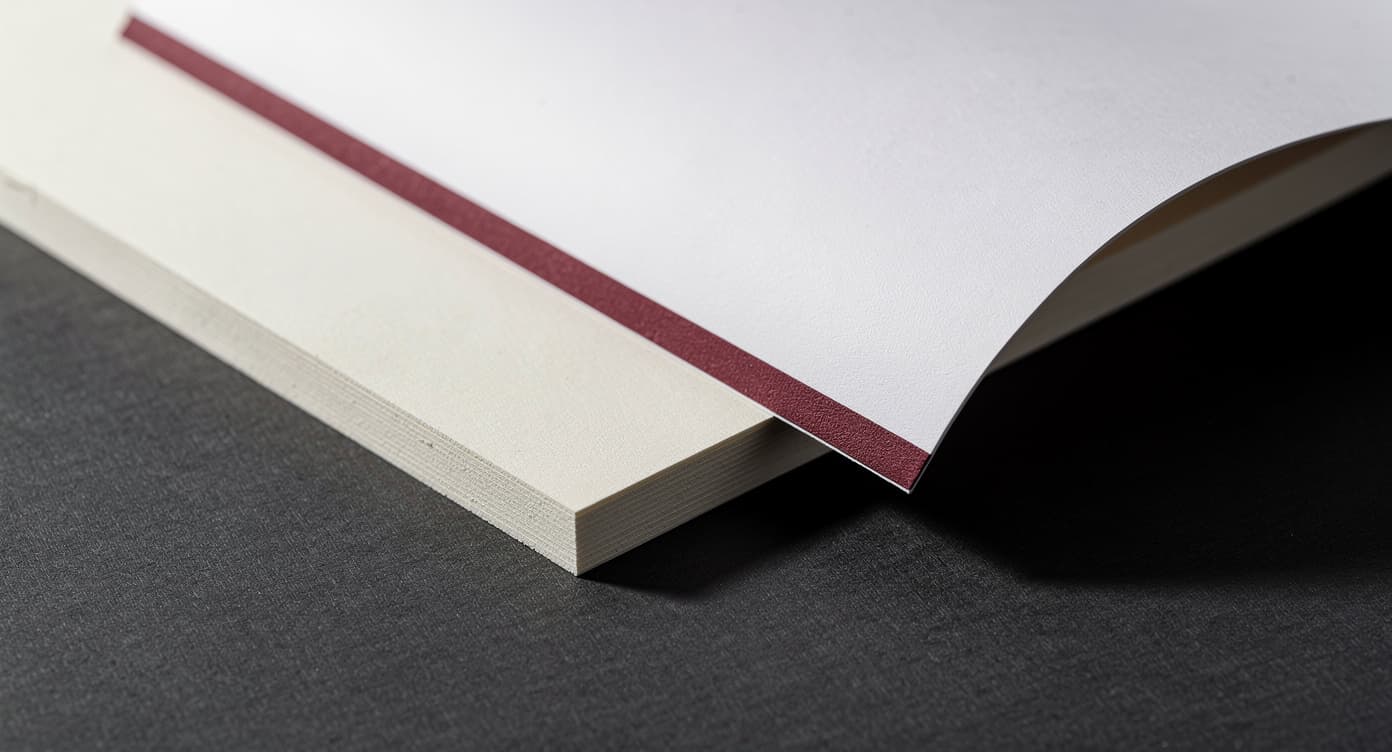
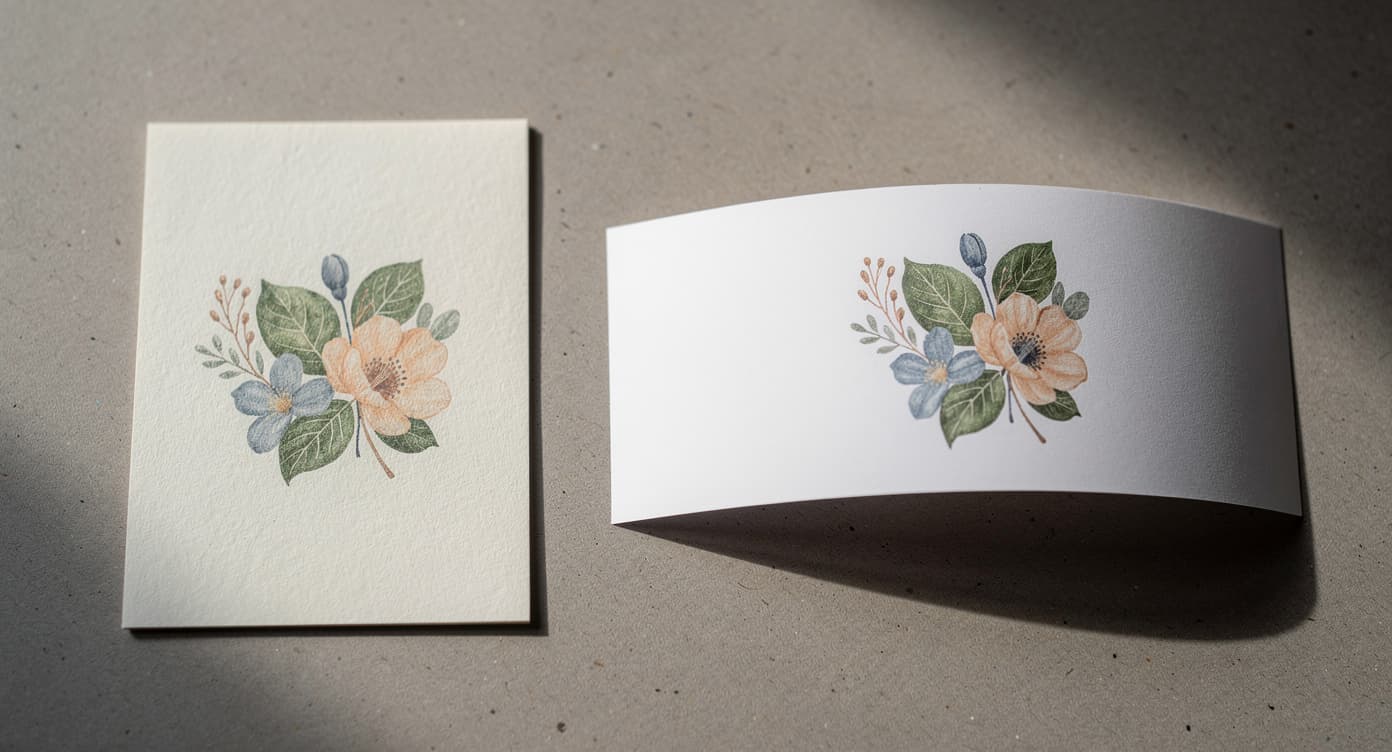
Visual checks
Options to compare
Use these starting points to match the page, paper, and coloring style before you buy anything new.
| Option | Best for | What to know | Compare |
|---|---|---|---|
Smooth white cardstock Best finished-page upgrade | Printable coloring pages, cards, tags, display pages, and moderate marker use | Check your printer paper-weight limit first, then test one dark marker area before printing a full pack. | Compare on Amazon |
Printer-friendly marker paper Best marker-specific printable option | Printable pages where smoother marker color matters more than low cost | Confirm sheet size, printer compatibility, drying behavior, and line sharpness before buying in bulk. | Compare on Amazon |
Alcohol marker paper pad Best practice surface | Swatches, blending drills, gradients, and learning a marker set | A pad is useful for practice, but not every marker pad is intended for home printers. | Compare on Amazon |
Heavyweight printer paper Best everyday middle ground | Colored pencils, gel pens, light water-based marker use, and lower-cost printable batches | Choose this before specialty paper when you need an affordable upgrade from ordinary copy paper. | Compare on Amazon |
Marker backing sheet Best protection habit | Bound books, test pages, cardstock printables, marker paper, and shared tables | A backing sheet protects the next page or table, but it does not make the top sheet bleed-proof. | Compare on Amazon |
Cardstock sample pack Best printer test option | Finding the heaviest smooth sheet your printer can feed without jamming | Test one sheet from each weight before committing to a large ream for coloring pages. | Compare on Amazon |
Clear page protectors Best storage helper | Keeping cardstock tests, marker swatches, and finished printable pages separated | Use sleeves for storage, not as a substitute for testing the actual paper and marker. | Compare on Amazon |
Sources and testing notes
This guide compares intended use, paper fit, and practical tradeoffs. It is selection guidance rather than a hands-on product test unless a section says otherwise. Check the merchant page for current materials, set contents, availability, and safety information before buying.
Quick decision table
Choose cardstock when the page will be printed at home, colored once, saved, displayed, turned into a card, or used with light to moderate marker color.
Choose marker paper when the main goal is smoother ink flow, alcohol marker blending, swatches, gradients, or learning how a marker set behaves before using it on a final page.
Choose heavyweight printer paper when the page is mostly colored pencil, gel pen, crayon, or light water-based marker use and you want a practical upgrade without specialty paper.
Choose a backing sheet with every marker setup. It is cheap insurance for the page underneath and it tells you quickly when ink is transferring too much.
Where cardstock wins
Smooth cardstock is the most useful upgrade for many home printable coloring pages because it feels sturdy, prints cleanly when the printer can feed it, and works for saved pages, cards, gift tags, and display pieces.
It is especially helpful when a page has larger shapes, light water-based marker areas, gel pen accents, or finished-page projects that need the paper to hold its shape.
The tradeoff is printer fit. Very thick cardstock can curl, jam, or print unevenly in some home printers, so the best cardstock is the heaviest smooth sheet your own printer handles cleanly.
Where marker paper wins
Marker paper is strongest when ink behavior is the point. It helps with swatches, alcohol marker practice, gradients, and smoother fills because it is made for wet marker movement.
It is not automatically the best printable coloring page paper. Some marker pads are excellent for drawing by hand but are not meant for home printers, and some printable marker papers need careful printer settings.
Use marker paper when you know the marker is the star of the page. Use cardstock when the printable page, finished project, or home printer workflow matters more.
Best paper by marker type
For washable and water-based markers, heavyweight paper or smooth cardstock is usually enough for printable pages when the coloring is not soaked or layered heavily.
For brush markers, test both the fine tip and broad tip. A broad tip can saturate cardstock quickly even when fine lines look clean.
For alcohol markers, regular copy paper is only a test surface. Use marker paper for practice, printer-friendly marker paper for printable tests, or smooth cardstock when your printer and bleed test both pass.
Printer tests before buying in bulk
Print one detailed page and one simple page on the paper you are considering. Check whether the printer feeds the sheet straight, keeps the lines crisp, and avoids smearing or edge shadows.
Then do the marker test on the printed sheet: one quick line, one filled shape, one dark color, and one second layer after drying. Turn the page over and check the backing sheet.
If cardstock feeds poorly, step down to heavyweight printer paper. If marker paper prints poorly, keep it for swatches and practice instead of forcing it into the printable workflow.
Cost and storage tradeoffs
Cardstock costs more than standard printer paper but less than many specialty marker papers. Use it for pages that are worth saving, gifting, displaying, or coloring with heavier supplies.
Marker paper is worth buying when alcohol markers or blending practice are a repeat habit. It is usually overkill for quick kids pages, ordinary pencil pages, and casual printable packets.
Keep paper types labeled in a folder or sleeve: copy paper, heavyweight paper, cardstock, marker paper, and failed tests. A simple label prevents using the expensive paper for the wrong job.
Buying mistakes to avoid
Do not buy paper by weight alone. A thick sheet can still feather, smear, jam, or let alcohol marker ink transfer when it is layered slowly.
Do not assume marker paper is printable. Check whether the package, printer, and sheet size support the way you plan to use it.
Do not use Amazon screenshots, product images, prices, star ratings, reviews, seller UI, or availability claims as comparison evidence. Use owned paper tests, swatches, and diagrams instead.
Do not print a full classroom or adult page pack before testing one sheet. The paper that looks best in a listing still has to pass your printer and marker setup.
Printable resource
Marker bleed-through test sheet
Use this printable swatch sheet before coloring a full page with markers.
Coloring paper weight cheat sheet
Compare paper types before printing adult pages, kids pages, or marker-heavy designs.
Coloring page printer settings checklist
Choose scale, margin, grayscale, quality, paper type, and test print settings before batching pages.
Printable coloring page folder organization
Organize printable coloring pages by age, theme, season, source rights, paper type, and reprint priority.
Adult coloring setup checklist
Build a small adult coloring kit with pages, paper, pencils, lighting, storage, and an easy reset routine.
FAQ
Is cardstock or marker paper better for coloring pages?
Cardstock is usually better for printable coloring pages you want to keep, display, or turn into cards. Marker paper is better for alcohol marker practice, blending, swatches, and smoother ink tests.
Can I use cardstock instead of marker paper?
Yes, smooth cardstock can work well for many printable coloring pages, especially with water-based markers or light marker use. Alcohol markers still need a bleed test and a backing sheet.
Can marker paper go through a printer?
Some marker paper is printer-friendly, but not all marker pads are designed for home printers. Check sheet size and printer guidance, then test one sheet before printing a full pack.
What paper should I use for alcohol markers and printables?
Use marker paper for practice and blending. For printable pages, use printer-friendly marker paper or smooth cardstock with a backing sheet after one printer and bleed-through test.
Is heavyweight printer paper enough for markers?
Heavyweight printer paper can be enough for light water-based marker use and mixed pencil-marker pages. It is not a reliable final surface for heavy alcohol marker layers.
Does cardstock stop marker bleed-through?
Cardstock can reduce bleed-through, but it does not guarantee a clean back. Marker type, paper coating, pressure, and repeated layers still matter.
What should beginners buy first?
Most beginners should buy heavyweight printer paper, smooth cardstock, and a backing sheet before specialty marker paper. Add marker paper when alcohol markers or blending practice become a regular habit.
Should I use glossy paper for coloring pages?
Usually no. Smooth matte or uncoated paper is easier for pencils, gel pens, and many markers. Glossy paper can resist color, smear, or make drying unpredictable.