
How to Stop Markers Bleeding Through Coloring Books
Stop markers bleeding through coloring books with a quick test sheet, backing page, paper check, marker choice, and safer alternatives for thin pages.
 Written byM.R. SilvermanUpdated July 5, 2026 5 min read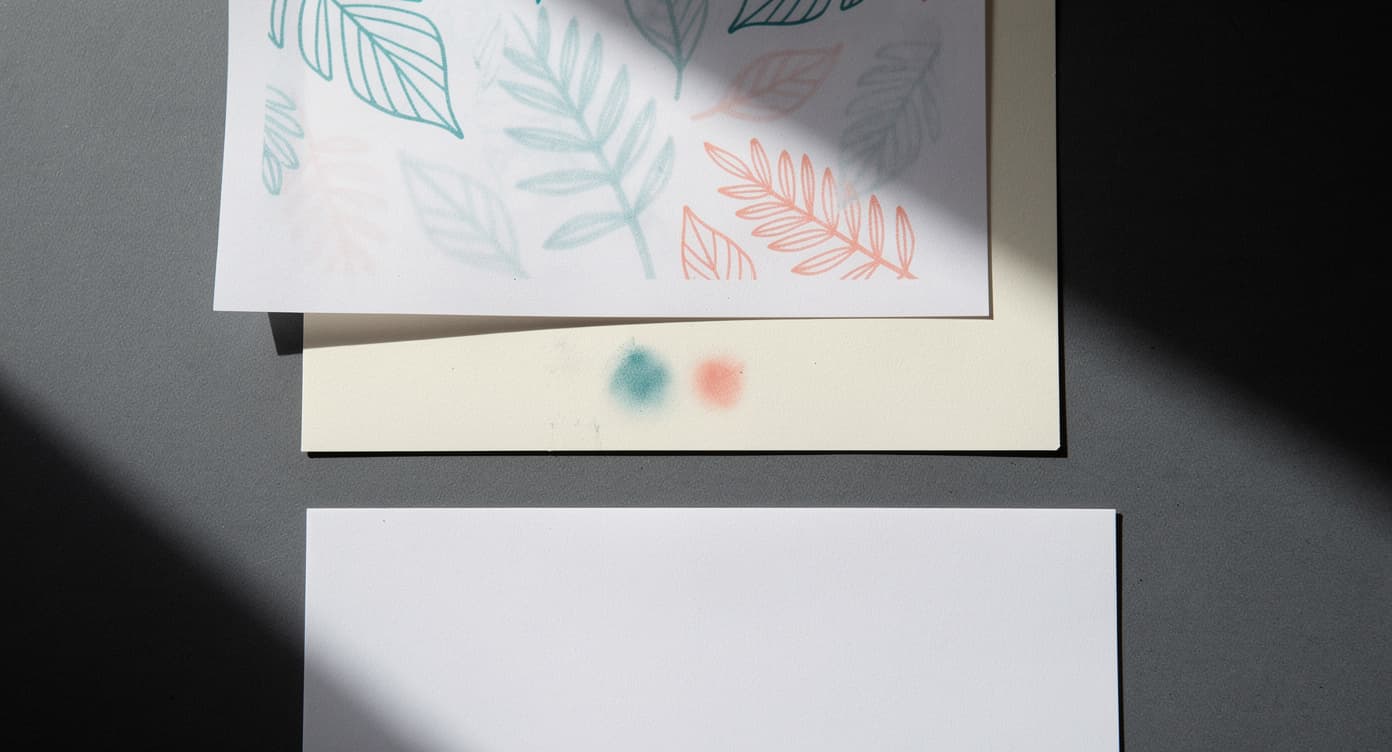
Direct answer
To stop markers bleeding through coloring books, test the marker first, place a protective sheet behind the page, avoid soaking one area, and switch to water-based markers, colored pencils, or printable cardstock when the book paper is thin.
Quick takeaways
- A backing sheet protects the next page, but it does not make thin paper bleed-proof.
- Water-based markers are usually safer than alcohol markers in bound coloring books.
- If a page matters, test the same marker and paper before coloring the final design.
Visual checks
Options to compare
Use these starting points to match the page, paper, and coloring style before you buy anything new.
| Option | Best for | What to know | Compare |
|---|---|---|---|
Marker backing sheet Page protection | Bound coloring books, double-sided pages, and marker tests | Use it behind every page when coloring with markers. | Compare on Amazon |
Water-based marker set Safer marker type | Thin coloring books, casual adult pages, and simple kids pages | Still test first because paper quality changes the result. | Compare on Amazon |
Smooth cardstock Printable page upgrade | Pages you can print again, frame, gift, or color heavily | Check printer limits before buying very thick cardstock. | Compare on Amazon |
Colored pencils Bleed-free alternative | Double-sided books, detailed pages, and paper that failed a marker test | Choose pencils when the back of the page must stay clean. | Compare on Amazon |
Sources and testing notes
This guide compares intended use, paper fit, and practical tradeoffs. It is selection guidance rather than a hands-on product test unless a section says otherwise. Check the merchant page for current materials, set contents, availability, and safety information before buying.
Do the one-minute bleed test first
Before coloring a page you care about, make three marks on a test area or spare copy: one quick line, one filled shape, and one second layer after the first mark dries.
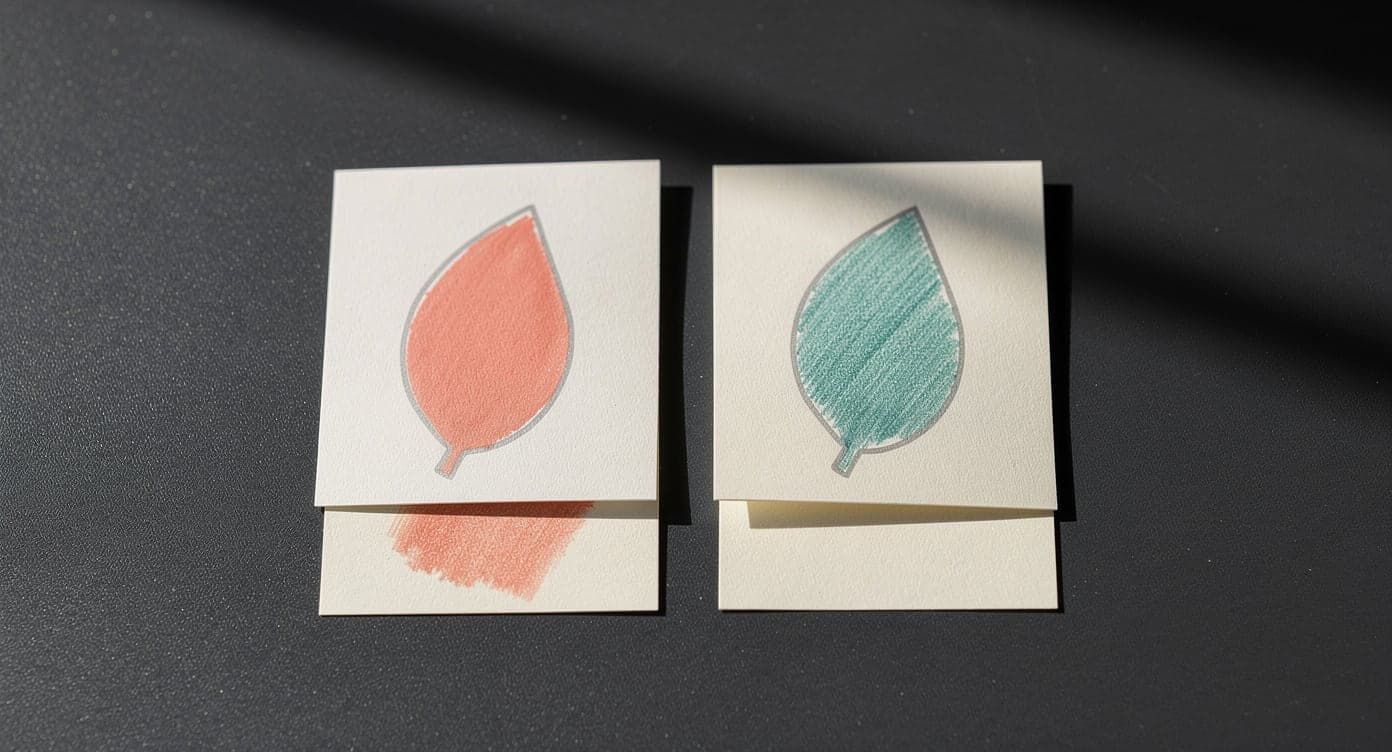
Turn the page over and check for shadowing, wet bleed-through, and transfer onto the sheet behind it. Light shadowing may be acceptable on single-sided pages, but wet transfer means the setup is not safe for that book.
Test dark colors and slow fills, not only pale quick lines. Deep blues, reds, blacks, and repeated strokes reveal paper problems faster than a small pastel mark.
Use a backing sheet correctly
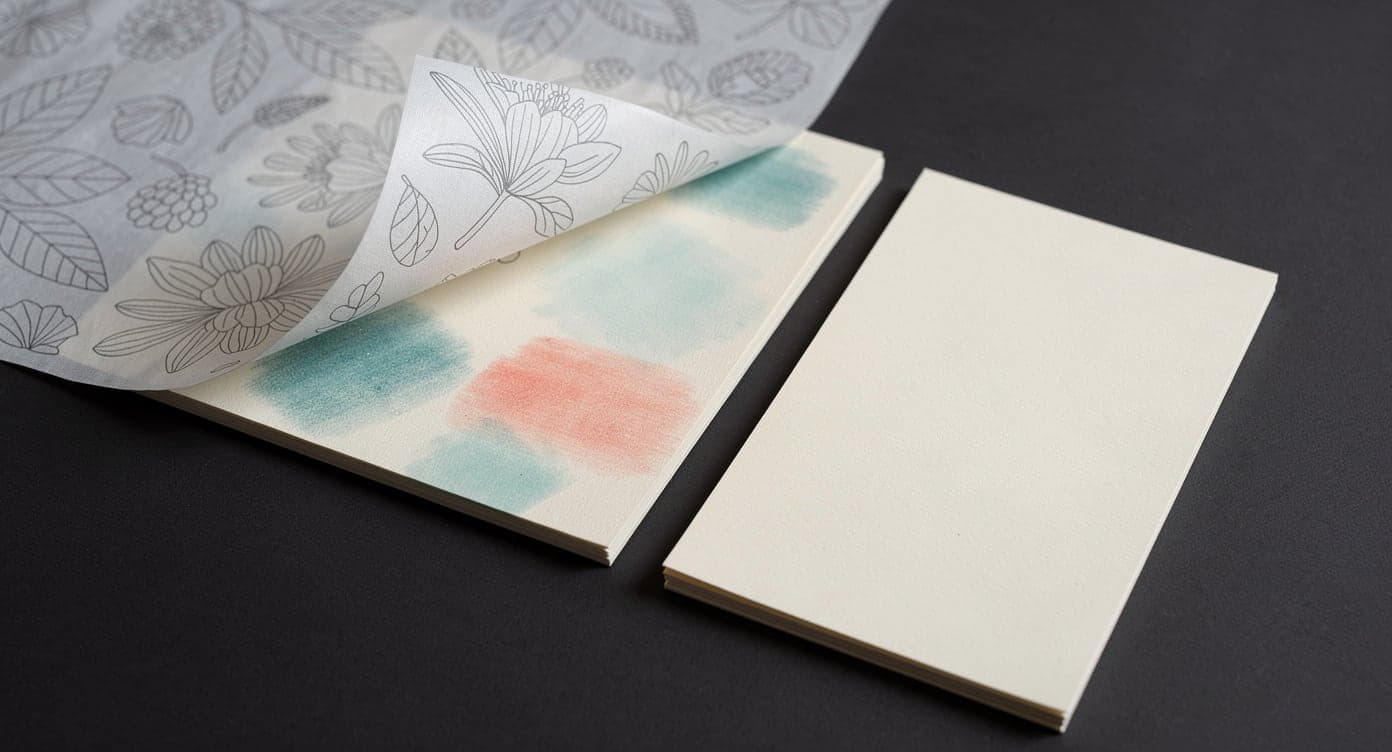
A backing sheet sits behind the page you are coloring. It catches ink that passes through and protects the next page, table, or book surface.
Use a smooth, clean sheet rather than newspaper or printed scrap paper. Ink and toner from scrap paper can rub onto the page when marker moisture is involved.
Replace the backing sheet when it starts to show wet marks. A saturated sheet can transfer color back onto the next page.
Change the marker or the paper
If the test fails, switch to a less aggressive tool. Colored pencils are the safest choice for double-sided books. Water-based markers are usually safer than alcohol markers on thin paper.
For printable pages, change the paper instead of fighting the marker. Heavyweight printer paper or smooth cardstock gives you more control than a bound book with fixed paper.
Alcohol markers need the most caution. They can look smooth and vibrant, but they commonly bleed through regular coloring book paper unless the page is single-sided and protected.
Avoid overworking the page
Marker bleed often gets worse when one area is colored slowly, layered repeatedly, or pressed hard. Let the ink dry before adding a second layer.
Use short strokes and leave tiny gaps near edges if the paper is thin. The ink can spread slightly after the stroke lands.
For large backgrounds, consider colored pencil shading, a lighter marker, or a printable copy on heavier paper. A finished page looks better when the paper is not warped or soaked.
When to stop using markers on that book
If every test mark transfers through, the book is better suited to colored pencils, crayons, gel pens used lightly, or a printable copy if the artwork is available separately.
If the page is double-sided and both designs matter, do not risk alcohol markers. The backing sheet protects the next page from wet transfer, but it cannot remove shadowing from the back of the page you colored.
Keep a small note in the book or folder with the markers that passed the test. That makes the next coloring session faster and avoids repeating the same mistake.
Printable resource
Marker bleed-through test sheet
Use this printable swatch sheet before coloring a full page with markers.
Coloring paper weight cheat sheet
Compare paper types before printing adult pages, kids pages, or marker-heavy designs.
Coloring page printer settings checklist
Choose scale, margin, grayscale, quality, paper type, and test print settings before batching pages.
FAQ
What can I put behind a coloring page so markers do not bleed through?
Use a clean marker backing sheet, bleed-proof sheet, cardstock sheet, or spare smooth paper behind the page. Replace it when it becomes wet or stained.
Do washable markers bleed through coloring books?
Washable markers can still bleed or wrinkle thin paper, but they are usually safer than alcohol markers. Test the page first and use a backing sheet.
Can a backing sheet stop marker bleed-through completely?
A backing sheet protects the next page or table, but it does not make the colored page itself bleed-proof. Thin paper can still show shadowing on the back.
What should I use if markers keep bleeding through?
Use colored pencils for the bound book, or print the page on heavier paper or smooth cardstock if the design is available as a printable.