
Best Watercolor Pencils for Coloring Books
Choose watercolor pencils for coloring books by dry use, damp brush control, paper thickness, printable paper, water brushes, and page protection.
 Written byM.R. SilvermanUpdated July 7, 2026 7 min read
Direct answer
The best watercolor pencils for coloring books are pencils that work well dry first and activate with very little water only after the paper is tested. Use them dry on ordinary bound coloring books, add a barely damp brush on single-sided or heavier paper, and save wetter blending for printable pages on mixed media or watercolor-friendly paper.
Quick takeaways
- Watercolor pencils can be used dry like colored pencils, then softened with a small amount of water when the paper can handle it.
- Ordinary coloring book paper can wrinkle, pill, shadow, or buckle if it gets too wet.
- A water brush is convenient, but a small round brush gives more control for readers who tend to use too much water.
- Printable pages on heavyweight or mixed media paper are safer for wet activation than thin double-sided books.
Visual checks
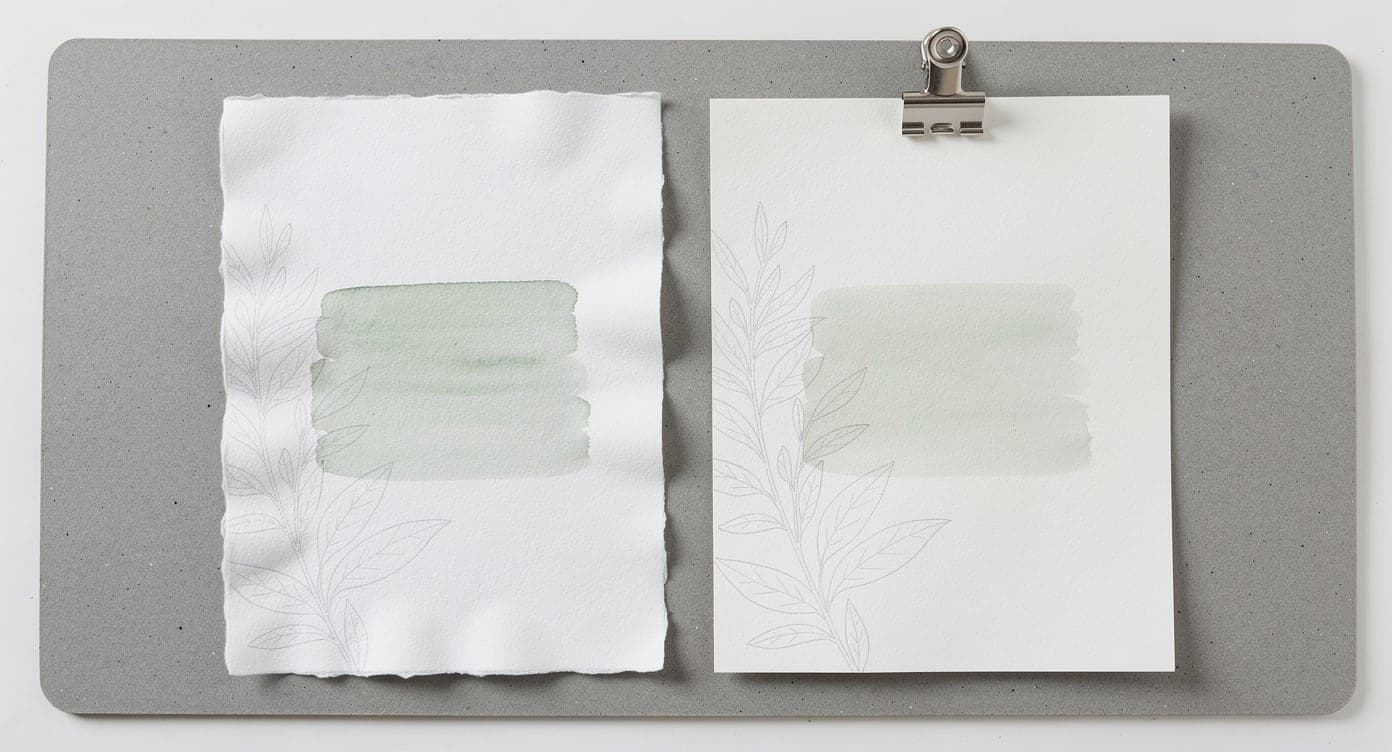
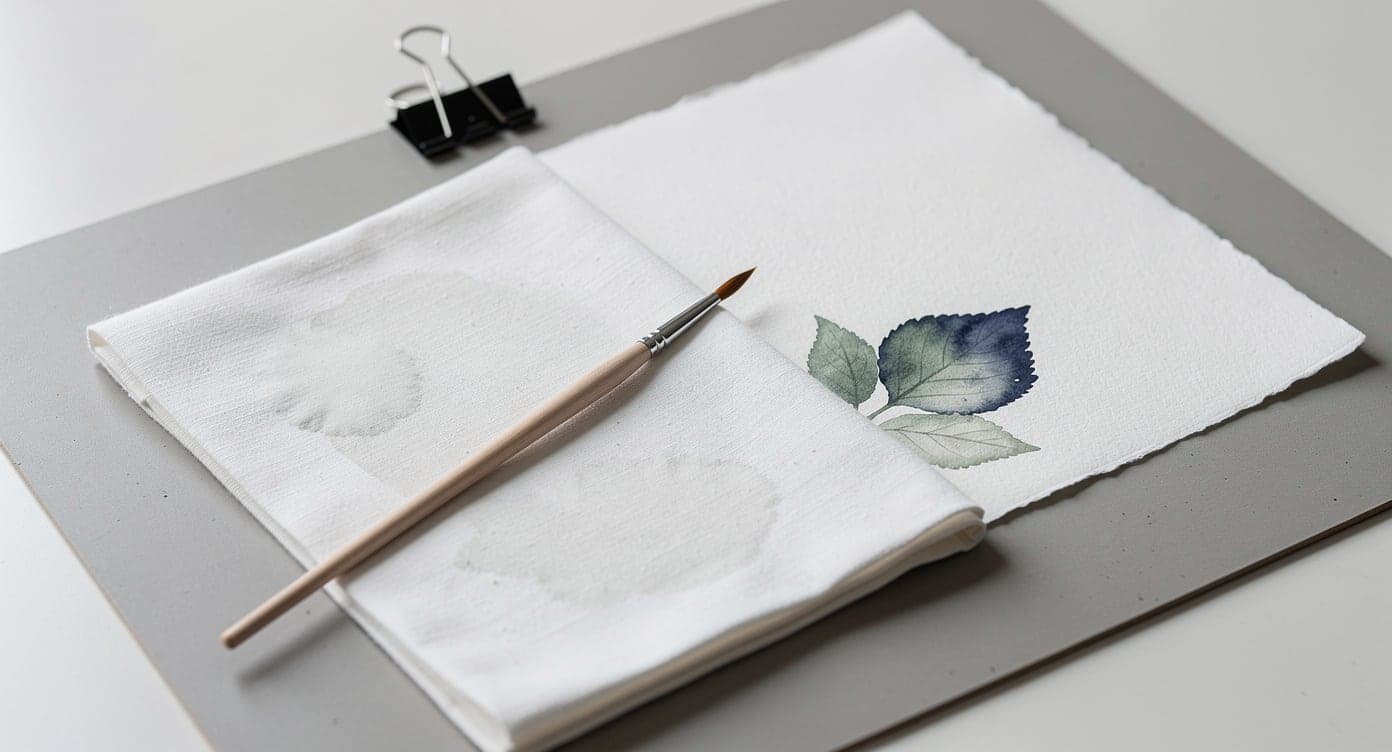
Options to compare
Use these starting points to match the page, paper, and coloring style before you buy anything new.
| Option | Best for | What to know | Compare |
|---|---|---|---|
Watercolor pencil starter set Best first watercolor pencil option | Dry coloring, light activation, soft backgrounds, and small accent areas | Choose a manageable color count before upgrading to a large artist set. | Compare on Amazon |
Artist watercolor pencil set Upgrade set | Readers who already enjoy watercolor pencils and want smoother pigment | Upgrade only after you know which papers and page styles you use most. | Compare on Amazon |
Small round brush Best water-control tool | Activating small areas without flooding the page | A small brush often gives better control than a large water brush on coloring book paper. | Compare on Amazon |
Water brush pen Portable activation tool | Travel kits, small accents, and quick printable pages | Use a light touch and blot often because water brushes can release more water than expected. | Compare on Amazon |
Mixed media paper Printable page upgrade | Printable coloring pages with damp blending and finished-page projects | Check printer compatibility and test one sheet before printing a full pack. | Compare on Amazon |
Watercolor paper pad Wet blending practice surface | Swatches, practice blends, hand-drawn pages, and heavier water use | Use a separate pad for wet practice rather than testing heavy water in a favorite book. | Compare on Amazon |
Clipboard or backing board Page support | Single sheets, printables, and pages that need to stay flat while drying | A flat backing board keeps the page steadier while you activate small areas. | Compare on Amazon |
Paper towel or blotting cloth Water control helper | Removing excess water from the brush before it touches the page | Blot the brush first; the page should receive color, not a puddle. | Compare on Amazon |
Sources and testing notes
This guide compares intended use, paper fit, and practical tradeoffs. It is selection guidance rather than a hands-on product test unless a section says otherwise. Check the merchant page for current materials, set contents, availability, and safety information before buying.
Start dry, then test water
Watercolor pencils are useful because they can behave like colored pencils first. You can shade dry, build a light layer, and stop there if the coloring book paper is thin.
Add water only after a paper test. A tiny damp brush can soften pencil marks, but too much water can wrinkle the page, lift fibers, or mark the next sheet.
If the book is double-sided, treat wet activation as risky. Dry watercolor pencil use is usually safer unless the publisher clearly uses thick single-sided paper.
Choose the pencil by the page
For detailed adult coloring books, look for watercolor pencils that feel smooth when used dry. Most of the page may still be colored without water.
For printable pages, choose the paper first. Heavyweight printer paper can handle small damp accents, while mixed media paper or watercolor paper is better for broader wet blends.
For kids or shared tables, watercolor pencils need more supervision than crayons or washable markers because water, brushes, and drying space become part of the setup.
Water brush vs small brush
A water brush is convenient because the handle holds water, but it can release more moisture than a thin coloring page can handle. Blot it before touching the artwork.
A small round brush and a separate water cup can be slower, but it gives more control. This is often better for readers learning how little water a page needs.
Whichever tool you use, activate a small area first. If the page starts to pill, curl, or look gray through the back, stop and use the pencils dry on that paper.
Best watercolor pencil setup by paper risk
For thin bound books, use watercolor pencils dry or with almost no water. Keep a backing sheet behind the page and let any damp area dry before closing the book.
For single-sided coloring books, test one corner with a damp brush. If the paper stays smooth, use light activation in small areas rather than soaking backgrounds.
For printable pages, print one test page on heavier paper. Mixed media paper is a safer choice when you want soft washes, blended petals, skies, or water-like backgrounds.
Buying mistakes to avoid
Do not assume watercolor pencils make ordinary coloring book paper behave like watercolor paper. The pencil is only half of the setup; paper decides how much water is safe.
Do not buy a large set before you know whether you prefer dry coloring, light activation, or wet blending. A smaller set plus better paper may be more useful.
Do not activate every section at once. Work in small areas, blot the brush, and let the page dry flat before adding more layers.
Do not compare products using retailer screenshots, product photos, prices, star ratings, or review snippets. Use your own swatches and paper tests for article visuals.
Printable resource
Coloring paper weight cheat sheet
Compare paper types before printing adult pages, kids pages, or marker-heavy designs.
Coloring page printer settings checklist
Choose scale, margin, grayscale, quality, paper type, and test print settings before batching pages.
Beginner color palette cards
Print small palette cards for mandalas, flower pages, cozy scenes, kids tables, and seasonal printables.
Adult coloring setup checklist
Build a small adult coloring kit with pages, paper, pencils, lighting, storage, and an easy reset routine.
FAQ
Can you use watercolor pencils in coloring books?
Yes, but use them dry first and test the paper before adding water. Thin or double-sided coloring book paper can wrinkle, pill, or show through when it gets wet.
Are watercolor pencils good for adult coloring books?
Watercolor pencils can be good for adult coloring books when used dry or with very light water activation. They are best on single-sided pages, heavier paper, or printable pages.
Do watercolor pencils bleed through coloring book paper?
The pencil pigment itself may not bleed like a marker, but water can make thin paper buckle, shadow, or transfer moisture. Use a backing sheet and test first.
What paper is best for watercolor pencils and coloring pages?
Mixed media paper or watercolor-friendly paper is best for wet activation. Heavyweight printer paper can work for light damp accents if the printer can handle it.
Should I use a water brush with watercolor pencils?
A water brush is convenient for small areas, but it can release too much water. Blot it first or use a small round brush when paper risk is high.
Can beginners use watercolor pencils?
Yes. Beginners should use them dry at first, then try a barely damp brush on a test sheet before using water in a favorite coloring book.
Are watercolor pencils better than colored pencils?
Watercolor pencils are more flexible because they can be used dry or lightly activated. Traditional colored pencils are safer for thin paper and easier when you do not want water setup.
How do I keep coloring book pages from warping with watercolor pencils?
Use very little water, blot the brush, support the page with a backing board, work in small areas, and let the page dry flat before closing or stacking it.