
Notebook organization template
Coloring Page Notebook Label Template
Finished coloring page scraps can become readable notebook labels when the color is used as a border, corner, or spine accent. Keep the name or subject area plain, and choose adhesive that will not wrinkle the label.
Coloring Notebook
Notebook Label Template
Keep the colored section decorative and the writing area plain so names, subjects, and spine labels stay readable.
3 x 2 inches
Name labels, classroom journals, take-home folders, and composition notebooksLarge enough for a first name, subject, or short classroom label.
4 x 2 inches
Subject labels, binder fronts, reading journals, and art notebooksA good size when the label needs both color and readable text.
1 x 4 inches
Spine labels, portfolio folders, storage boxes, and binder edgesUse a strong color strip with a plain text area beside or over it.
2 x 1 inches
Planner labels, tabs, small notebooks, and pocket journalsBest for short words such as math, reading, ideas, or July.
Full-sheet label panel
Label batches, classroom sets, and printable label sheetsPlan several labels on one sheet before cutting so scraps are easier to reuse.
Direct answer
To make notebook labels from coloring pages, cut a small colored section, add a plain writing panel, back thin paper with cardstock or label paper, and attach it with adhesive sheets, a tape runner, glue dots, or a light glue stick layer.
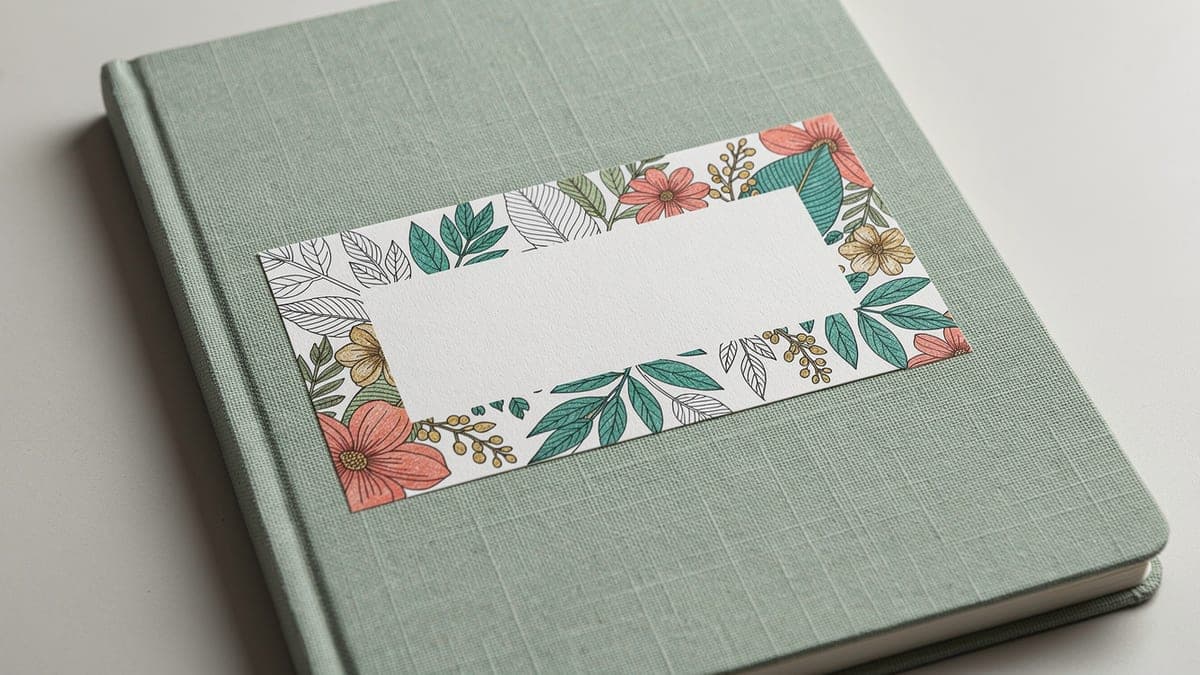
Notebook label template options
Use coloring page pieces for color and personality, not for the whole writing area. Labels work best when the text is still easy to read at a glance.
| Label | Best for | Steps |
|---|---|---|
| Name label | School notebooks, journals, take-home folders, and classroom sets | Cut a colored border piece, back it with cardstock, and add a plain name panel on top. |
| Subject label | Homeschool notebooks, composition books, binders, and study folders | Use one color family per subject and keep the subject text large enough to read quickly. |
| Spine label | Binders, portfolio folders, storage boxes, and standing notebook stacks | Cut a narrow strip from a finished page, mount it on plain paper, and write the title vertically or horizontally. |
| Planner label | Monthly tabs, dashboard cards, reading journals, and habit trackers | Use small scraps as label corners or headers without covering the writing area. |
| Removable label | Rotating classroom bins, reusable folders, borrowed notebooks, and seasonal storage | Mount the colored piece on removable label paper or a clear sleeve instead of gluing it permanently. |
| Classroom set label | Student journals, group notebooks, library activity folders, and back-to-school prep | Choose one template size, pre-cut labels, and leave one plain area for names or table numbers. |
Label size notes
| Size | Best for | Note |
|---|---|---|
| 3 x 2 inches | Name labels, classroom journals, take-home folders, and composition notebooks | Large enough for a first name, subject, or short classroom label. |
| 4 x 2 inches | Subject labels, binder fronts, reading journals, and art notebooks | A good size when the label needs both color and readable text. |
| 1 x 4 inches | Spine labels, portfolio folders, storage boxes, and binder edges | Use a strong color strip with a plain text area beside or over it. |
| 2 x 1 inches | Planner labels, tabs, small notebooks, and pocket journals | Best for short words such as math, reading, ideas, or July. |
| Full-sheet label panel | Label batches, classroom sets, and printable label sheets | Plan several labels on one sheet before cutting so scraps are easier to reuse. |
Notebook label checklist
Choose label pieces
- Use small finished coloring page details for borders and corners
- Keep busy patterns away from the text area
- Choose one color family for each subject or notebook type
- Photograph sentimental finished pages before cutting
- Save offcuts for tabs, bookmarks, gift tags, or collage corners
Make text readable
- Add a plain cardstock or label-paper panel for names and subjects
- Use high contrast between the writing area and the colored scrap
- Keep labels large enough to read from a backpack, shelf, or desk
- Write the name after glue is dry
- Use the same label size across a classroom set
Attach cleanly
- Dry-fit the label before attaching it to the notebook
- Use adhesive sheets or label paper for the flattest finish
- Use tape runner or glue dots when the label should not wrinkle
- Use glue sticks for classroom projects and low-mess group work
- Press labels flat before stacking notebooks
School and planner use
- Use removable labels for supplies that change owners or subjects
- Keep spine labels narrow so notebooks still slide into shelves
- Add dates to seasonal or unit notebooks
- Use color-coding only when it helps organization
- Check personal-use terms before making labels for sale or distribution
Rights-safe label note
Notebook labels made from finished coloring pages are safest for personal notebooks, classroom sets, homeschool folders, and private planner organization. Do not sell label sets or repost full coloring page artwork unless the page terms clearly allow that use.
Review the rights checklistHelpful notebook label supplies
Start with scraps, cardstock, and a plain writing panel. Add label sheets or adhesive sheets when you want peel-and-stick labels or classroom batches.
| Supply | Best for | What to know | Compare |
|---|---|---|---|
| Printable label sheets | Name labels, subject labels, planner labels, and classroom batches | Use label sheets when you want a clean peel-and-stick finish. | Compare on Amazon |
| Adhesive sheets | Turning finished coloring page scraps into sticker-style notebook labels | Adhesive sheets work well when scraps are already colored and trimmed. | Compare on Amazon |
| Cardstock | Backing thin coloring pages, name panels, and sturdy classroom labels | Cardstock keeps labels from curling and makes handwritten text easier to read. | Compare on Amazon |
| Tape runner or glue dots | Flat labels, spine strips, and labels that should not wrinkle | Dry adhesive is cleaner than wet glue for thin notebook label pieces. | Compare on Amazon |
| Paper trimmer | Straight label edges, classroom sets, and repeated label sizes | A trimmer saves time when every notebook needs the same label size. | Compare on Amazon |
| Corner rounder | Handled labels, planner labels, and polished notebook covers | Rounded label corners catch less when notebooks slide in and out of bags. | Compare on Amazon |
| Clear ruler | Centering labels, measuring spine strips, and keeping borders even | A clear ruler helps line up the colored area and the blank writing panel. | Compare on Amazon |
| Blank notebooks | Back-to-school label projects, journals, reading logs, and homeschool subjects | Choose the notebook first so the label size fits the actual cover or spine. | Compare on Amazon |
Useful contexts
Back-to-school craft pages, homeschool organization posts, teacher setup guides, planner communities, and classroom notebook resources can link to this as a simple way to reuse finished coloring pages for labels.
Natural anchors include coloring page notebook label template, notebook labels from coloring page scraps, coloring page subject labels, and handmade planner labels from coloring pages.
FAQ
How do I make notebook labels from coloring pages?
Cut a useful section from a finished coloring page, back it with cardstock or label paper, add a plain writing area, then attach it to the notebook with dry adhesive or a light glue layer.
What size should notebook labels be?
A practical notebook label is usually 3 x 2 inches for names, 4 x 2 inches for subjects, 1 x 4 inches for spines, or 2 x 1 inches for planner tabs and small notebooks.
Can I use coloring page scraps for labels?
Yes. Small scraps work well as borders, corners, subject colors, planner tabs, and spine accents as long as the writing area stays readable.
What adhesive works best for notebook labels?
Printable label sheets or adhesive sheets are cleanest. Tape runners and glue dots help labels stay flat. Glue sticks are fine for classroom projects when used lightly.
How do I make classroom notebook labels readable?
Use one label size, add a plain name panel, keep the colored section as a border or corner, and write names after glue is dry.
Can I sell notebook labels made from coloring pages?
Do not assume selling is allowed. Check the coloring book or printable license first, because many coloring pages are personal-use only.