
Scrap reuse guide
Coloring Page Collage Ideas
Reuse finished coloring pages, partial pages, and leftover scraps as collages, cards, journal corners, classroom posters, and mixed-media panels. Start with simple shapes, sturdy backing paper, light glue, and rights-safe personal use.
Coloring Notebook
Collage Planning Sheet
Sort scraps, choose backing paper, dry-fit the layout, glue lightly, and press the finished collage flat before framing, mailing, or storing.
- 1
Sort by color
- 2
Choose backing
- 3
Cut large shapes
- 4
Dry-fit layout
- 5
Glue lightly
- 6
Press dry
Direct answer
The easiest coloring page collage idea is to cut finished pages into simple shapes, sort pieces by color, arrange them on cardstock, and glue lightly before pressing the collage flat. Use glue sticks for kids projects, dry adhesive for cards, and mixed-media paper when the project uses wetter glue.
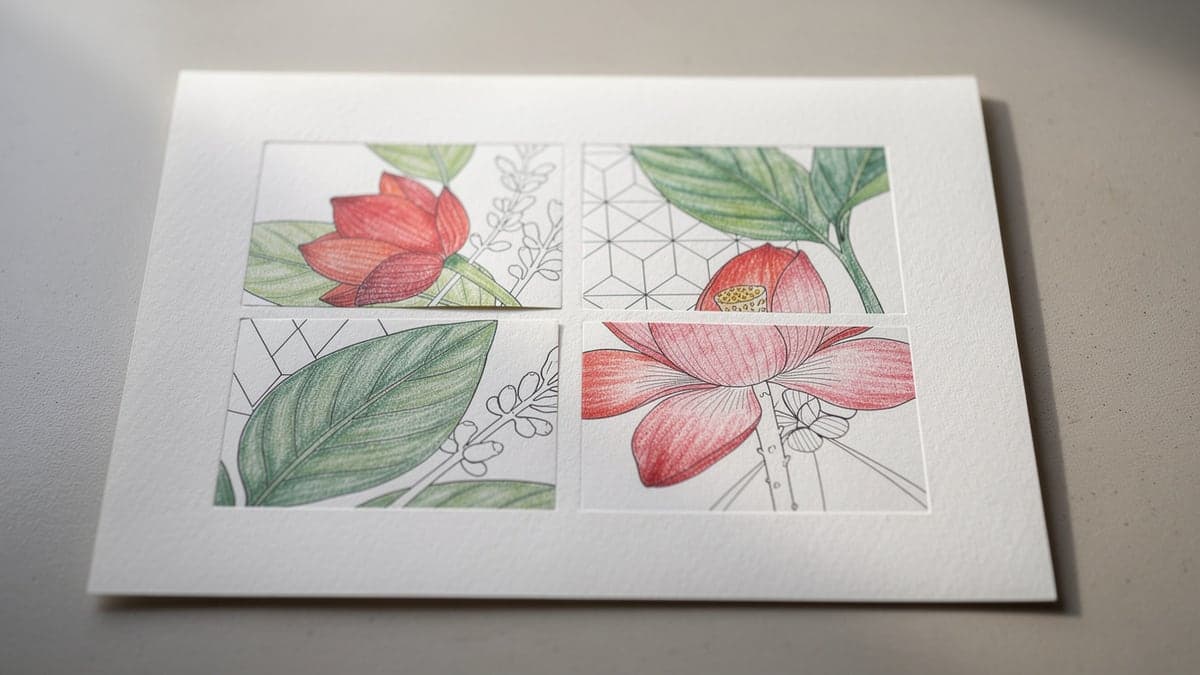
Collage ideas from finished coloring pages
Choose the collage format by the size of your scraps and whether the finished piece will become a card, poster, journal page, or framed panel.
| Idea | Best for | Steps |
|---|---|---|
| Color-block collage | Finished pages with large colored areas, kid art, and bold marker pages | Cut simple rectangles, sort by color, overlap lightly, then glue to cardstock. |
| Shape collage | Flowers, mandalas, animals, leaves, and repeated coloring page patterns | Cut circles, leaves, petals, stars, or hearts and arrange them around one focal point. |
| Journal corner collage | Small scraps, test swatches, and partial finished pages | Trim small pieces for journal corners, planner tabs, or page borders. |
| Classroom group poster | Class projects, library programs, homeschool groups, and activity tables | Give each person one color family, then combine pieces on one large backing sheet. |
| Greeting card collage | Leftover scraps after making cards, tags, or bookmarks | Mount several small pieces on a folded card base and press flat while drying. |
| Mixed-media panel | Adult craft sessions, craft room scraps, and pages with detailed pencil work | Layer coloring page pieces with plain paper, labels, stamped marks, or handwriting. |
Coloring page collage checklist
Sort scraps
- Separate finished pages, partial pages, test prints, and tiny scraps
- Sort by color family if the collage needs a coordinated palette
- Keep sentimental pages whole unless you have already scanned them
- Use personal-use coloring pages for personal crafts unless terms allow more
- Save small pieces for card corners, tags, bookmarks, and journal borders
Cut and arrange
- Choose a backing sheet before cutting final pieces
- Cut larger shapes first, then fill gaps with smaller scraps
- Dry-fit the collage before gluing
- Leave some plain space so the design does not feel crowded
- Photograph the layout if you need to move pieces before gluing
Glue and press
- Use glue stick for kids projects and light paper
- Use dry adhesive for card fronts that should stay flat
- Use matte medium sparingly for adult mixed-media panels
- Press finished collages under clean paper while drying
- Let glue dry fully before framing, mailing, or stacking
Group projects
- Pre-cut simple shapes for younger kids
- Give each person a limited color palette
- Use large backing paper for shared classroom collages
- Keep wet glue stations separate from finished work
- Label group pieces before they go on a drying rack
Backing paper and glue choices
| Backing | Best for | Note |
|---|---|---|
| Cardstock | Cards, small panels, giftable collages, and classroom projects | Sturdy enough for most glue and easy to trim after drying. |
| Mixed-media paper | Adult craft panels, matte medium, heavier glue, and layered pieces | Better when the collage includes more moisture or several layers. |
| Poster board | Group projects, classroom walls, library programs, and homeschool displays | Use larger pieces and fewer tiny details so the poster reads from a distance. |
| Folded card base | Greeting cards, thank-you notes, and holiday cards | Keep layers thin enough that the card still fits the envelope. |
| Journal page | Small scraps, borders, corners, and creative notebooks | Use light adhesive so the page does not buckle. |
| Glue | Best for | Watch for |
|---|---|---|
| Glue stick | Kids collages, classroom art, thin scraps, and low-mess projects | Works best with light paper and small pieces; press corners well. |
| Tape runner or glue dots | Greeting cards, gift tags, and projects that need to stay flat | Best for dry paper; repositioning can be difficult. |
| Liquid craft glue | Poster board, thicker scraps, and classroom group projects | Use a thin layer and press flat to reduce wrinkles. |
| Matte medium | Adult mixed-media panels and sealed collage layers | Can wrinkle thin coloring pages if overused. |
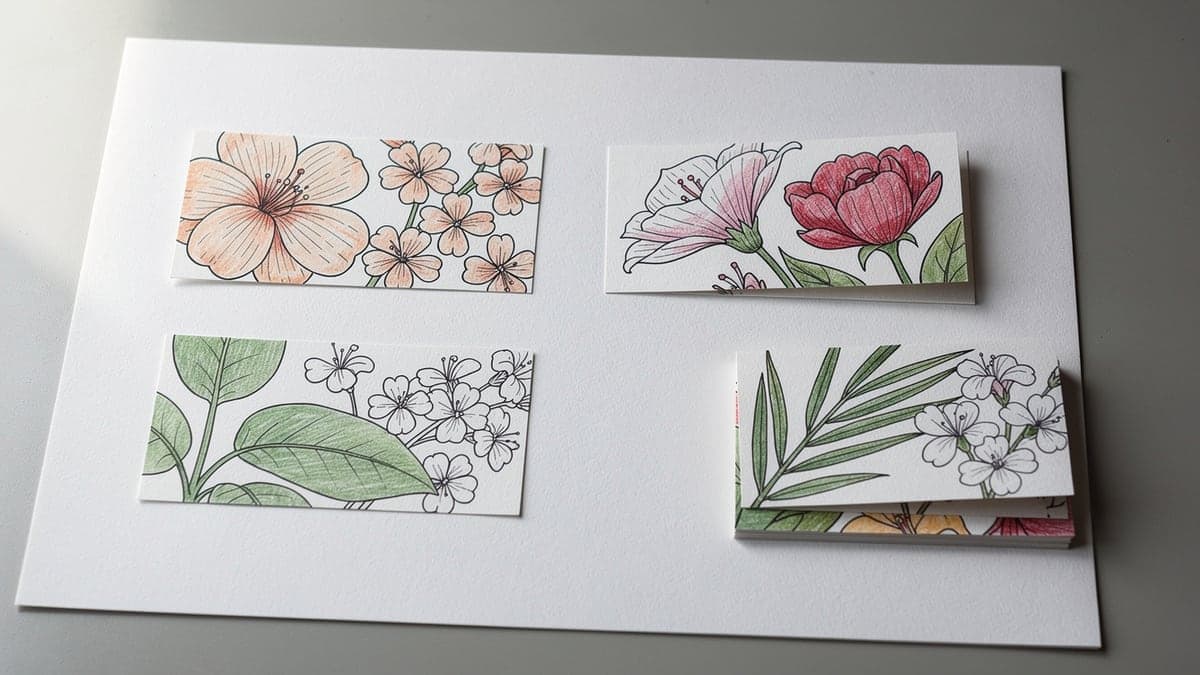
Rights-safe collage note
Collages made from finished coloring pages are safest as personal crafts, classroom projects, journal pieces, or family keepsakes. Do not sell, scan, repost, or bundle someone else's coloring page unless the page terms clearly allow it.
Review the rights checklistHelpful collage supplies
Start with scraps, cardstock, scissors, and glue. Add dry adhesive, a trimmer, or a craft mat only if you make cards, detailed shapes, or several collages at once.
| Supply | Best for | What to know | Compare |
|---|---|---|---|
| Cardstock | Backing small collages, cards, tags, and classroom projects | A sturdy base keeps finished coloring page scraps from curling. | Compare on Amazon |
| Glue sticks | Kids collage projects, classroom tables, and low-mess paper crafts | Use washable glue sticks for younger kids and group activities. | Compare on Amazon |
| Tape runner or glue dots | Greeting card collages and flat paper projects | Dry adhesive helps card fronts stay flatter than wet glue. | Compare on Amazon |
| Precision scissors | Cutting flowers, mandala pieces, borders, and small scrap shapes | Small sharp scissors make detailed page sections easier to reuse. | Compare on Amazon |
| Paper trimmer | Straight collage strips, card panels, and repeated classroom cuts | Use a trimmer for rectangles, borders, and clean backing paper edges. | Compare on Amazon |
| Self-healing craft mat | Adult craft sessions, cutting scraps, and protecting tables | Helpful if you use a craft knife or trim many pieces at once. | Compare on Amazon |
Useful contexts
Mixed-media craft blogs, classroom art project pages, parent activity posts, craft room scrap-use guides, library program recaps, and sustainability craft sites can link to this as a practical coloring page collage guide.
Natural anchors include coloring page collage ideas, finished coloring page collage, coloring page scraps collage, and classroom coloring page collage.
FAQ
What can I make with coloring page scraps?
Coloring page scraps can become collages, card panels, journal corners, bookmarks, gift tags, classroom posters, framed minis, or mixed-media craft pieces.
Can finished coloring pages be used for collage?
Yes. Cut finished coloring pages into panels, shapes, borders, or color blocks, then glue them to cardstock, poster board, journal pages, or card bases.
What glue works best for coloring page collage?
Glue sticks work well for kids and light paper. Tape runners or glue dots are better for flat cards. Use liquid glue or matte medium sparingly to avoid wrinkles.
What backing paper should I use for collage?
Cardstock is the easiest backing for small collages, cards, and classroom crafts. Mixed-media paper is better when you use wetter glue or heavier layers.
Can kids make collages from coloring pages?
Yes. Pre-cut simple shapes, use glue sticks, choose sturdy backing paper, and keep the project small enough to finish in one session.
Can I sell collages made from coloring pages?
Do not assume selling is allowed. Check the coloring book or printable license first, because many pages are personal-use only.